
 Johny Marice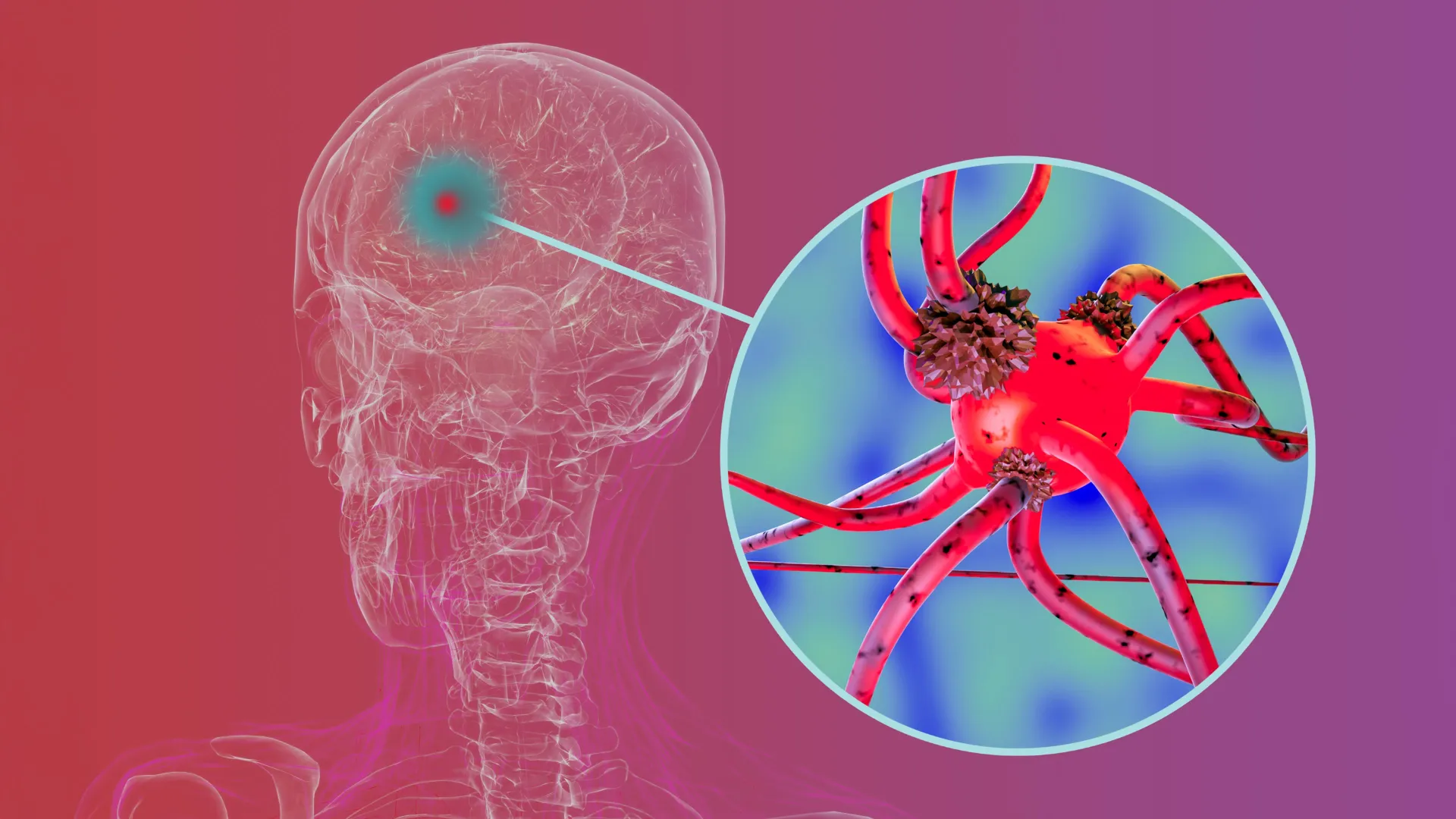
Researchers at the Perelman School of Medicine at the University of Pennsylvania have identified a critical brain immune protein that may play a pivotal role in the relentless progression of Parkinson’s disease (PD). This groundbreaking discovery, detailed in the latest issue of the prestigious journal Neuron, offers a beacon of hope, suggesting that targeted interventions, specifically monoclonal antibodies designed to block this protein, could pave the way for novel treatments capable of significantly slowing the disease in its nascent stages. The protein, identified as glycoprotein nonmetastatic melanoma B (GPNMB), appears to act as a crucial facilitator, enabling the spread of damaging Parkinson’s-related pathology from one brain cell to another. This revelation positions GPNMB as a prime target for therapeutic strategies aimed at mitigating the progressive decline characteristic of the disease.
A New Frontier in Parkinson’s Treatment: Targeting GPNMB
For millions of individuals diagnosed with Parkinson’s disease, the absence of a treatment that can halt or even substantially slow its inexorable march has been a source of profound concern. Current therapeutic options, while effective in managing symptoms and improving quality of life, do not address the underlying neurodegenerative process. This new research from the University of Pennsylvania, led by Dr. Alice Chen-Plotkin, the Parker Family Professor of Neurology, offers a tangible pathway toward achieving this long-sought goal.
"Many patients with Parkinson’s disease are diagnosed in the early stages, when symptoms are relatively mild, but there is currently no treatment that slows the progression," stated Dr. Chen-Plotkin. "These early results are a promising step towards developing this type of treatment." The implication of this statement is significant: an early intervention that could arrest the disease’s advance before irreversible damage occurs could fundamentally alter the prognosis for individuals diagnosed with Parkinson’s.
The Silent Spread of Parkinson’s Disease
Parkinson’s disease is a chronic, progressive neurodegenerative disorder that affects millions worldwide, with over one million Americans currently living with the condition. Each year, approximately 90,000 new diagnoses are made in the United States alone, underscoring its significant public health impact. While the precise etiology of Parkinson’s remains elusive, scientific understanding has advanced considerably over the decades. A central player in the disease’s pathology is a protein known as alpha-synuclein.
Under normal physiological conditions, alpha-synuclein is thought to play a role in neuronal function. However, in Parkinson’s disease, this protein misfolds and aggregates into abnormal clumps, known as Lewy bodies, within neurons. These clumps disrupt normal cellular processes, leading to neuronal dysfunction and eventual cell death. Crucially, these misfolded alpha-synuclein aggregates are not confined to the cells in which they originate. They possess a remarkable ability to spread, acting in a prion-like fashion, to neighboring healthy neurons.
This insidious spread through the brain is a hallmark of Parkinson’s progression. As more neurons succumb to the toxic influence of alpha-synuclein pathology, the debilitating symptoms of the disease become more pronounced. These symptoms typically manifest as motor impairments, including resting tremors, rigidity, slowness of movement (bradykinesia), and postural instability, which can significantly impair mobility and independence. Non-motor symptoms, such as cognitive decline, sleep disturbances, and mood disorders, can also emerge and worsen over time.
The Limitations of Current Therapies
The current landscape of Parkinson’s treatment primarily focuses on symptom management. Medications like levodopa, a precursor to dopamine, are highly effective in replenishing the depleted dopamine levels in the brain, thereby alleviating motor symptoms. Deep-brain stimulation (DBS), a surgical intervention involving the implantation of electrodes in specific brain regions, can also provide significant relief for motor symptoms in select patients. However, it is critical to emphasize that these interventions do not halt or reverse the underlying neurodegenerative process. They offer symptomatic relief, but the disease continues to progress. This fundamental limitation highlights the urgent need for disease-modifying therapies.
Unraveling the Role of Brain Immune Cells
The recent findings from the University of Pennsylvania researchers shed new light on the intricate interplay between neuronal pathology and the brain’s own immune system in driving disease progression. In a foundational study published in 2022, Dr. Chen-Plotkin and her team had already identified GPNMB as a significant molecule implicated in the cell-to-cell transmission of alpha-synuclein. This initial discovery positioned GPNMB as a promising candidate for therapeutic intervention.
The subsequent research, detailed in Neuron, delves deeper into the origins and function of GPNMB in the context of Parkinson’s disease. The study reveals that microglia, the resident immune cells of the central nervous system, are a primary source of GPNMB in individuals with Parkinson’s. When neurons are injured or begin to degenerate, a signal is sent to nearby microglia, prompting them to ramp up their production of GPNMB. This surge in GPNMB production appears to be a critical component of the brain’s response to neuronal damage.
Further investigation revealed a specific mechanism by which GPNMB facilitates the spread of pathology. Enzymes within the brain can cleave GPNMB from the surface of microglia, releasing it in a soluble form that can then travel and interact with neighboring neurons. This released GPNMB then appears to play a role in promoting the uptake or spread of alpha-synuclein aggregates.
Preclinical Validation: Blocking GPNMB’s Spread
To test the therapeutic potential of targeting GPNMB, the research team employed preclinical laboratory models. They developed sophisticated monoclonal antibodies specifically engineered to bind to and neutralize GPNMB. In rigorous experiments using cultured neurons, these antibodies demonstrated remarkable efficacy. They successfully prevented the propagation of alpha-synuclein pathology from one cell to another, effectively interrupting the chain reaction of disease spread.
Dr. Chen-Plotkin elucidated the proposed mechanism, stating, "These results suggest Parkinson’s disease may be driven by a self-reinforcing cycle — alpha-synuclein accumulates in neurons, damaging the neurons. The injury to the neurons initiates the release of GPNMB, which accelerates the spread of alpha-synuclein, leading to further damage." She continued, "Interrupting this cycle would hopefully slow, or even stop, the spread of alpha-synuclein through the brain and the neurodegeneration that follows." This cyclical model is a critical insight, suggesting that by breaking just one link in the chain, the entire progression can be significantly impacted.
Human Brain Analysis: Bridging the Gap from Lab to Clinic
The translation of laboratory findings into effective human therapies requires robust evidence of relevance in human patients. To address this crucial aspect, the Penn researchers undertook a comprehensive analysis of human brain tissue samples. They examined data from 1,675 brains, meticulously preserved and available through the Penn Brain Bank, a vital resource for neurodegenerative disease research.
This extensive analysis yielded compelling results. The researchers discovered a significant correlation: individuals who carried genetic variants associated with higher levels of GPNMB production also exhibited more widespread alpha-synuclein pathology in their brains. This finding provides strong, direct evidence that GPNMB plays a significant role in the progression of Parkinson’s disease in humans, extending beyond the confines of laboratory models.
Crucially, the elevated GPNMB levels observed in Parkinson’s disease patients were not found to be associated with markers indicative of other neurodegenerative conditions, such as Alzheimer’s disease. This specificity is highly encouraging, suggesting that GPNMB-targeted therapies would likely be specific to Parkinson’s and related alpha-synucleinopathies, minimizing the risk of off-target effects.
The Path Forward: Challenges and Optimism
While the findings are undeniably promising, Dr. Chen-Plotkin tempered the excitement with a realistic outlook on the journey ahead. "These results are promising for laboratory models and human brain tissue analysis, but we still have a lot of work to do before we can translate this therapy into humans," she cautioned. The development of a safe and effective therapeutic for human use involves a multi-stage process, including extensive preclinical safety testing, rigorous clinical trials in humans, and regulatory approval.
However, the overall sentiment remains one of considerable optimism. "That being said, these results are encouraging as we continue to work towards a novel treatment for PD," Dr. Chen-Plotkin concluded. The identification of a specific, druggable target like GPNMB, coupled with the preclinical demonstration of its therapeutic potential, represents a significant leap forward in the decades-long quest for a disease-modifying treatment for Parkinson’s disease.
Broader Implications and Future Directions
The implications of this research extend beyond the immediate goal of developing a Parkinson’s therapy. Understanding the role of brain immune cells, particularly microglia, in mediating neurodegenerative processes is a rapidly evolving field. This study reinforces the notion that targeting neuroinflammation, or specific inflammatory mediators like GPNMB, could be a viable strategy for treating a range of neurological disorders.
The findings may also prompt further research into the genetic underpinnings of Parkinson’s disease and its heterogeneous progression. Identifying individuals with genetic predispositions for higher GPNMB production could potentially lead to earlier identification of at-risk individuals and the possibility of initiating preventative or early-stage interventions.
The research was supported by substantial funding from leading scientific bodies, including the National Institutes of Health (grants R37 NS115139, P30 AG010124, U19 AG062418, P01 AG084497), SPARK-NS, the Parker Family Chair, and the Lipman Family Fund. This collaborative effort underscores the significant scientific and financial commitment dedicated to unraveling the complexities of Parkinson’s disease and developing effective treatments.
As research progresses, the focus will likely shift towards the design and execution of clinical trials to evaluate the safety and efficacy of GPNMB-blocking antibodies in human patients. The success of such trials could herald a new era in Parkinson’s care, offering the first real hope of slowing or even halting the progression of this devastating disease. The journey from discovery to widespread clinical application is often long and arduous, but the identification of GPNMB as a critical driver of Parkinson’s progression represents a pivotal moment, illuminating a promising path toward a brighter future for millions affected by this condition.








