Johny Marice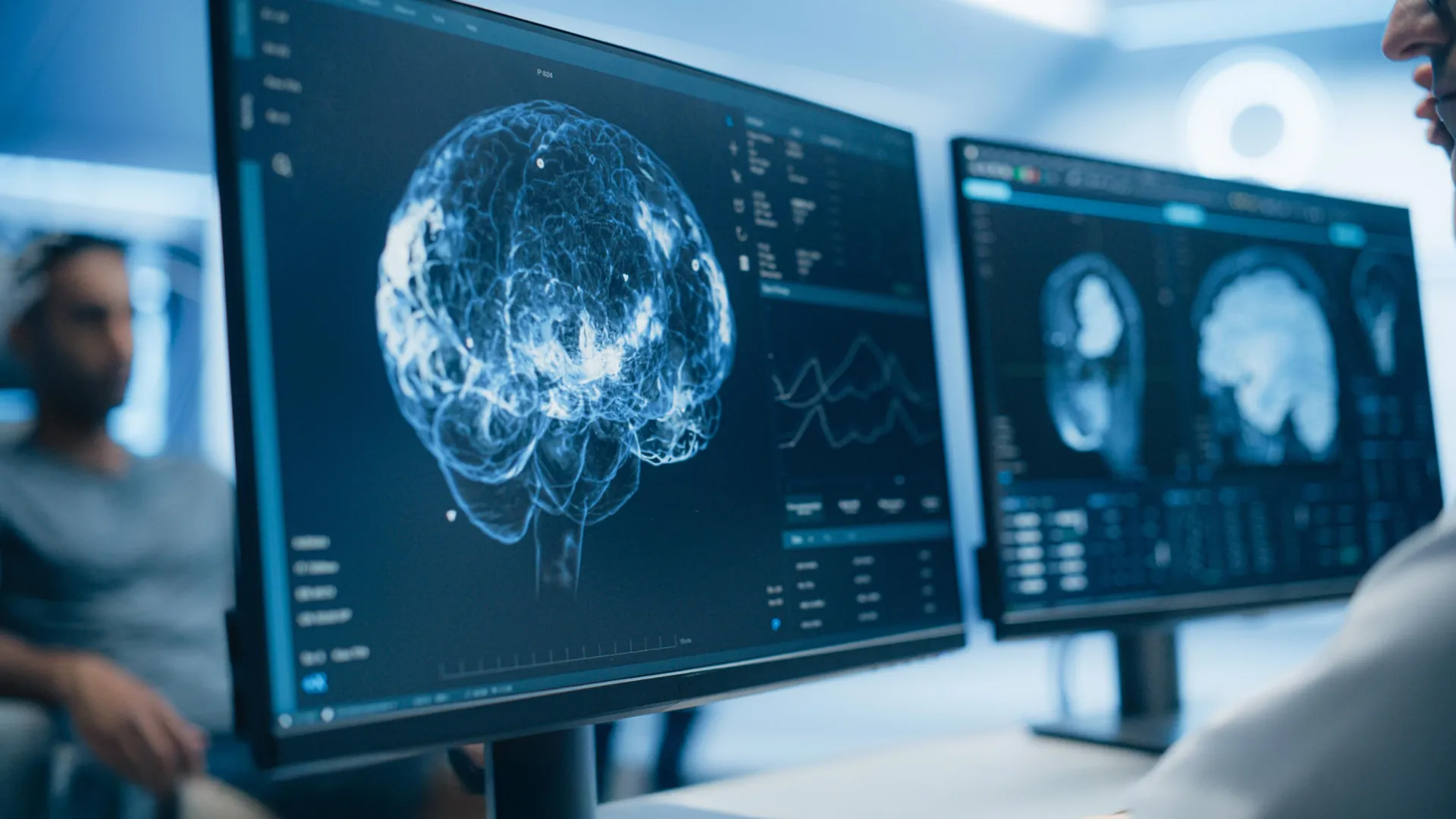
A groundbreaking brain imaging study conducted by researchers at the University of Turku in Finland is prompting a significant reevaluation of one of the most widely discussed explanations for long COVID. The findings, published in the Journal of Neurology, indicate a notable absence of evidence for widespread brain inflammation in individuals grappling with persistent symptoms following a SARS-CoV-2 infection. Instead, the research suggests that heightened activity in brain regions associated with emotion, stress, and memory may be more closely linked to the severity of long COVID symptoms. This discovery has the potential to reshape our understanding of the condition and guide the development of more effective therapeutic strategies.
Rethinking the Inflammation Hypothesis
For years, the prevailing theory posited that ongoing inflammation within the brain, potentially triggered by the SARS-CoV-2 virus, was a primary driver of the myriad debilitating symptoms associated with long COVID. These symptoms, which can persist for months or even years after the initial infection, include profound fatigue, cognitive impairments often described as "brain fog," as well as heightened levels of anxiety and depression. While the concept of neuroinflammation offered a compelling framework for explaining these persistent issues, direct empirical evidence to support it had remained elusive and often contradictory.
The University of Turku study sought to bridge this gap by employing sophisticated neuroimaging techniques to meticulously examine the brains of individuals experiencing prolonged post-COVID symptoms. The research team, led by Professor of Neuroimmunology and InFLAMES Research Flagship group leader Laura Airas, aimed to provide a clearer picture of the underlying biological mechanisms at play.
"We did not observe evidence of widespread brain inflammation in patients with long COVID when compared to healthy controls," stated Professor Airas in a press release accompanying the study’s publication. This direct assertion challenges the established narrative and opens the door to alternative explanations for the persistent neurological and psychological sequelae of COVID-19.
A Comparative Neuroimaging Approach
To rigorously assess the presence or absence of neuroinflammation, the study adopted a comparative design, including three distinct groups: individuals diagnosed with long COVID, healthy control participants, and patients with multiple sclerosis (MS). The MS cohort was included as a crucial benchmark, given that multiple sclerosis is a well-established neurological disease characterized by significant and measurable inflammation within the brain’s white matter. This comparison allowed researchers to contextualize any observed inflammatory markers in the long COVID group against a known inflammatory neurological condition.
The study involved a total of 14 participants diagnosed with long COVID, 11 healthy volunteers, and 13 individuals with confirmed multiple sclerosis. All participants underwent a comprehensive suite of advanced diagnostic procedures. Positron Emission Tomography (PET) scans were utilized specifically to detect and quantify neuroinflammation, allowing researchers to visualize areas of heightened metabolic activity indicative of an inflammatory response. Complementing the PET scans were Magnetic Resonance Imaging (MRI) scans, which provided detailed structural information about the brain and allowed for the assessment of changes in white matter integrity. Furthermore, blood samples were collected and analyzed for biological markers that could indicate damage to neurons or their supporting cells, known as glial cells.
The results of these comparative analyses were striking. When contrasted with patients suffering from MS, the long COVID group exhibited significantly lower levels of inflammatory activity within the brain’s white matter. Critically, the researchers found no statistically meaningful differences between the long COVID patients and the healthy volunteers in terms of markers associated with brain inflammation or neurodegeneration. This finding directly undermines the notion that a generalized inflammatory process is a consistent hallmark of long COVID.
The Temporal Dynamics of Inflammation
While the study largely refuted the idea of widespread, persistent brain inflammation in long COVID, it did uncover nuanced temporal patterns related to inflammation. Previous neuropathological investigations into severe acute COVID-19 have indeed reported clear indications of inflammation in the brain during the acute phase of the illness. The current study’s findings suggest that this inflammation may be a transient phenomenon, most pronounced in the earlier stages of the disease and gradually subsiding over time.
Specifically, the researchers observed that participants who were scanned within 16 months of their initial COVID-19 infection displayed higher levels of inflammatory activity in their white matter compared to those who had been ill for a longer duration. Professor Airas elaborated on this observation, suggesting that "this may indicate that inflammation is more noticeable during the earlier stages of the disease before gradually decreasing over time." This temporal aspect is critical, implying that by the time many individuals develop persistent long COVID symptoms, the acute inflammatory response may have largely resolved.
Uncovering Altered Brain Activity in Emotion and Memory Centers
Perhaps one of the most significant findings of the study revolves around altered activity in specific brain regions among individuals with long COVID. The research identified a compelling correlation between the severity of certain long COVID symptoms and increased cellular activity within the hippocampus and amygdala. These brain structures are critically involved in a range of vital functions, including memory formation and retrieval, emotional regulation, and the processing of stress responses.
The study revealed that patients reporting higher levels of anxiety and depression, coupled with a poorer overall quality of life, exhibited this heightened activity in the hippocampus and amygdala. This pattern suggests a potential neurobiological underpinning for the psychological and emotional distress experienced by a significant subset of long COVID patients. The researchers posit that these findings strongly indicate that dysregulation in these emotion-related brain areas could be directly linked to the severity and subjective experience of symptoms reported by individuals with long COVID. This shifts the focus from a global inflammatory process to more localized, functional alterations in key neural circuits.
Implications for Future Treatment Strategies
The implications of these findings for the future treatment of long COVID are substantial. The researchers believe their results contribute to a more refined and nuanced scientific understanding of this complex post-viral syndrome, challenging the singular focus on persistent brain inflammation as the primary culprit for all prolonged symptoms.
Instead, the study advocates for a more multifaceted perspective, suggesting that while inflammation might play a role in the initial stages of the illness, its contribution to long-term sequelae may be diminishing. The evidence points towards a more intricate interplay of biological factors, where inflammatory changes are most prominent shortly after infection and subsequently wane.
Long COVID continues to be a formidable global health challenge, affecting millions worldwide and leaving them with debilitating symptoms that can profoundly impact their daily lives and long-term well-being. The current study’s findings could pave the way for a paradigm shift in how long COVID is approached clinically.
Based on this research, it is suggested that for some patients experiencing persistent symptoms, therapeutic interventions might be more beneficial if they target stress management and emotional regulation rather than solely focusing on anti-inflammatory approaches. This could involve cognitive behavioral therapy (CBT), mindfulness-based interventions, or other psychological support mechanisms designed to help individuals cope with and manage the emotional and cognitive aspects of their illness.
"This study highlights the need to continue investigating the complex biological mechanisms underlying long COVID," Professor Airas emphasized. "Understanding these processes is essential for developing targeted treatments." This call for continued research underscores the ongoing quest to unravel the full spectrum of long COVID’s impact and to identify the most effective pathways to recovery.
The InFLAMES Flagship program, a collaborative initiative between the University of Turku and Ã…bo Akademi University in Finland, plays a pivotal role in advancing such research. This program is dedicated to integrating immunology with related scientific disciplines to pioneer novel diagnostic tools and personalized medical treatments. As part of the Research Council of Finland’s Flagship Program, InFLAMES is at the forefront of driving innovation in understanding and combating complex diseases.
Broader Context and Future Directions
The emergence of long COVID as a widespread phenomenon following the COVID-19 pandemic has necessitated a rapid acceleration of research into its pathogenesis and clinical management. Initial hypotheses, often informed by observations during the acute phase of viral infections, frequently centered on inflammation as a key mechanism. The present study, by employing advanced neuroimaging and a well-controlled comparative design, provides crucial empirical data that revises this perspective.
The timeline of the study’s observations is particularly noteworthy. The period of up to 16 months post-infection allows for the examination of symptoms that have persisted well beyond the acute recovery phase. The observation of diminishing inflammatory markers over time within this timeframe is a significant insight, suggesting that the body’s response to the virus may evolve, with acute inflammation giving way to other contributing factors in the development of long COVID.
While this study does not dismiss the possibility of neuroinflammation in all long COVID cases, it strongly suggests that it is not a universal or dominant feature. This nuanced understanding is vital for avoiding a one-size-fits-all approach to treatment. It encourages clinicians and researchers to consider a broader range of potential underlying mechanisms, including neurochemical imbalances, vascular dysfunction, and the persistent effects of the virus on cellular function, alongside the identified alterations in emotion and memory circuits.
The scientific community’s reaction to such findings is typically one of cautious optimism and a call for further validation. Future research could expand upon these findings by:
- Increasing Sample Size and Diversity: Replicating the study with larger and more diverse patient cohorts, encompassing different demographics and varying severities of initial COVID-19 infection.
- Longitudinal Studies: Conducting longer-term follow-up studies to track changes in brain activity and inflammatory markers over extended periods in individuals with long COVID.
- Investigating Other Mechanisms: Exploring other potential biological pathways, such as the role of the autonomic nervous system, microglial activation (a specific type of immune cell in the brain), and the impact of systemic inflammation on the brain.
- Exploring Treatment Efficacy: Designing clinical trials that specifically compare the effectiveness of therapies targeting emotional regulation and stress management against traditional anti-inflammatory treatments for long COVID symptoms.
The comprehensive approach taken by the University of Turku researchers, combining advanced imaging with a comparative neurological framework, offers a vital step forward in demystifying long COVID. By challenging long-held assumptions and highlighting alternative explanations, their work provides a critical foundation for developing more precise, personalized, and ultimately more effective interventions for the millions affected by this complex and persistent health challenge. The journey to a complete understanding of long COVID is ongoing, but this study represents a significant and promising advancement.