Reynand Wu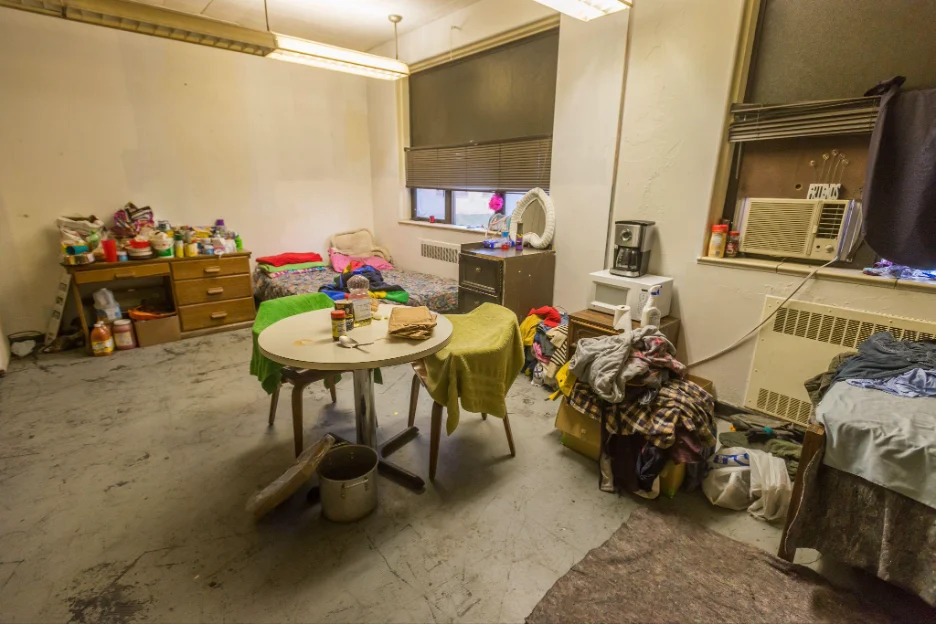
Migrant labor forms the indispensable backbone of U.S. agriculture, a constant and essential force that underpins the nation’s food supply. Yet, the millions of individuals who perform this demanding work often remain unseen, their contributions obscured by a deliberate system of social and spatial invisibility. This strategic concealment extends profoundly to their living conditions, where housing—often provided by employers—is deliberately tucked away behind groves, situated far from public roads, or sequestered on private land behind locked gates, rendering these sites not only difficult to access but also profoundly challenging to leave.
The Unseen Pillars of U.S. Agriculture
Estimates suggest that between 2 and 3 million migrant and seasonal farmworkers are critical to U.S. agricultural production, cultivating and harvesting a vast array of crops, from fruits and vegetables to nuts and grains. This workforce is overwhelmingly composed of immigrants, many of whom are undocumented or work under temporary visa programs like the H-2A visa. Their labor generates billions of dollars annually for the U.S. economy, yet they often exist at the margins of society, enduring some of the lowest wages and most precarious working conditions in the country. The reliance on this mobile and often vulnerable workforce is deeply embedded in the economic structure of American agriculture, allowing for flexibility in response to seasonal demands and market fluctuations.
However, this reliance comes at a significant human cost, particularly evident in the housing provided to these essential workers. The very design and placement of these living quarters are not mere logistical conveniences but rather integral components of a system designed to manage and control a transient labor force.
Housing as a Tool of Control and Isolation
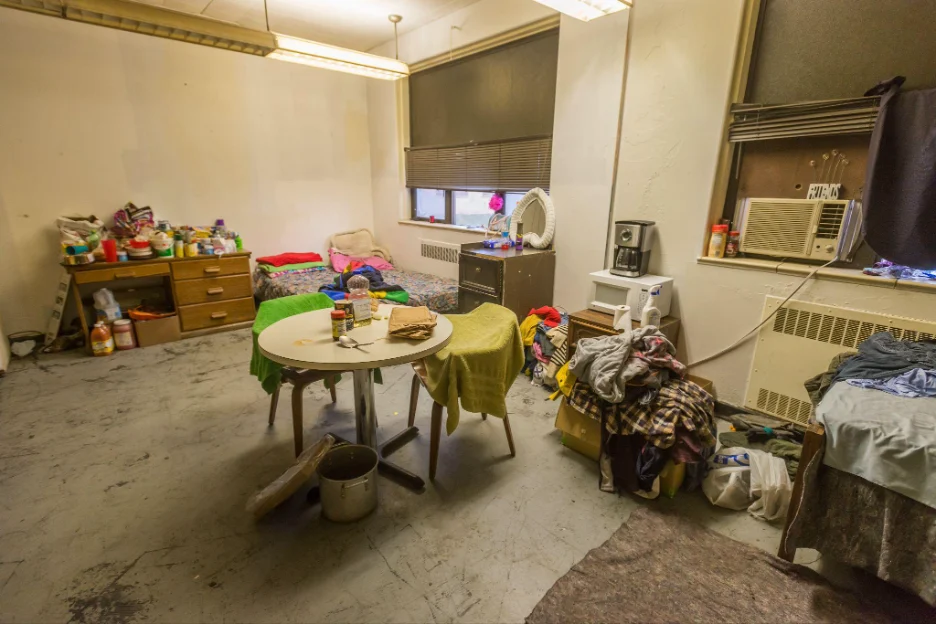
My firsthand experience as a paralegal at an immigration law firm in Metro Detroit illuminated the stark reality faced by many migrant workers. Clients frequently recounted their living situations after grueling 10-14 hour days in fields or orchards, often six or seven days a week, returning to dormitories or barracks-style housing deliberately situated far from any town or community amenities. These narratives consistently highlighted shared spaces devoid of privacy, comfort, or basic dignity. Workers described sleeping in bunk beds in tight quarters, often sharing rooms with multiple individuals, communal bathrooms, and kitchens that were frequently bare of essential facilities. The extreme physical demands of their work, often performed under scorching sun or in other harsh weather conditions, were compounded by the lack of restorative, private, and comfortable living environments.
This invisibility is not accidental; it is a structural element. The remote locations of these housing units sever workers from local communities, limiting their access to independent transportation, grocery stores, healthcare services, and legal aid. This isolation fosters a profound dependence on employers for basic necessities, transportation, and even social interaction, thereby diminishing their autonomy and increasing their vulnerability.
Documenting the Dehumanizing Reality: A Historical Perspective
Visual evidence powerfully reinforces these accounts. Contemporary photographs from agricultural regions in North Carolina and California reveal identical cabins arranged in regimented rows, their interiors typically featuring narrow beds, small windows, and barely enough space for personal belongings, let alone comfort. These images transcend mere documentation; they serve as compelling evidence of a system meticulously constructed to marginalize and diminish the humanity of those who sustain it.
The historical echoes of these conditions are striking. Iconic photographs by Dorothea Lange, such as "Migrant agricultural worker’s family in Nipomo, California, 1936," depict families living in temporary, often makeshift shelters during the Great Depression. While the specific context has evolved, the underlying theme of precarious, inadequate housing for agricultural workers has persisted for generations. Lange’s work, commissioned by the Farm Security Administration, aimed to expose the plight of displaced farmworkers, much like contemporary photojournalism continues to shed light on the enduring challenges faced by today’s migrant laborers. These historical parallels underscore that the issue is not a new phenomenon but a deeply entrenched, systemic problem within American agriculture.
The Regulatory Landscape and Enforcement Challenges
The primary federal law governing migrant farmworker housing is the Migrant and Seasonal Agricultural Worker Protection Act (MSPA) of 1983. MSPA sets forth standards for agricultural employers regarding wages, working conditions, housing, and transportation. Additionally, the Occupational Safety and Health Administration (OSHA) provides specific safety and health standards for temporary labor camps. Many states also have their own specific regulations and licensing requirements for migrant housing facilities, often complementing or exceeding federal standards.
However, the efficacy of these regulations is consistently undermined by significant enforcement challenges. Regulatory agencies are often understaffed and underfunded, making comprehensive inspections difficult, especially in remote agricultural areas. Perhaps more critically, workers themselves are frequently reluctant to report violations due to a pervasive fear of retaliation. This fear is multi-faceted: it includes the risk of job loss, eviction from housing (which is often tied directly to employment), and for many undocumented workers or those on temporary visas, the terrifying prospect of deportation or being blacklisted from future work opportunities. This climate of fear effectively silences complaints, allowing substandard conditions to persist largely unchecked. The legal "minimum standard" for shelter, while existing, often provides little more than a bare existence, frequently described as barely above the conditions found in a prison cell, highlighting a profound ethical gap between legality and human dignity.
Sociological Frameworks: Unpacking the "Production of Space"
Sociology offers invaluable frameworks for understanding that this is far more than simply "bad housing." It is a structural problem, deeply intertwined with power dynamics and economic interests. When an employer controls not only employment but also housing, every complaint, every voiced grievance, carries immense risk. Speaking up can mean not only losing one’s job but simultaneously losing one’s shelter, creating a coercive environment where silence becomes a survival mechanism. This design deliberately limits autonomy, keeping individuals quiet and compliant. The fewer choices a person has, the easier it is to exert control over them.
Conflict Theory provides a foundational lens, positing that society develops and changes based on ongoing struggles over power and resources. In the context of migrant labor, this struggle is overtly manifest in the very organization and control of housing. Employers, as resource holders, leverage housing to maintain power over their workforce, ensuring a stable, compliant, and cost-effective labor supply.
Building on this, Henri Lefebvre’s concept of "the production of space" becomes particularly relevant. Lefebvre argued that space is not a neutral container but is actively and socially produced. This means that the physical environment—the layout of a dormitory, the distance of a camp from a town, the design of a room—is shaped by those who hold the authority to determine how people live. This "social production" of space is rarely driven by considerations of comfort, fairness, or the optimal function for its inhabitants. Instead, the arrangement and design of these living spaces directly reflect the interests of those in control, primarily the employers. The shape of a room, the distance between houses, and the overall layout of a building are not random; they are deliberate choices that reflect and reinforce existing power relationships. They are designed to facilitate control and maximize labor efficiency, often at the expense of worker well-being.
Furthermore, Michel Foucault’s analysis of how institutions use architecture to enforce discipline illuminates the subtle yet potent control exerted in migrant housing. These dorms often do not require overt bars or guards; the architecture itself signals and enforces control. The lack of privacy, the communal nature of basic facilities, the constant proximity to others, and the perceived monitoring all contribute to an environment where self-regulation and conformity become paramount. The substandard nature of the housing—meeting only minimum legal standards—is not merely an oversight; it is an active mechanism of dehumanization, and in doing so, it serves as a powerful instrument of control.
My personal encounters confirmed these theoretical insights. I vividly recall a worker describing how his bunk was so close to the next that he could hear every breath of the man above him, stripping away any semblance of personal space. His wife recounted stringent rules about visitors, meal times, and noise, and the heartbreaking reality that even as a married couple, they could not live together in the provided housing. Both expressed a profound sense of being monitored and a deep-seated fear of speaking out. These were not their homes; the system meticulously ensured that.
Economic Drivers and Employer Perspectives
From an employer’s perspective, providing housing for migrant workers is often seen as a practical necessity. Many agricultural operations are located in rural areas where affordable, available housing is scarce. Providing housing can help attract and retain a workforce that is crucial for seasonal harvests. It can also simplify logistics, such as transportation of workers to fields, and can be more cost-effective than other solutions, especially when factoring in the seasonal nature of the work. Agricultural associations often highlight the significant financial investment required to build and maintain these facilities, and the challenges of meeting fluctuating regulatory standards. While these points are valid, they must be weighed against the human cost when these "necessities" morph into instruments of control and exploitation.
Advocacy and the Fight for Dignity
Despite the formidable challenges, numerous advocacy groups, legal aid organizations, and community initiatives across the U.S. are working tirelessly to expose these conditions and champion the rights of migrant farmworkers. Organizations like Farmworker Justice, local Legal Aid societies, and various migrant ministries provide critical legal assistance, direct services, and engage in policy advocacy. They work to educate workers about their rights, challenge exploitative practices, and push for stronger regulations and more robust enforcement. These efforts are crucial in giving a voice to the invisible and demanding accountability from a system that often prioritizes profit over human dignity.
Broader Societal Implications and the Path Forward
The systemic issues in migrant labor housing have profound implications beyond the immediate well-being of the workers. They represent a significant human rights challenge, undermining the fundamental rights to dignity, privacy, and safe housing. There are also severe public health consequences: overcrowding, poor sanitation, and lack of access to healthcare in isolated camps contribute to higher rates of infectious diseases, chronic health conditions, and mental health issues among farmworkers.
Ultimately, this is not merely a housing crisis; it is a deliberate labor strategy. These camps are not temporary accidents or unfortunate oversights; they are, in many cases, long-term solutions to a problem that many stakeholders in the agricultural industry have been reluctant to genuinely fix. As scholars, citizens, and consumers, we have a collective responsibility to bring these hidden designs and their human cost to light. We cannot hope to change what we refuse to see, acknowledge, and confront. Real change requires systemic reforms, strengthened enforcement, and a societal commitment to valuing the lives and dignity of those who feed our nation. This means advocating for policies that ensure fair wages, safe and dignified housing, and robust protections against exploitation and retaliation, fundamentally re-evaluating the true cost of our food.