Nila Kartika Wati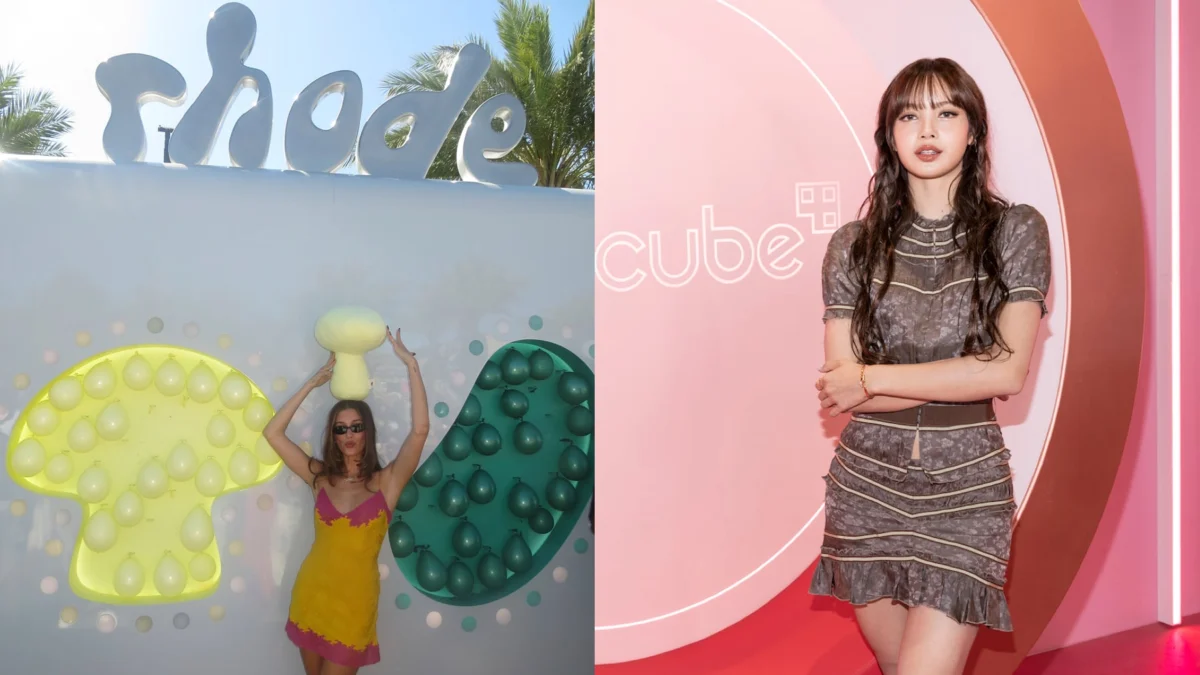
INDIO, California – While official sponsors of the Coachella Valley Music and Arts Festival saw significant visibility across the sprawling event grounds, a strategic, off-site activation by beauty brand Rhode, founded by Hailey Bieber, generated the most impactful resonance, according to proprietary data analysis. This distinction highlights a growing trend where brands are leveraging decentralized, curated experiences to forge deeper connections with consumers amidst large-scale, traditional sponsorships.
The analysis, conducted by a leading market intelligence firm specializing in experiential marketing and consumer engagement, measured various metrics including social media mentions, sentiment, earned media value, and attendee engagement across multiple touchpoints during the festival weekends. While major corporate partners like H&M, Amazon, and Celsius saw broad exposure through on-site activations and stage sponsorships, Rhode’s independently hosted "Rhode Beach" event, held in a private venue just outside the main festival grounds, commanded a disproportionately higher level of impactful engagement relative to its scale and direct integration with Coachella itself.
The Coachella Landscape: A Hub of Brand Activations
Coachella, held annually in Indio, California, has long been a prime destination for brands seeking to tap into the culture and influence of its diverse and trend-setting audience. The festival, typically spanning two consecutive weekends in April, attracts hundreds of thousands of attendees, including a significant contingent of celebrities, influencers, and media. This convergence of cultural capital makes it an unparalleled platform for brand visibility and experiential marketing.
Historically, official sponsors have secured prominent positions within the festival, often involving branded lounges, charging stations, pop-up shops, and sponsored performances. These activations aim to provide tangible benefits to attendees while embedding brand messaging seamlessly into the festival experience. For instance, H&M, a long-standing partner, has frequently curated festival fashion collections and offered on-site styling services. Amazon, in recent years, has leveraged its Prime membership for exclusive access and amenities. Celsius, a popular energy drink, has become synonymous with festival hydration and energy boosts, often featuring branded chill zones and sampling opportunities.
However, the sheer volume of official activations can lead to a dilution of impact. Attendees are often bombarded with brand messages, making it challenging for any single entity to cut through the noise and create a lasting impression. This saturation, coupled with a desire for more authentic and exclusive experiences, has paved the way for brands to explore alternative strategies.
Rhode’s Strategic Divergence: The Power of an Off-Site Haven
Rhode’s approach was notably different. Instead of seeking a coveted spot within the official festival footprint, the beauty brand, spearheaded by its founder Hailey Bieber, opted to create its own independent oasis of relaxation and brand immersion. "Rhode Beach," as it was dubbed, was a meticulously designed off-site event that offered a curated escape from the festival’s intensity.
The activation, which ran concurrently with one of the Coachella weekends, provided attendees with a tranquil environment featuring comfortable seating, aesthetic decor, and, crucially, an exclusive sampling of Rhode’s skincare products. The focus was on creating a serene and aesthetically pleasing space that reflected the brand’s ethos of simple, effective beauty. This included opportunities for attendees to experience the products firsthand, receive mini-treatments, and engage with the brand in a relaxed setting.
Unlike many on-site activations that are transactional, Rhode’s event emphasized an experience-driven approach. It was designed to be an aspirational destination, a place where festival-goers could recharge, connect, and subtly engage with the brand’s offerings in a non-intrusive manner. The presence of Hailey Bieber herself at the event, engaging with guests and sharing content on social media, further amplified its appeal and generated significant organic buzz.
Data-Driven Impact: Quantifying Rhode’s Success
The data analysis revealed that while official sponsors achieved broad reach, Rhode’s off-site activation achieved a higher "impact score." This score is a composite metric that weighs factors such as the depth of engagement, the sentiment of social media conversations, the quality of earned media coverage, and the perceived value of the experience by attendees.
According to the report, Rhode’s social media mentions, while fewer in absolute terms than some major sponsors, were characterized by significantly higher positive sentiment and deeper engagement rates. Users were not just mentioning the brand; they were actively sharing their positive experiences, praising the event’s design, the product sampling, and the overall atmosphere. This "word-of-mouth" amplification, driven by genuine attendee satisfaction, proved more potent than the widespread, but often superficial, visibility of on-site activations.
Furthermore, the earned media value generated by Rhode’s event significantly outperformed expectations for an off-site activation. Fashion and lifestyle publications, as well as numerous influencers, covered "Rhode Beach" as a standout event, highlighting its exclusivity and its departure from traditional festival marketing. This coverage often focused on the brand’s ability to create a unique and desirable experience, further solidifying its image as a forward-thinking and consumer-centric brand.
A Timeline of Experiential Marketing Evolution
The shift observed in Rhode’s success is part of a broader evolution in how brands approach large-scale events like Coachella.
- Early Days (Pre-2010s): Sponsorships were largely about logo placement and basic brand presence. Visibility was the primary goal, with less emphasis on direct consumer engagement.
- The Rise of Experiential Marketing (2010s): Brands began to understand the power of creating interactive experiences. This led to more elaborate on-site activations, pop-up shops, and influencer collaborations. The focus shifted from mere visibility to creating memorable moments.
- The Authenticity and Exclusivity Era (Late 2010s – Present): As consumers became more discerning and the digital landscape evolved, the emphasis moved towards authenticity and exclusivity. Brands realized that curated, intimate experiences could generate more meaningful connections than mass-market activations. This period saw the rise of off-site events, VIP lounges, and highly personalized brand interactions.
Rhode’s strategy aligns perfectly with this latter phase. By opting for an independent event, they were able to:
- Control the Narrative: They dictated the entire experience, ensuring it was perfectly aligned with their brand identity and values.
- Foster Exclusivity: The off-site nature created a sense of exclusivity, making attendees feel like they were part of a special, curated group.
- Prioritize Quality over Quantity: Instead of reaching everyone, they focused on creating a highly engaging experience for a select group, knowing that positive word-of-mouth and social sharing would amplify their reach organically.
Reactions and Implications for the Industry
While official statements from Coachella organizers regarding specific brand performance are typically not released, the data analysis offers a clear indication of evolving consumer preferences. Industry experts suggest that Rhode’s success serves as a compelling case study for other brands looking to maximize their impact at major cultural events.
"Brands are increasingly recognizing that a well-executed, independent activation can often yield more significant results than a crowded, official sponsorship," commented Sarah Chen, a marketing strategist specializing in influencer and experiential campaigns. "It’s about creating a destination that resonates with the target audience’s aspirations and values, rather than just being another logo in the landscape. Rhode understood that by offering a serene, aesthetically pleasing escape that provided tangible product benefits, they tapped into a core desire of festival-goers seeking a respite from the chaos."
The implication for official sponsors is clear: they must innovate beyond traditional activations to remain relevant and impactful. This might involve developing more unique, value-driven experiences within their official partnerships or exploring strategic off-site activations that complement their on-site presence. The challenge lies in balancing broad reach with deep engagement, a feat that Rhode has demonstrated can be achieved through a focused, experience-led approach.
The analysis also underscores the growing importance of Hailey Bieber as a cultural force and brand ambassador. Her direct involvement and personal connection to Rhode were instrumental in driving the event’s appeal and generating authentic buzz. This highlights the power of celebrity-led brands in leveraging their existing platforms to create unique and impactful marketing moments.
Looking Ahead: The Future of Brand Activations at Festivals
As the festival landscape continues to evolve, brands will likely continue to experiment with a variety of strategies. The success of Rhode’s off-site activation suggests a future where hyper-curated, experience-driven events play an increasingly significant role, potentially even rivaling the impact of traditional, large-scale sponsorships.
The key takeaway is that in an era of information overload and heightened consumer awareness, authenticity, exclusivity, and a genuine focus on attendee experience are paramount. Brands that can successfully weave these elements into their marketing strategies, whether on-site or off, will be best positioned to capture the attention and loyalty of today’s discerning consumers. Rhode’s strategic pivot from a conventional sponsorship model to an independent, experience-focused event has undoubtedly set a new benchmark for impactful brand activations in the festival circuit. The data speaks volumes: in the battle for consumer attention, a well-crafted escape can often be more powerful than a prominent perch.