Layla Zulfa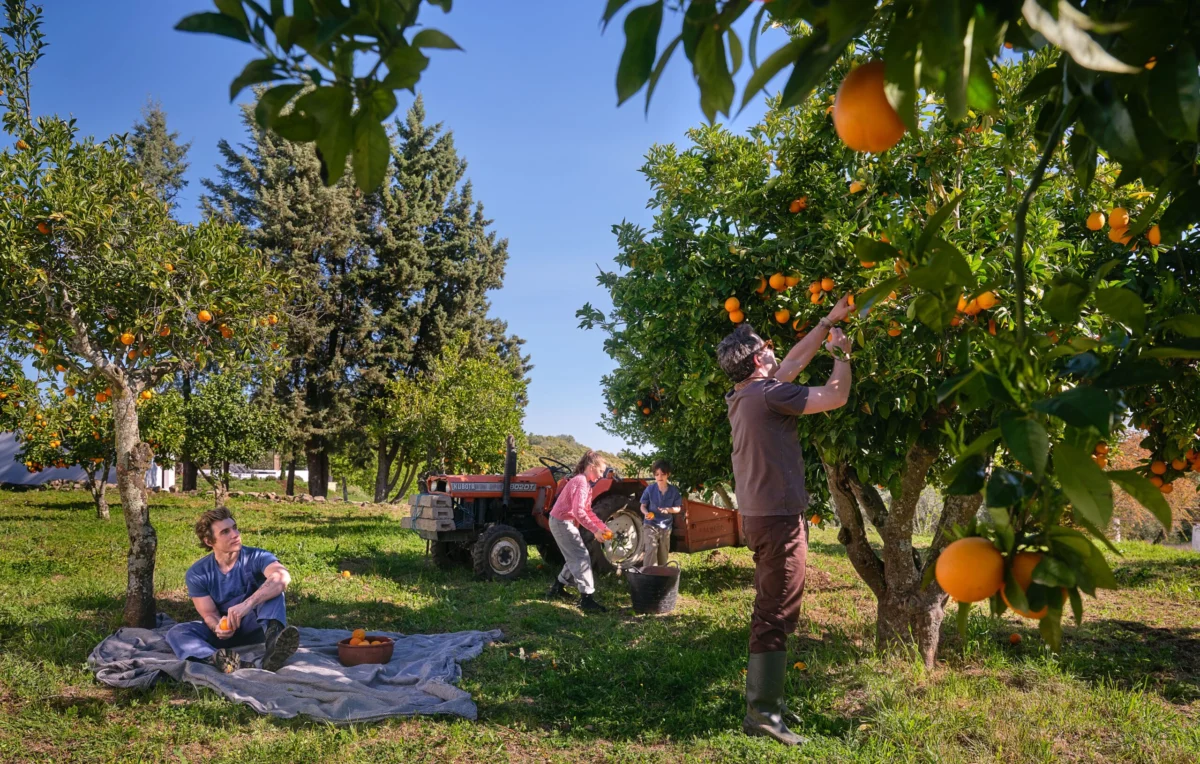
The transition from the high-octane world of American interior design and television to the pastoral serenity of rural Portugal marks a significant chapter in the lives of Jeremiah Brent and Nate Berkus. On an 18-acre estate in the Alentejo region, a rugged landscape characterized by its undulating plains and ancient cork forests, the AD100 design duo has spent nearly five years stewarding a project that transcends mere renovation. This Portuguese retreat, situated less than 30 minutes from the Spanish border, represents a deliberate departure from the couple’s well-documented residences in Greenwich Village and Montauk. It is a site where vintage Kubota tractors replace town cars and the rhythms of the harvest dictate the daily schedule.
The Visionary Catalyst and Familial Roots
The acquisition of the Alentejo property was driven by a deeply personal narrative rather than a simple real estate investment. Jeremiah Brent, who recently concluded a tenure on the final season of Netflix’s Queer Eye, traces the inspiration for the move to his grandmother, Arline. An emigrant from Portugal, Arline was a central figure in Brent’s upbringing in California’s Central Valley. Her influence, described by Brent as a blend of toughness and domestic "dominion," instilled a long-standing desire to reconnect with his ancestral heritage.
This emotional connection was shared by Brent’s mother, Gwen, a former law enforcement officer and paralegal who had harbored a lifelong ambition to retire in Portugal. The realization of this dream became a primary objective for the design couple. The catalyst for the specific location was a visit to their friend, art dealer André Viana, who had previously relocated from New York City to the Alentejo. Observing the transformative effect the region had on Viana’s well-being—described by Brent as a newfound sense of "balance"—the couple began their search for a homestead that could serve as a multi-generational sanctuary.
Acquisition and the Anatomy of a Ruin
The property Viana eventually identified was a centuries-old farmstead formerly owned by a prominent local family. Located at the terminus of a two-mile private road, the estate was less a single house and more a "tiny village" of dilapidated structures. The site featured a whitewashed archway leading to a cluster of ruins, including a crumbling chapel, a traditional bread bakery, and a two-story farmhouse where the original owners once lived above the animal stables.
Despite the romantic appeal of the landscape—which included silvery olive groves, a meandering creek, and a network of antique Roman-style aqueducts—the reality of the restoration was initially overwhelming. Nate Berkus, a design icon whose career was launched into the global spotlight via The Oprah Winfrey Show, admitted to significant early stress. The scale of the decay and the complexities of local building codes presented a steep learning curve for a team accustomed to the logistical frameworks of New York and Los Angeles.

A Chronology of Restoration: 2019–2024
The project’s five-year timeline reflects a commitment to architectural integrity and local craftsmanship. The restoration followed a phased approach:
- Phase One: Infrastructure and Agriculture (2019–2020): Before addressing the residential structures, the couple prioritized the land. This involved repairing the historic aqueducts to ensure water management and conducting extensive soil analysis to support the revitalization of the orchards. They also integrated livestock, learning the nuances of tending sheep to maintain the 18-acre grounds.
- Phase Two: The Guest House and Bakery (2021–2022): The first building to be fully restored was the original bakery. This structure was converted into a self-contained residence for Brent’s mother and her husband, who relocated from Chicago. This phase served as a testing ground for materials and local building techniques.
- Phase Three: The Main Farmhouse and Studio (2022–2024): The final stage involved the comprehensive renovation of the two-story main house and the conversion of an auxiliary ruin into an art studio. This phase required balancing the preservation of original features—such as the cavernous granite fireplaces—with the installation of modern climate control and utility systems.
Collaborative Design and Regional Expertise
Humbled by the technical demands of the Alentejo landscape, Berkus and Brent pivoted from their usual American design instincts to rely on local experts. They enlisted architect Cristina Guerra and landscape architect Joana Bizarro, both of whom possess specialized knowledge of the region’s traditional building methods and agricultural requirements.
The architectural philosophy was one of "restorative intervention." Rather than stripping the buildings to create a modern aesthetic, the team focused on stabilizing the ruins while retaining their historic character. For example, a former water tank was reimagined as a swimming pool, lined with a checkerboard marble pattern that references classic European design while serving a contemporary recreational purpose.
The interior design, while described by Brent as the "most maximalist" environment they have created, remains rooted in the property’s history. The couple utilized a "trove" of furniture that was purchased along with the estate, including:
- Robert Mallet-Stevens Kitchen Chairs: Mid-century modernist pieces that provide a functional link to French design history.
- 19th-Century Tapestries: An antique hunting scene discovered in the upstairs parlor was preserved and remains a focal point of the decor.
- Local Ceramics and Global Accents: The interiors are layered with Portuguese pottery, bird sculptures, and a significant portion of the couple’s personal library, shipped from New York.
Modern additions were carefully curated to complement the rustic shell. This includes pieces from their own design collaborations, such as the Inicio Table Lamp and Lumen Cast Glass Taper Holders by Jeremiah Brent, as well as select items from European auctions and contemporary retailers like Arhaus and Schumacher.
Economic and Cultural Context of the Alentejo Region
The Brent-Berkus project coincides with a broader trend of international investment in the Alentejo. Often referred to as the "Tuscany of Portugal," the region covers approximately 30% of the country’s landmass but remains its most sparsely populated area. Over the last decade, Portugal’s "Golden Visa" program and various tax incentives for non-habitual residents have drawn a significant number of high-net-worth individuals to its rural interior.

Data from the Portuguese National Statistics Institute (INE) suggests that while coastal regions like the Algarve have traditionally dominated the luxury market, the Alentejo has seen a steady rise in property values, particularly for "Quintas" (country estates) and heritage ruins. The appeal lies in the region’s commitment to "slow living" and its burgeoning reputation as a hub for sustainable viticulture and olive oil production.
Broader Impact and Personal Implications
For Berkus and Brent, the Portuguese homestead is intended to be a permanent fixture in their family’s life. While New York City remains their primary professional base, the couple plans to reside in the Alentejo for up to four months each year, aligned with their children’s school breaks.
The impact of the move is already visible in the lives of their children, Poppy, 11, and Oskar, 8. The environment offers a stark contrast to the urban landscape of Manhattan; the children engage in activities ranging from harvesting "Laranja-da-Bahia" oranges to navigating fields of French lavender. The presence of their grandmother on the property reinforces the multi-generational intent of the project.
In a broader sense, the project serves as a case study for the "New Ruralism" movement among top-tier designers. It demonstrates a shift away from the polished, often sterile aesthetics of luxury urban development in favor of a design language that celebrates imperfection, historical continuity, and environmental stewardship.
Conclusion: A Protected Sanctuary
As the property makes its public debut in the June issue of Architectural Digest, Jeremiah Brent notes a rare sense of protectiveness over the estate. "It’s the first time I’ve ever felt so protective about a place," he admitted. This sentiment highlights the transition of the Alentejo farm from a professional design project to a private family legacy.
The Brent-Berkus homestead stands as a testament to the power of heritage and the necessity of balance. By integrating local knowledge with their distinct aesthetic vision, the couple has not only restored a cluster of ruins but has also created a blueprint for how modern families can reconnect with the land and their history in an increasingly fast-paced world. The "sense of magic" described by visitors to the farm is a direct result of this five-year journey—a journey defined by soil, stone, and a deep-seated respect for the Portuguese sun.