Layla Zulfa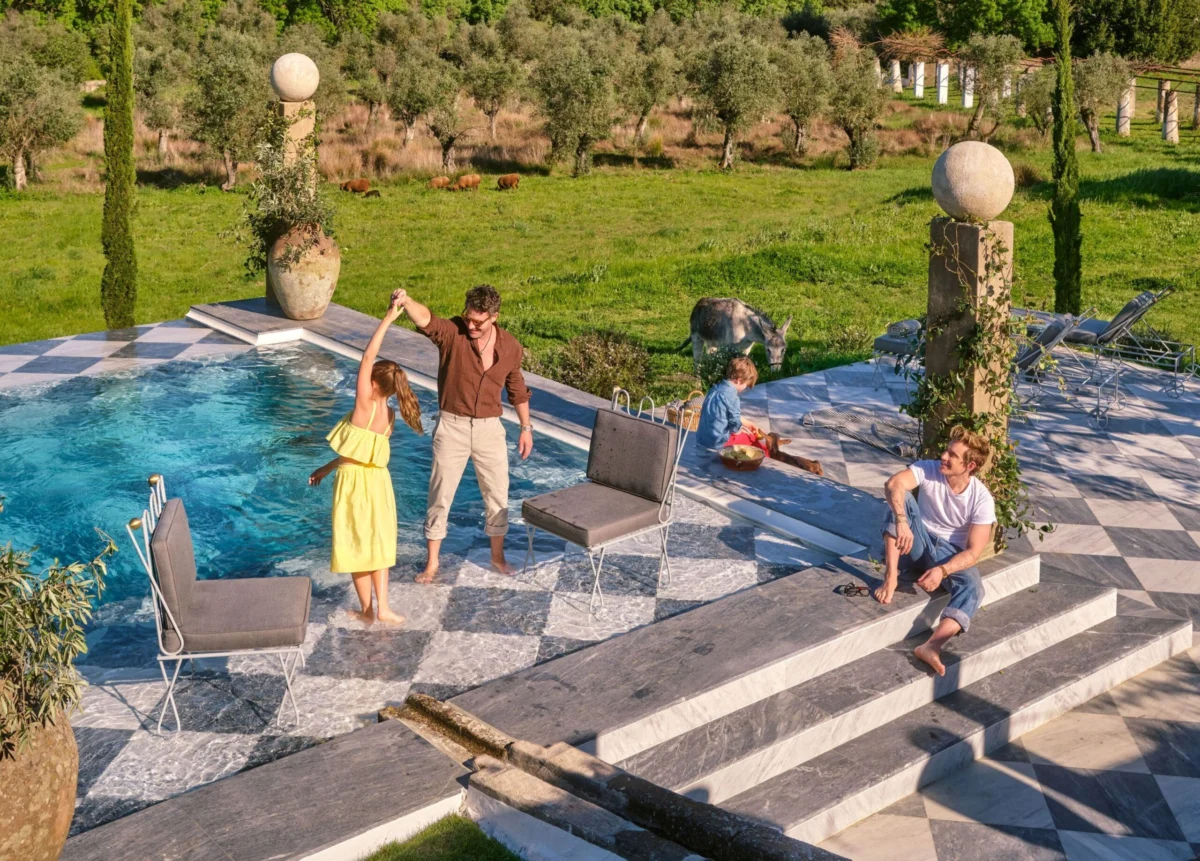
Renowned interior designers Nate Berkus and Jeremiah Brent, both fixtures of the prestigious AD100 list, have recently completed a comprehensive five-year restoration of a rural homestead in Portugal, a project that marks a significant milestone in their multi-decade careers. While the duo has overseen the transformation of dozens of high-profile residences for a global clientele, the Portuguese project presented a unique set of logistical, environmental, and cultural challenges that required a departure from their standard operating procedures. The restoration, which serves as a family vacation home, involved not only the architectural rehabilitation of historical structures but also the revitalization of an active agricultural estate. By documenting their journey, Berkus and Brent have provided a blueprint for international property development that prioritizes local expertise, sustainable land management, and community integration.
Project Overview and Chronological Development
The acquisition of the Portuguese property five years ago began as an endeavor to find a retreat that offered a slower pace of life than the designers’ primary residences in the United States. Located in a remote corner of the country, the estate consisted of several dilapidated structures and neglected agricultural land. Unlike a standard residential renovation, which typically focuses on interior aesthetics and structural integrity, this project necessitated a holistic approach to land stewardship.

The timeline of the restoration can be divided into three distinct phases. The first two years were dedicated almost exclusively to infrastructure and environmental recovery. This included the assessment of soil health, the restoration of ancient irrigation systems, and the stabilization of the primary dwelling’s shell. The middle phase, spanning years three and four, focused on the architectural refinements and the sourcing of materials, many of which were procured from local quarries to ensure stylistic and geographical authenticity. The final year was dedicated to the "soft" elements of the project: interior design, the introduction of livestock, and the establishment of a massive vegetable garden and lavender fields.
Throughout this period, the designers managed the project from thousands of miles away, a feat that Berkus admits was a constant source of professional stress. The distance required a level of trust and delegated authority that surpassed their previous domestic projects, highlighting the complexities of international real estate development.
Strategic Project Management and the Language Barrier
One of the primary conclusions drawn by Berkus and Brent is the absolute necessity of high-level, bilingual project management when operating in a foreign jurisdiction. In the early stages of the project, communication emerged as the most significant hurdle. The designers noted that nuances in construction techniques, legal requirements, and design specifications are often lost in translation without a dedicated intermediary.

To mitigate these risks, they enlisted a project manager fluent in both Portuguese and English before the closing of the property. This individual served as a "bridge" between the designers and the local workforce, supervising construction teams and navigating the bureaucratic intricacies of Portuguese building permits. Brent emphasizes that for any investor looking to develop property in a region where they do not speak the primary language, a local manager is not a luxury but a fundamental requirement for project viability.
Furthermore, the designers advocated for a rigorous vetting process for contractors. They recommended that international owners look for commercial-grade contractors even for residential projects. According to Berkus, commercial firms often possess a higher degree of organizational structure and adherence to timelines, which can be critical when the owners are not on-site to provide daily oversight. They also suggested visiting recently completed jobs to verify the quality of craftsmanship, particularly in regions where traditional building methods may differ significantly from Western standards.
Infrastructure and Environmental Stewardship
A significant portion of the five-year timeline was consumed by what the designers call "land practices." Before the aesthetic renovation of the house could begin, the health of the estate’s ecosystem had to be addressed. This required an intensive study of the local climate and soil composition. Brent noted that they spent years diagnosing why the property’s trees were failing to thrive, eventually identifying issues with oxygenation and water distribution in the soil.

The restoration of the property’s ancient water channels was a critical infrastructure milestone. These channels, which are common in historical Portuguese farms, are essential for the irrigation of citrus and olive orchards. By repairing this heritage infrastructure, the designers were able to implement a sustainable water management system that supports the new lavender fields and the burgeoning vegetable garden.
From a logistical standpoint, Berkus and Brent advise that infrastructure—including drinking water systems, wastewater treatment, and storm drainage—must be the first priority in any rural restoration. They also cautioned against the premature introduction of livestock. While the couple now keeps sheep and peacocks on the property, they waited until the heavy construction phase was complete to bring animals onto the land, noting that the noise and activity of construction equipment are highly disruptive to farm animals.
Materiality and the Economics of Local Sourcing
In a move that balanced aesthetic goals with economic efficiency, Berkus and Brent pivoted toward local sourcing for the project’s primary materials. While some specialized items were shipped from overseas, the majority of the stone and marble used in the renovation originated from Portuguese quarries.

Portugal is globally recognized for its high-quality marble, particularly from the Alentejo region. The designers utilized this resource to create a signature checkerboard pattern for the swimming pool area, employing Ruivina (a dark grey marble) and Estremoz White. By sourcing these materials locally, they avoided the exorbitant shipping costs and logistical delays associated with international stone transport.
However, even with local sourcing, the designers noted that delivery timelines in Portugal can be longer than those in the United States. Their strategic recommendation for international renovators is to purchase and store all necessary stone at the very beginning of the construction phase. This proactive approach prevents work stoppages caused by supply chain fluctuations or quarrying schedules.
Adaptive Reuse: Converting Agricultural Structures
A standout feature of the renovation is the conversion of an original agricultural water tank into a functional swimming pool. The property contained five such tanks, which were historically used for irrigation and livestock. Rather than demolishing these structures to build a modern pool, the designers chose to adapt one, preserving the rustic texture of the exterior to maintain the property’s historical character.

This process involved significant engineering adjustments, including making the tank shallower and installing modern filtration equipment in a discreet, nearby equipment room. Berkus emphasized the importance of preserving original details, such as drain outlets and stone pillars, to ensure that the new intervention felt integrated into the historical fabric of the farm. This approach aligns with broader trends in sustainable architecture, where the adaptive reuse of existing structures is preferred over new construction to minimize the environmental footprint of a project.
Socio-Economic Integration and Community Impact
Beyond the physical restoration of the farm, Berkus and Brent focused heavily on socio-cultural integration. They recognized that as high-profile foreigners moving into a rural community, their presence could be perceived as intrusive. To counter this, they made a conscious effort to hire local villagers for both the construction phase and the ongoing maintenance of the farm.
The designers have also utilized the property as a venue for community building, hosting events such as wine and cheese gatherings for their neighbors. This strategy serves two purposes: it fosters goodwill within the local population and allows the designers to gain a deeper understanding of traditional land management and cultural norms. Berkus noted that understanding the "right way to do things" in a specific region requires listening to those who have lived on the land for generations.

Broader Implications for the International Real Estate Market
The successful completion of the Berkus-Brent project occurs at a time of increased interest in the Portuguese real estate market, particularly among North American investors. Factors such as the D7 visa, the climate, and a relatively lower cost of living compared to major US metropolitan areas have made Portugal a primary destination for "lifestyle" migrations.
However, the designers’ experience serves as a cautionary tale regarding the "hidden" costs and time commitments of such ventures. Their five-year journey highlights that rural restorations are not merely interior design projects but complex exercises in infrastructure, environmental science, and cross-cultural management.
The project also reflects a shift in the high-end design industry toward "slow living" and "regenerative aesthetics." By prioritizing soil health, water conservation, and local materials, Berkus and Brent have demonstrated that luxury and sustainability are not mutually exclusive. As more affluent travelers seek to establish roots in rural international locations, the lessons learned from this Portuguese homestead—specifically regarding the importance of local project management and environmental stewardship—will likely become standard practice for the modern international developer.