Nila Kartika Wati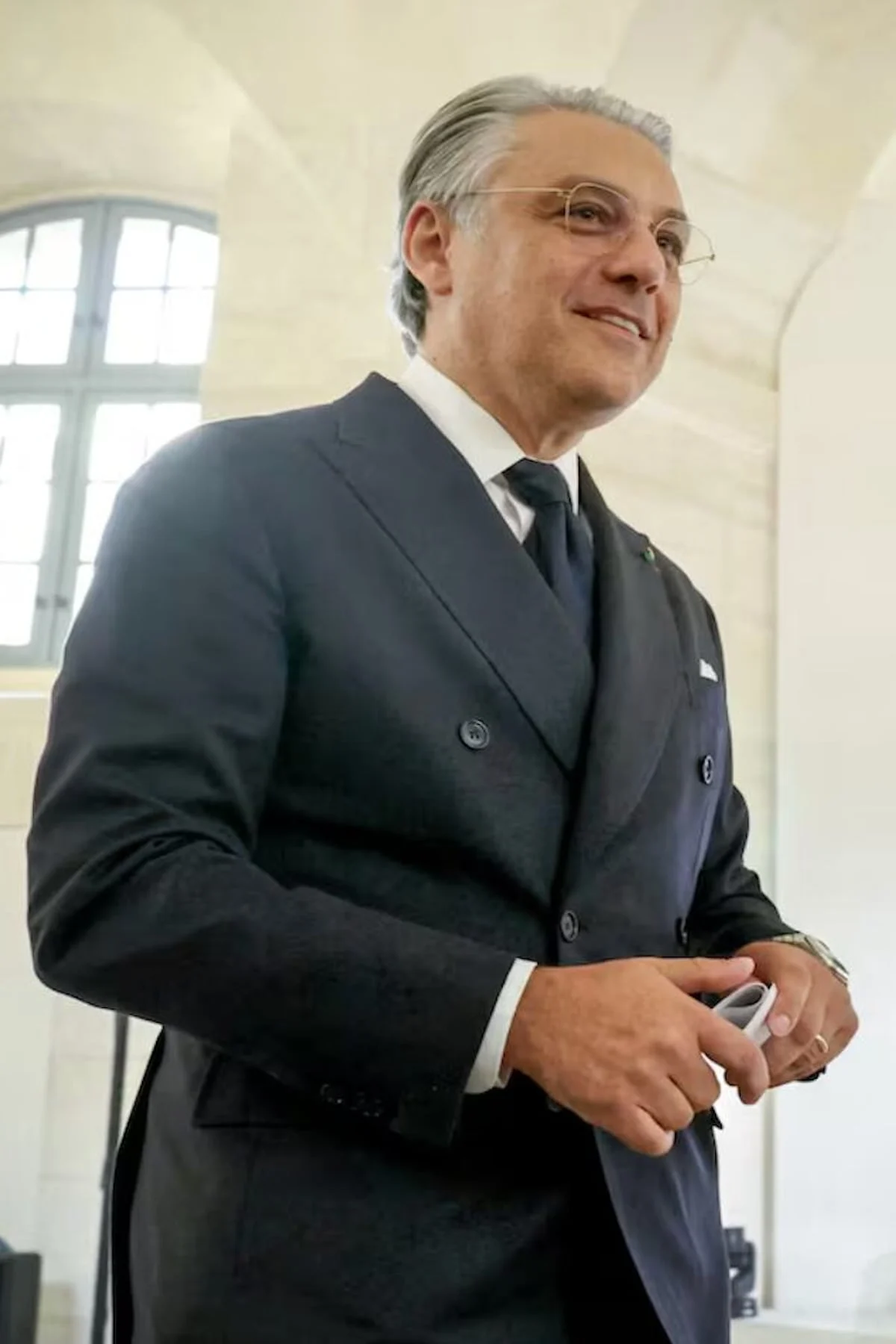
The luxury sector, long revered for its deep-rooted traditions and enduring allure, is currently undergoing a period of unprecedented transformation. Across Europe and globally, established brands are grappling with rapid shifts in consumer behavior, technological advancements, and evolving societal expectations. This dynamic environment is compelling even the most heritage-rich houses to re-evaluate their strategies, innovate their offerings, and redefine their engagement with a new generation of discerning clientele. The very foundations of luxury are being tested, demanding agility and a keen understanding of the future landscape.
The Shifting Sands of European Luxury
For decades, European luxury houses, particularly those in France and Italy, have been the undisputed arbiters of style, quality, and exclusivity. Brands like Hermès, Louis Vuitton, Chanel, and Gucci have cultivated an aura of timelessness, built on craftsmanship, heritage, and carefully managed scarcity. However, the recent economic climate, coupled with a growing emphasis on sustainability, digital integration, and a desire for more authentic brand narratives, is creating new challenges.
Hermès Faces Momentum Challenges
A recent analysis by Luca Solca, a prominent industry expert, suggests that Hermès, a French leather goods powerhouse renowned for its Birkin and Kelly bags, may be experiencing a slowdown. Solca draws a comparison to Louis Vuitton’s "Capucine moment" in the early 2010s, a period when the brand underwent a significant strategic overhaul to maintain its growth trajectory. While Hermès has historically demonstrated remarkable resilience, its ability to maintain its premium pricing and exclusivity while adapting to evolving market demands is now under scrutiny. Data from Hermès’ latest financial reports indicate a moderation in sales growth, prompting industry observers to question the brand’s long-term strategy for sustained momentum in an increasingly competitive arena. The brand’s ability to consistently deliver on its promise of unparalleled craftsmanship and exclusivity, while simultaneously embracing innovation and reaching new demographics, will be critical.
The Financial Tightrope of Independence
The pursuit of maintaining independence in the luxury market presents a unique set of challenges, as exemplified by the Italian fashion house Dolce & Gabbana. The brand has historically prioritized retaining full control over its operations and creative direction, a strategy that has allowed it to cultivate a distinct identity and avoid the compromises that can accompany external investment or public offerings. However, this fiercely guarded independence has often been financed through debt rather than equity. In the current economic climate, characterized by a sector-wide slowdown and increased operational costs, this reliance on debt is placing significant pressure on the company.
The punishing sector-wide slowdown, driven by factors such as inflation, geopolitical instability, and a post-pandemic recalibration of consumer spending, means that revenue streams are less predictable. For a company like Dolce & Gabbana, which has historically funded its expansion and ambitious projects through borrowing, this presents a precarious situation. The cost of servicing this debt increases, while the capacity to generate sufficient returns to manage it becomes more challenging. This situation highlights the delicate balance that independent luxury brands must strike between maintaining their autonomy and ensuring financial stability in a volatile global market. The long-term implications of this financial strategy for Dolce & Gabbana’s ability to invest in innovation, marketing, and global expansion remain a key area of interest for industry analysts.
Sustainability Takes Center Stage
The increasing global focus on sustainability is not merely a trend but a fundamental shift that is reshaping industries, and luxury is no exception. Consumers, particularly younger generations, are demanding greater transparency and accountability from brands regarding their environmental and social impact. This has led to a renewed interest in natural fibers and circular economy solutions.
Cotton Incorporated’s Strategic Pivot
In response to these evolving demands and looming global sustainability regulations, Cotton Incorporated is actively advocating for a return to natural fibers. The organization, a research and marketing entity for upland cotton, is positioning cotton as a biodegradable and environmentally preferable alternative to the pervasive synthetic waste generated by the fashion industry. Jesse Daystar, Vice President and Chief Sustainability Officer at Cotton Incorporated, has articulated the company’s vision, emphasizing the potential of natural fibers to address the industry’s significant waste problem. This strategic emphasis on cotton’s inherent sustainability – its biodegradability, renewability, and potential for circularity through advanced recycling and upcycling technologies – is a direct response to the growing consumer and regulatory pressure for more eco-conscious fashion. Cotton Incorporated’s initiative signifies a broader industry trend towards re-evaluating material sourcing and production processes, with a focus on reducing reliance on petrochemical-based synthetics.
The Reorganization of Luxury Conglomerates
The broader luxury market is also witnessing significant strategic realignments within major conglomerates. Kering, the owner of powerhouse brands such as Gucci and Saint Laurent, is undertaking a significant reorganization of its key functions at the group level. This strategic overhaul, unveiled by new CEO Luca de Meo, signals a proactive approach to navigating the current market complexities and positioning the group for future growth.
The restructuring at Kering is likely to involve a re-evaluation of operational efficiencies, supply chain management, and marketing strategies across its diverse portfolio of brands. By centralizing certain functions, Kering aims to achieve greater synergy, leverage economies of scale, and implement best practices across its maisons. This move is particularly pertinent given the recent performance trends within the luxury sector, where a one-size-fits-all approach is increasingly insufficient. The emphasis on a "strategic overhaul" suggests a comprehensive review of how Kering operates, from product development and sourcing to brand positioning and customer engagement. The implications of this reorganization could extend to how individual brands within the Kering group are managed, potentially leading to more integrated or specialized approaches depending on their market positioning and target demographics.
Broader Impact and Future Outlook
The confluence of these trends – the need for agility in established heritage brands, the financial pressures on independent houses, the imperative of sustainability, and the strategic realignments within conglomerates – paints a picture of a luxury sector in transition. The notion of "luxury" itself is evolving. It is no longer solely defined by overt opulence or inherited prestige. Instead, it is increasingly encompassing values such as authenticity, ethical production, environmental responsibility, and personalized experiences.
The "Capucine moment" for Hermès, if it materializes, would signify a broader trend of heritage brands needing to adapt their established formulas. This might involve embracing new digital channels more effectively, exploring innovative product categories, or even subtly adjusting their brand narratives to resonate with contemporary sensibilities without alienating their core clientele.
For independent brands like Dolce & Gabbana, the challenge of balancing independence with financial viability will be a crucial test case. Their ability to innovate and adapt their business models without compromising their unique identity will be closely watched. The success of their strategies will likely influence how other independent luxury players approach their own growth and financial management.
The emphasis on sustainability, championed by initiatives like Cotton Incorporated’s, is set to become an even more critical differentiator. Brands that can demonstrably integrate sustainable practices into their supply chains and product lifecycles will likely gain a competitive edge and foster deeper loyalty among environmentally conscious consumers. This extends beyond material sourcing to encompass ethical labor practices, reduced carbon footprints, and responsible waste management.
Finally, the strategic moves by conglomerates like Kering underscore the ongoing consolidation and professionalization of the luxury market. The ability to manage a diverse portfolio of brands effectively, adapt to rapid market shifts, and invest strategically in innovation and sustainability will be key determinants of success. The future of luxury will likely be shaped by those brands and groups that can master this complex interplay of heritage and innovation, exclusivity and accessibility, and profitability with purpose. The coming years will undoubtedly reveal new paradigms for what it means to be a luxury brand in the 21st century.