Nila Kartika Wati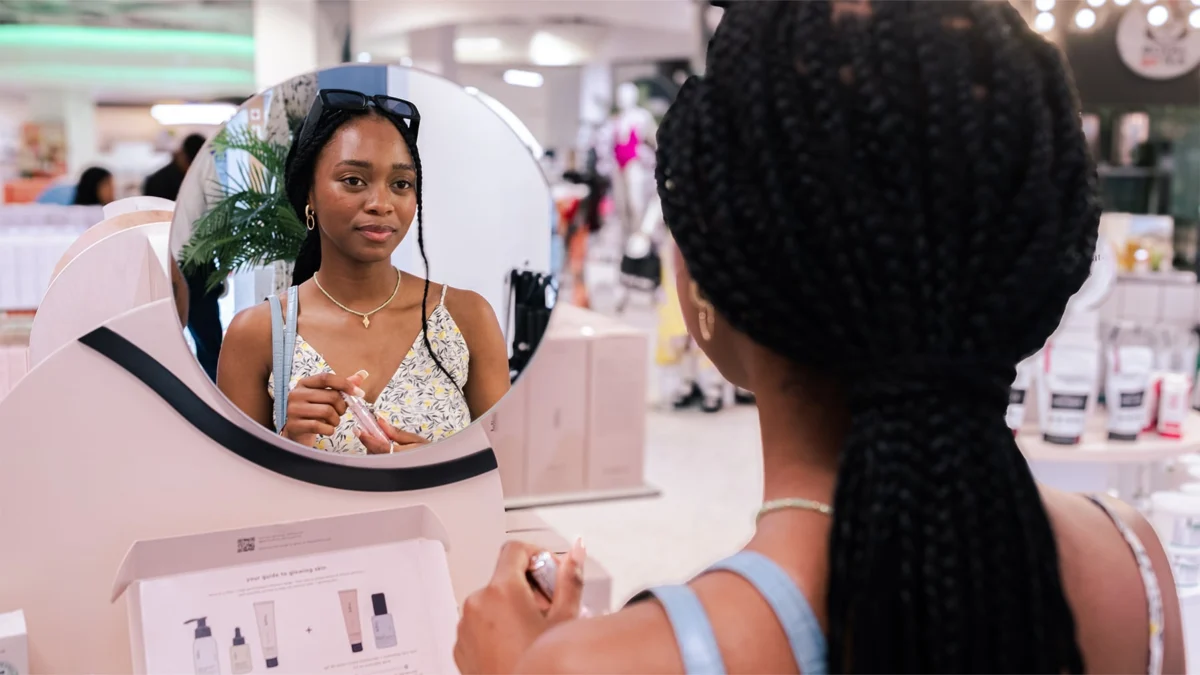
The retail landscape is undergoing a seismic shift, with Generation Z, a demographic defined by its digital fluency and discerning tastes, redefining the very essence of beauty consumption. Far from the monolithic online shopping habits once predicted, this cohort is orchestrating a complex, multi-faceted approach to beauty, where in-store experiences are being revitalized, augmented by AI-driven insights, and deeply informed by an insatiable curiosity about product ingredients. This evolving dynamic presents a unique challenge and opportunity for brands, demanding a recalibration of strategies to capture and retain the attention of this influential consumer group. The key to converting fleeting curiosity into enduring loyalty lies not just in product innovation, but in fostering genuine credibility and cultivating robust community engagement.
The Hybrid Approach: Bridging the Digital and Physical Divide
Contrary to the assumption that Gen Z exclusively favors digital channels, a significant and growing trend indicates a strong preference for in-store beauty shopping. This is not a wholesale rejection of e-commerce, but rather an integration of online research and offline discovery. Data from various market research firms consistently highlights this phenomenon. For instance, a recent report by Deloitte indicated that while Gen Z utilizes digital platforms for product research and reviews, a substantial percentage, upwards of 70%, still prefers to make their final beauty purchases in physical retail environments. This preference is attributed to the tactile nature of beauty products – the ability to swatch shades, test textures, and experience fragrances firsthand. Furthermore, the social aspect of shopping, a hallmark of Gen Z’s lifestyle, often finds its most engaging outlet in brick-and-mortar stores.
The journey for a Gen Z beauty consumer typically begins online. Platforms like TikTok, Instagram, and YouTube serve as virtual beauty counters, where influencers and peers share unboxing videos, detailed product reviews, and application tutorials. This digital immersion equips them with a wealth of information, often focusing on ingredient efficacy and ethical sourcing. Armed with this knowledge, they then transition to physical stores, not for passive browsing, but for active validation and a more immersive sensory experience. This hybrid model necessitates a seamless integration of online and offline strategies for brands.
The AI Influence: Personalized Discovery and Informed Choices
Artificial intelligence is playing an increasingly pivotal role in shaping Gen Z’s beauty journey. From personalized product recommendations based on skin type and concerns to virtual try-on tools that allow for digital experimentation with makeup shades, AI is enhancing both the discovery and decision-making processes. Platforms are leveraging AI to analyze vast datasets of consumer preferences, ingredient trends, and demographic information to curate tailored shopping experiences. For example, beauty retailers are deploying AI-powered chatbots that can answer complex ingredient queries, suggest alternative products based on ethical considerations, or even help consumers build personalized skincare routines.
This technological integration extends to the in-store experience as well. Some forward-thinking retailers are experimenting with AI-powered mirrors that can analyze skin health and recommend suitable products, or augmented reality applications that allow shoppers to visualize makeup looks without physical application. This blend of digital intelligence and physical interaction creates a compelling and efficient shopping journey, empowering Gen Z consumers to make more informed and confident purchasing decisions. The ability of AI to demystify complex product formulations and highlight key active ingredients further fuels Gen Z’s demand for transparency and efficacy.
The Ingredient Obsession: A Deep Dive into Efficacy and Ethics
A defining characteristic of Gen Z’s approach to beauty is their profound interest in what goes into their products. Gone are the days of relying solely on brand names or celebrity endorsements. This generation is meticulously scrutinizing ingredient lists, seeking out scientifically backed formulations and demanding transparency from brands. The rise of "clean beauty" has evolved beyond a mere trend to a fundamental expectation. Gen Z consumers are well-versed in the lexicon of skincare and makeup ingredients, understanding the benefits of hyaluronic acid, niacinamide, and retinol, while also being wary of parabens, sulfates, and phthalates.
This ingredient obsession is driven by a desire for efficacy – they want products that deliver visible results. However, it is also intertwined with a strong ethical compass. Concerns about sustainability, animal welfare, and the environmental impact of ingredients are paramount. Brands that can articulate their commitment to responsible sourcing, ethical manufacturing, and environmentally friendly packaging are more likely to resonate with this demographic. This necessitates a significant investment in supply chain transparency and a willingness to educate consumers about the provenance and impact of their products. The proliferation of online resources and educational content dedicated to ingredient deep dives has democratized this knowledge, making it accessible to a broad audience.
The Community Cachet: Cultivating Loyalty Through Connection
In an era where digital interactions are pervasive, the concept of community holds immense value for Gen Z. For beauty brands, this translates into a need to move beyond transactional relationships and foster genuine connections with their consumers. This is where "community cachet" becomes a critical differentiator. Brands that successfully cultivate a sense of belonging, shared values, and authentic engagement are far better positioned to build lasting loyalty.
This community building often begins online, through social media platforms where brands can engage in two-way conversations, respond to feedback, and create user-generated content campaigns. However, it extends to the physical realm as well. In-store events, workshops, and exclusive experiences can transform a retail space into a hub for community interaction. This could involve masterclasses with makeup artists, product launch parties with a focus on interactive elements, or even collaborations with local artists and influencers. The goal is to create spaces where Gen Z consumers feel seen, heard, and valued. Brands that can authentically embody their values and demonstrate a commitment to social responsibility further strengthen this sense of community, as Gen Z is drawn to brands that align with their personal principles.
The Challenge of Credibility: Navigating a Skeptical Audience
While Gen Z is characterized by its curiosity and openness to new brands, it is also a highly discerning and often skeptical audience. The sheer volume of information available to them means that superficial claims or inauthentic marketing tactics are quickly identified and dismissed. For brands, establishing genuine credibility is paramount. This is not merely about having a well-designed product or a slick marketing campaign; it is about demonstrating tangible proof of efficacy, ethical practices, and a deep understanding of consumer needs.
Credibility can be built through a multi-pronged approach. Transparency in ingredient sourcing and manufacturing processes is crucial. Testimonials from dermatologists or scientists, rather than solely from influencers, can lend significant weight. Brands that actively solicit and respond to customer feedback, and visibly incorporate that feedback into product development, also foster trust. Furthermore, a consistent and authentic brand narrative that is reflected across all touchpoints – from product packaging to customer service – is essential. In essence, brands must earn their place in the Gen Z beauty repertoire through consistent delivery of value, integrity, and a genuine commitment to their consumers.
The Future of Beauty Retail: An Integrated and Experiential Ecosystem
The evolving preferences of Gen Z signal a significant departure from traditional retail models. The future of beauty retail will likely be an integrated ecosystem that seamlessly blends the digital and physical, leverages AI for personalization and efficiency, and prioritizes ingredient transparency and ethical practices. Brands that can successfully navigate this complex landscape by fostering authentic communities and establishing unwavering credibility will be the ones that not only capture the attention of Gen Z but also cultivate their enduring loyalty. The mall may indeed be cool again, but it will be a different kind of cool – one that is informed, connected, and deeply rooted in genuine value. The brands that recognize and adapt to this paradigm shift are poised to lead the next wave of beauty innovation and consumer engagement.