Nila Kartika Wati
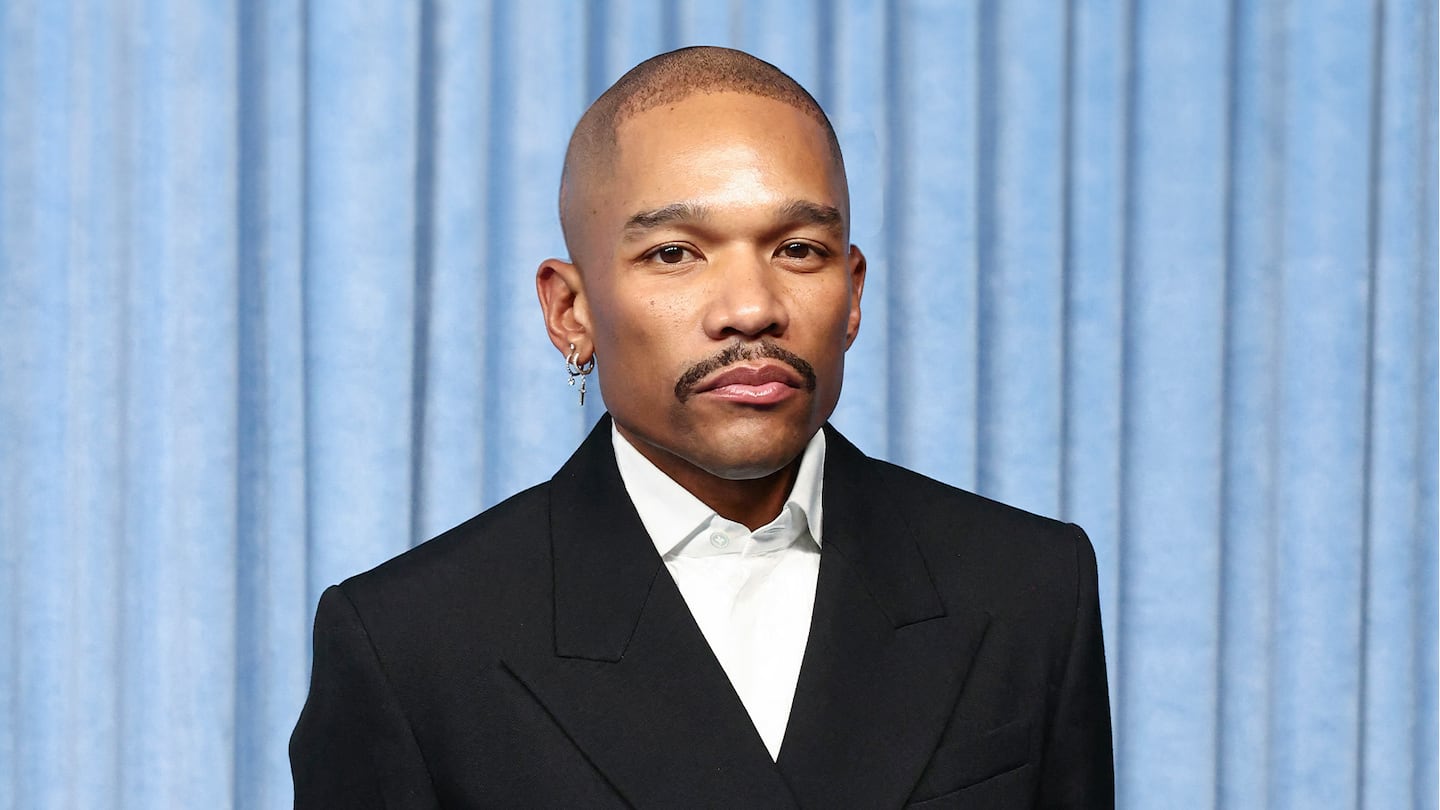
The fashion industry, a realm often perceived as glittering and accessible, can in reality be a labyrinth of unspoken rules and entrenched hierarchies. For those aspiring to make their mark, particularly from backgrounds that don’t align with traditional notions of privilege, the journey can be fraught with challenges. This was a central theme discussed by Carlos Nazario, the New York-based stylist and fashion editor, during a recent interview on the "BoF Podcast" with Imran Amed, founder and CEO of The Business of Fashion. Nazario’s candid conversation shed light on his experiences navigating the class barriers prevalent in early 2000s fashion publishing, the immense logistical undertaking involved in creating compelling visual narratives, and how an individual’s heritage can be transformed into a powerful and defining stylistic perspective.
Nazario’s reflections come at a time when the fashion industry is increasingly scrutinized for its lack of diversity and inclusion, both in terms of representation on runways and within the editorial and corporate structures. The early 2000s, a period Nazario alluded to, were characterized by a more homogenous and often insular publishing landscape. Access to internships, entry-level positions, and networking opportunities were frequently dictated by social circles and educational pedigrees, creating significant hurdles for individuals without those established connections. Nazario’s narrative suggests a personal journey of perseverance and strategic navigation through these obstacles, emphasizing the importance of talent and a clear vision as counterweights to systemic disadvantages.
The Early 2000s Publishing Landscape: A World of Unseen Barriers
The early part of the millennium represented a critical juncture for fashion magazines. While digital media was nascent, print publications held immense sway in shaping trends and defining aspirational aesthetics. Nazario’s recollection of this era paints a picture of an industry where informal gatekeeping was common. He spoke about the subtle, and sometimes not-so-subtle, ways in which class distinctions manifested. These could range from expectations regarding sartorial presentation at industry events to the unspoken understanding of social etiquette and cultural references that were often assumed knowledge among those from privileged backgrounds.
For someone like Nazario, who did not hail from such circles, breaking into these environments required a keen awareness of these dynamics and a proactive approach to bridging any perceived gaps. This often meant going above and beyond in demonstrating not only technical skill but also a deep understanding of the industry’s cultural codes. The sheer effort required to gain a foothold, he implied, was significantly higher for those who did not benefit from inherited advantages. This period, therefore, serves as a stark reminder of the historical inequities that have shaped the fashion world and the ongoing efforts required to dismantle them.
The Gruelling Logistics of Image-Making: From Concept to Creation
Beyond the initial entry into the industry, Nazario delved into the demanding nature of his role as a stylist and fashion editor. He underscored the often-underestimated complexity and sheer logistical effort involved in translating a creative vision into a tangible editorial image or campaign. This process, he explained, is far from the glamorous perception often portrayed. It involves meticulous planning, extensive coordination, and the ability to manage a multitude of moving parts under tight deadlines.
The creation of a fashion shoot, whether for a magazine editorial or a brand campaign, is a collaborative undertaking that requires the seamless integration of various creative professionals. Nazario highlighted the crucial roles of photographers, set designers, hair and makeup artists, and models, all of whom must work in concert to achieve the desired aesthetic. He spoke about the challenges of sourcing garments, often from multiple designers and showrooms, ensuring they arrive on time and in perfect condition. The weather, travel arrangements, permits for locations, and the precise timing of each shot all contribute to a complex operational puzzle.
Nazario’s commentary suggests that a successful stylist is not only a curator of style but also a highly effective project manager. The ability to anticipate potential problems, find creative solutions on the fly, and maintain a calm and focused demeanor amidst the pressure are paramount. He alluded to the physical and mental demands of long days on set, often involving travel to remote locations or working in challenging environments. This aspect of his work, he conveyed, is a testament to the dedication and resilience required to excel in the high-stakes world of fashion image-making.
Heritage as a Stylistic Point of View: Embracing Identity
A particularly resonant theme in Nazario’s discussion was the evolution of heritage from a potential point of perceived difference to a deliberate and powerful stylistic advantage. In a globalized fashion industry that increasingly values authenticity and diverse cultural narratives, Nazario’s embrace of his own background offers a compelling case study. He articulated how integrating elements of his personal history and cultural identity into his work has not only enriched his creative output but also allowed him to connect with audiences on a deeper, more meaningful level.
This approach involves a nuanced understanding of how to draw inspiration from cultural traditions, historical references, and personal experiences without resorting to superficial appropriation. Nazario’s perspective suggests that true stylistic innovation often stems from a deep well of personal identity. By thoughtfully incorporating these elements, he is able to imbue his work with a unique sensibility that distinguishes it from more generic or trend-driven aesthetics. This also aligns with a broader industry shift towards celebrating and amplifying voices and perspectives that have historically been marginalized.
The implications of this approach are significant. For aspiring creatives from diverse backgrounds, Nazario’s example provides a blueprint for embracing their heritage as a source of strength and creativity. It challenges the notion that one must assimilate to a dominant cultural narrative to succeed in fashion. Instead, it champions the idea that authentic self-expression, informed by one’s roots, can lead to a more impactful and enduring contribution to the fashion discourse. This perspective is particularly relevant in an era where brands and publications are increasingly seeking to connect with diverse consumer bases and foster a sense of inclusivity.
The Evolving Landscape and Future Implications
The insights shared by Carlos Nazario on the "BoF Podcast" offer a valuable lens through which to examine the current state and future trajectory of the fashion industry. His journey from navigating class barriers in early 2000s publishing to becoming a respected stylist and editor underscores the progress made in some areas, while also highlighting the persistent need for greater equity and access. The evolution of his work, from overcoming initial hurdles to leveraging his heritage as a stylistic advantage, reflects a broader industry maturation towards valuing authenticity and diverse perspectives.
The logistical demands of image-making, as described by Nazario, serve as a reminder of the intricate and often unseen labor that underpins the aspirational imagery of fashion. This understanding is crucial for appreciating the dedication and expertise required to produce high-quality editorial content. As the industry continues to grapple with issues of representation and inclusivity, Nazario’s contributions and reflections provide a powerful example of how embracing one’s identity can lead to a distinctive and influential voice.
The broader implications of Nazario’s narrative extend beyond the fashion industry itself. His experiences resonate with the ongoing conversations about social mobility, access to opportunity, and the power of individual vision in overcoming systemic challenges. As the fashion world continues to evolve, embracing the lessons learned from figures like Carlos Nazario will be crucial in fostering a more equitable, diverse, and ultimately, more creative future. The ability to translate personal heritage into a compelling style point of view, coupled with the resilience to navigate industry complexities, offers a potent formula for lasting impact. The ongoing dialogue, facilitated by platforms like The Business of Fashion, is essential for both acknowledging past challenges and charting a more inclusive path forward.