Johny Marice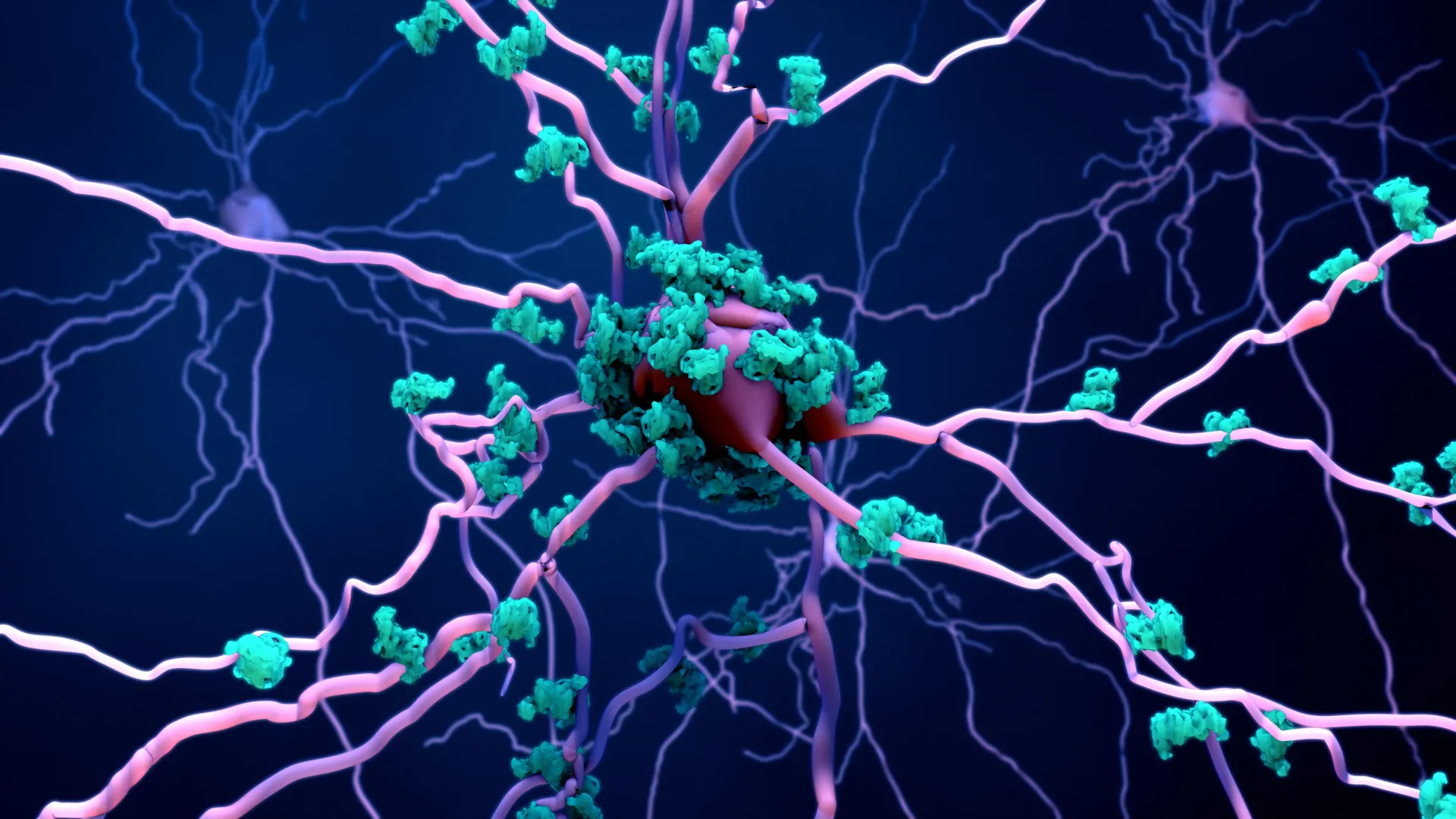
Scientists have identified evidence of a previously unknown process that may explain how brain cells die in Alzheimer’s disease and frontotemporal dementia (FTD). The discovery, centered on a mechanism known as karyoptosis, could point researchers toward new ways to slow the progression of these devastating conditions. This groundbreaking research, a decade in the making, offers a vital new perspective on the complex cellular mechanisms underlying neurodegeneration, potentially paving the way for novel therapeutic interventions.
The Unseen Culprit: Karyoptosis and Neurodegeneration
For decades, the scientific community has grappled with the intricate puzzle of neuron loss in neurodegenerative diseases such as Alzheimer’s disease (AD), frontotemporal dementia (FTD), and amyotrophic lateral sclerosis (ALS). A common hallmark of these conditions is the insidious accumulation of misfolded and toxic proteins within neurons. While the consequences—memory loss, cognitive decline, and motor impairments—are well-documented, the precise mechanisms by which these protein aggregates trigger cell death have remained incompletely understood. Existing models of programmed cell death, primarily apoptosis, have proven insufficient to fully account for the widespread neuronal attrition observed in these debilitating diseases.
Now, a landmark study led by researchers at King’s College London, in collaboration with the UK Dementia Research Institute and with crucial support from Alzheimer’s Research UK, has brought a new player to the forefront: karyoptosis. This newly identified form of cell death is proposed as a critical missing link, bridging the gap between the accumulation of toxic proteins and the ultimate demise of brain cells.
Karyoptosis, as defined by this research, is a complex cascade of biochemical reactions initiated when aberrant proteins aggregate within a neuron. The process is characterized by a gradual degeneration and fragmentation of the cell’s nucleus—the vital organelle housing the cell’s genetic blueprint—culminating in its complete disintegration. This nuclear breakdown represents a distinct mode of cell death, separate from the more widely studied apoptosis.
Evidence Uncovered in Diseased Brain Tissue
The compelling evidence for karyoptosis emerged from an extensive analysis of brain tissue samples. The research team meticulously examined over 3,000 individual brain cells sourced from 28 individuals who had either FTD or end-stage Alzheimer’s disease. Employing sophisticated computational algorithms, these researchers were able to differentiate and quantify various forms of cell death occurring within these samples.
The findings were striking. In the frontal cortex of individuals with Alzheimer’s disease, signs of karyoptosis were detected in a significant 35 percent of analyzed cells. In stark contrast, only a mere 15 percent of cells from the frontal cortex of age-matched healthy individuals exhibited indicators of this specific cell death pathway. This marked disparity strongly suggests a direct correlation between the presence of Alzheimer’s pathology and the activation of karyoptosis. Similar patterns, though not detailed in this specific excerpt, are also anticipated in FTD, given the shared pathological features of protein aggregation.
Dr. Manolis Fanto, a Reader in Functional Genomics at King’s College London’s Institute of Psychiatry, Psychology and Neuroscience, highlighted the significance of this finding, stating, "This study is the culmination of a 10-year journey at King’s, from when we first identified karyoptosis in a relatively rare disease to discovering that it is a common feature of dementias which affect millions of people." This statement underscores the extensive research effort and the unexpected breadth of karyoptosis’s involvement in neurodegenerative conditions. The initial identification of karyoptosis in a rarer condition provided the foundational understanding, which has now been extrapolated to explain a fundamental aspect of more prevalent and devastating dementias.
Mapping the Molecular Machinery of Karyoptosis
Beyond simply identifying karyoptosis, the researchers delved deeper to uncover the molecular underpinnings of this destructive process. They identified a key molecular pathway that appears to orchestrate karyoptosis, revealing that the forced aggregation of proteins within neurons—a defining characteristic of many neurodegenerative diseases—can directly trigger this pathway.
The study elucidates that the destabilization of the nuclear membrane is a pivotal event in karyoptosis. The accumulation of toxic proteins exerts stress on this crucial cellular boundary, leading to its gradual shrinkage and eventual disintegration. This breakdown of the nucleus, with its precious genetic cargo, would inevitably lead to the death of the neuron.
Crucially, the team focused their attention on a class of proteins known as kinases. Kinases act as molecular switches, regulating a vast array of cellular processes through phosphorylation. In this context, the researchers found that specific kinases play a critical role in initiating and propagating the karyoptosis cascade.
Through meticulous laboratory experiments involving rat neurons, the researchers demonstrated that by inhibiting these kinases, they could significantly reduce the markers associated with karyoptosis. This intervention offered a tangible glimpse into potential therapeutic avenues. Notably, the interaction between a specific kinase, p38 MAP kinase, and the protein LaminB1 emerged as a particularly promising target. LaminB1 is a component of the nuclear lamina, a protein meshwork that provides structural support to the nucleus. Disruptions in LaminB1 are known to compromise nuclear integrity.
The implications of this discovery are profound. The ability to selectively target the interaction between p38 MAP kinase and LaminB1 could offer a novel strategy for slowing or even halting the progression of nuclear breakdown and subsequent neuronal death in dementia.
Dr. Fanto further elaborated on this therapeutic potential: "By specifically targeting the interaction between p38 MAP kinase and LaminB1 we may slow down the process of cell death, buying time for more pinpointed therapies against specific neurodegenerative diseases." This suggests that interventions aimed at this specific pathway might not only mitigate cell loss but also create a crucial therapeutic window, allowing other, more targeted treatments to be more effective.
A Road Map for Future Dementia Therapies
The identification and characterization of karyoptosis represent a significant stride forward in the fight against dementia. The death and subsequent loss of brain cells are the primary drivers of the debilitating symptoms experienced by millions of individuals worldwide.
Dr. Rebecca Casterton, a Senior Researcher at the UK Dementia Research Institute at King’s and the study’s first author, emphasized the broader impact of their findings: "The death and loss of cells in the brain drives many symptoms experienced by people living with dementia. Our study uncovers a new series of chemical events which can coordinate cell death in brain cells. We have started to lay out the road map of how karyoptosis works, and I’m excited to see future breakthroughs this may drive in the dementia research community and beyond." Her statement highlights the foundational nature of this research, providing a crucial map that other researchers can now follow to develop innovative therapies.
The long-standing mystery of how toxic protein buildup leads to neuronal death has been a major hurdle in developing effective treatments. Dr. Sara Rodrigues, Senior Research Manager at Alzheimer’s Research UK, articulated this challenge and the importance of the current discovery: "For decades, we’ve known that toxic proteins build up in Alzheimer’s disease and frontotemporal dementia, but exactly how they lead to the loss of brain cells has remained unclear. The identification of karyoptosis is a crucial step towards finding targets for treatments that could stop or slow cell loss. It could help widen the window for therapies that tackle the underlying causes of disease, bringing us closer to a cure for dementia. This is why Alzheimer’s Research UK funds and supports research." Her words underscore the critical role of fundamental research in advancing the understanding of complex diseases and ultimately bringing the field closer to a cure.
Chronology of Discovery and Future Directions
The journey leading to the identification of karyoptosis as a key player in dementia began approximately a decade ago. Initial investigations at King’s College London focused on understanding novel mechanisms of cell death. This early foundational work, likely involving the study of rarer neurological conditions or specific cellular stress responses, laid the groundwork for the broader application of the karyoptosis concept.
The subsequent decade saw the progressive refinement of experimental techniques, including the development and application of advanced computational tools for cell analysis. This technological advancement was instrumental in enabling the researchers to analyze the vast amount of data generated from the brain tissue samples.
The culmination of this decade-long effort is the publication of the study, "Karyoptosis mediates cell death and neurodegeneration upon proteotoxic stress," in the esteemed scientific journal Nature Communications. This peer-reviewed publication signifies the rigorous validation of the research findings by the scientific community.
Looking ahead, the research team’s immediate goal is to translate these laboratory findings into tangible therapeutic strategies for human application. The next critical phase will involve developing methods to selectively target the interaction between p38 MAP kinase and LaminB1 within the human brain. This will likely involve extensive drug discovery and development processes, including preclinical testing and, eventually, clinical trials.
Broader Implications and Impact
The implications of this research extend beyond Alzheimer’s and FTD. While the study specifically highlights its role in these conditions, the fundamental mechanism of karyoptosis, driven by protein aggregation and nuclear instability, could potentially be implicated in other neurodegenerative disorders characterized by similar pathological features. This could include conditions such as Parkinson’s disease and Huntington’s disease, although further research would be needed to confirm this.
The discovery also reinforces the critical importance of understanding fundamental cellular processes. By unraveling the intricate pathways of cell death, scientists gain invaluable insights into the mechanisms of disease and identify novel targets for intervention. This fundamental knowledge is the bedrock upon which future medical breakthroughs are built.
The collaborative nature of this research, involving multiple institutions and significant funding from organizations like Alzheimer’s Research UK and the Biotechnology and Biological Sciences Research Council, exemplifies the power of collective scientific endeavor. Such partnerships are essential for tackling complex global health challenges.
In conclusion, the identification of karyoptosis as a significant contributor to brain cell death in Alzheimer’s disease and FTD marks a pivotal moment in neurodegenerative disease research. It offers a new and promising avenue for therapeutic development, providing hope for millions affected by these devastating conditions and reinforcing the vital role of fundamental scientific inquiry in addressing critical unmet medical needs. The detailed mapping of this novel cell death pathway provides a clear roadmap for future research and the development of targeted therapies that could potentially slow, halt, or even reverse the progression of these debilitating diseases.