Ana Megawati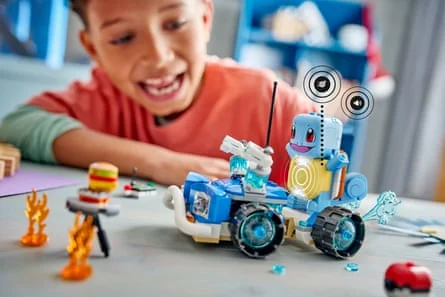
A long-held fantasy for countless Pokémon enthusiasts globally—the dream of becoming a trainer and engaging in dynamic battles with their beloved creatures—has taken a significant step closer to reality. Lego, the world’s largest toy company, has officially unveiled its groundbreaking range of interactive Pokémon sets, powered by advanced motion-sensitive "smart bricks" that imbue iconic characters like Pikachu with unprecedented lifelike sounds and flashing light effects. This innovative fusion of physical construction and interactive play signals a new era for both brands, promising not just static display models but active, responsive engagement that culminates in what can only be described as epic, imaginative battles.
The launch represents a monumental collaboration between two global entertainment titans: The Lego Group, a Danish powerhouse renowned for its interlocking plastic bricks, and The Pokémon Company, the entity behind the highest-grossing media franchise worldwide. This strategic alliance capitalizes on a substantial overlap in their respective fanbases, with Lego’s Chief Marketing and Product Officer, Julia Goldin, highlighting an "80% crossover" between the two fandoms. Both brands share a common appeal to collectors of all ages and boast deeply loyal communities, making this partnership a natural and highly anticipated development.
The Evolution of Interactive Play: Lego’s Smart Brick Technology
Lego’s foray into "smart bricks" is not entirely novel but has been steadily evolving, representing the company’s commitment to integrating cutting-edge technology into its traditional building experience. These motion-sensitive components, first introduced in previous lines such as Lego Super Mario and Lego Hidden Side, have been refined to produce an array of dynamic sound effects, musical cues, and flashing lights. When integrated into specific builds and paired with other sets, these bricks respond to physical actions, allowing children and adults alike to manipulate their creations in ways that trigger pre-programmed or contextual sensory feedback.
The initial implementation of these smart bricks demonstrated Lego’s vision for "phygital" play—a blend of physical and digital interaction designed to enhance immersion without entirely digitizing the core play experience. Early iterations, while innovative, laid the groundwork for the more sophisticated and robust application seen in the new Pokémon sets. This technological advancement allows for a level of interactivity previously unattainable in standard Lego builds, transforming static models into responsive characters ready for action. The ability to adjust volume via an accompanying app also addresses potential concerns regarding repetitive sounds, ensuring a customizable and enjoyable play experience.
Pokémon’s Enduring Legacy: Three Decades of Global Dominance
The Pokémon Company, celebrating its 30th anniversary this year, stands as a testament to sustained global popularity and strategic brand management. What began in 1996 with a pair of role-playing video games for the Nintendo Game Boy has blossomed into a sprawling multimedia empire encompassing animated television series and films, trading card games, manga, merchandise, and a vast array of video game sequels and spin-offs. With a reported total revenue exceeding $100 billion since its inception, Pokémon has consistently outpaced other major franchises, including Star Wars, Hello Kitty, and Marvel, solidifying its position as the world’s most lucrative media property.
Its enduring appeal is multi-generational, captivating new audiences while retaining the loyalty of original fans. The franchise’s core tenets—exploration, collection, training, and battling—have resonated deeply across diverse cultures. In the UK, The Pokémon Company maintains its status as the biggest-selling name in toy stores, a clear indicator of its continued relevance and immense commercial power. This sustained success underscores the powerful cultural cachet Pokémon holds, making any collaboration with such a brand a significant event in the toy industry.
A Strategic Confluence: Uniting Blockbuster Brands

The partnership between Lego and Pokémon is more than just a licensing agreement; it’s a strategic alignment that leverages the inherent strengths and shared values of both brands. Goldin’s "80% crossover" statistic highlights a remarkable synergy, indicating that a vast majority of Lego builders are also Pokémon fans, and vice-versa. Both brands cultivate a strong sense of community, encourage creativity, and thrive on the concept of collection. From rare Lego minifigures to elusive Pokémon trading cards, the thrill of discovery and completion is a powerful driver for their respective consumer bases.
This deep alignment ensures a receptive audience eager to embrace the new offerings. The pre-existing demand was palpable even before the announcement of the interactive sets. Earlier this year, when Lego launched a limited number of traditional, non-interactive Pokémon sets, the websites of both companies experienced temporary crashes due to overwhelming traffic. One particular set featuring the iconic trio of Venusaur, Charizard, and Blastoise quickly became one of the most sought-after collector’s items, despite a premium price tag of nearly £600 on the secondary market. This early success served as a powerful validation of the market’s hunger for Lego Pokémon products, setting the stage for the interactive smart brick line.
Realizing the Trainer’s Dream: Bridging Fantasy and Reality
Central to this collaboration is Lego’s commitment to addressing the core desires of Pokémon fans. Goldin revealed that extensive fan engagement surveys consistently surfaced two primary aspirations: "I just wish they were here in the real world" and "I just want to feel like the trainer." These insights directly informed the development of the smart brick sets, designed to bridge the gap between digital fantasy and physical play.
The interactive bricks enable Lego Pokémon models to "respond to children’s actions," transforming them from static figures into dynamic playmates. This responsiveness allows for unscripted interactions, moving beyond predefined play patterns. As Goldin elaborated, "You are building it with your hands and able to interact with it in multiple different ways that are not preprogrammed." This open-ended interactivity is crucial for fostering imaginative play, allowing children to construct their own narratives and battles, thereby fulfilling the long-held dream of commanding their own Pokémon in the physical world. The tactile experience of building combined with sensory feedback creates a unique and immersive play environment that resonates deeply with the spirit of the Pokémon franchise.
Product Launch and Market Accessibility
The new Pokémon "smart play" sets are slated for a global release in August, though eager fans can already place pre-orders to secure their initial collection. To embark on the interactive journey, consumers will need a starter pack that includes at least one smart brick and two battle-ready Pokémon figures. The most accessible starter packs begin at £60, providing an entry point for many fans. For those who already possess a smart brick from previous Lego interactive lines, a range of expansion sets, which can be paired with an existing smart brick, start at a more affordable price of £13, promoting modularity and encouraging continued engagement with the ecosystem.
The pricing strategy appears designed to cater to both new entrants and existing Lego enthusiasts, facilitating broader adoption of the interactive platform. The range of sets, from individual Pokémon to more complex battle arenas, is expected to expand over time, offering continuous opportunities for collection and creative play, mirroring the core mechanics of the Pokémon universe itself.
Industry Perspectives: Revitalizing Physical Play
The introduction of these interactive sets arrives at a critical juncture for the toy industry, which has witnessed a growing trend towards digital entertainment and screen-based activities. Fredérique Tutt, a global toy industry analyst at Circana, suggests that smart bricks are instrumental in "bringing play back into toys." This perspective highlights a shift away from toys primarily serving as decorative display pieces towards encouraging active, physical engagement. The embedded lights and sound effects are not mere embellishments; they are carefully designed prompts that encourage children to physically interact with their builds, to create motion, simulate battles, and immerse themselves in imaginative scenarios.
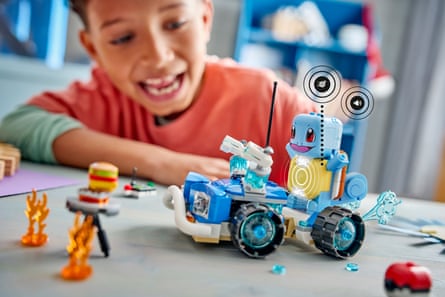
Notably, the Lego Pokémon models feature robust, chunky designs, a deliberate choice that differentiates them from some of the more delicate, display-oriented builds found in other Lego lines, such as certain Star Wars collector sets. This enhanced durability ensures that the Pokémon models are "better equipped to withstand battling," reinforcing their primary function as interactive playthings rather than static collectibles. This design philosophy underscores Lego’s commitment to active play, aligning with expert opinions on the developmental benefits of hands-on interaction.
The Innovation Debate: Technology vs. Imagination
While the integration of technology is lauded by many for its potential to enrich play, it has also sparked a debate among some play experts. Critics occasionally voice concerns that introducing pre-programmed sounds and lights might inadvertently undermine the very essence of Lego’s traditional appeal: harnessing a child’s inherent imagination. The argument posits that too much technological intervention could limit the boundless creativity that has historically been the hallmark of Lego play, potentially leading to less open-ended exploration.
However, Julia Goldin firmly refutes this notion, asserting that the smart bricks are "not taking away from the experience of building." Instead, she views them as "adding another dimension which I know that for children especially is very relevant today." This perspective emphasizes that modern children are growing up in a digitally saturated world, and integrating technology in a meaningful way can enhance, rather than detract from, their play experiences. The smart bricks are designed to provide dynamic feedback that complements the building process, offering a new layer of engagement without dictating the creative narrative. They serve as catalysts for imaginative scenarios, providing sensory cues that spark ideas and encourage more dynamic storytelling.
Future Horizons: Implications for the Toy Industry
The Lego Pokémon interactive sets are poised to have significant implications for both participating brands and the broader toy industry. For Lego, this launch solidifies its position at the forefront of innovative play, demonstrating its ability to evolve traditional construction toys into sophisticated interactive platforms. It paves the way for potential future collaborations with other media franchises that could benefit from similar interactive enhancements, further blurring the lines between physical and digital play.
For The Pokémon Company, the partnership provides a fresh avenue for fan engagement, expanding its merchandise offerings into a highly tactile and creative space that resonates with its core themes. It ensures the brand’s continued relevance and commercial dominance by tapping into new modes of play that appeal to contemporary audiences.
More broadly, this collaboration sets a new benchmark for the interactive toy market. It highlights the growing consumer demand for products that offer rich, responsive experiences that transcend mere novelty. Competitors in the toy sector will undoubtedly observe the market reception closely, potentially leading to a renewed focus on integrating smart technologies into their own product lines. The success of Lego Pokémon "smart play" sets could signal a broader industry trend towards "phygital" toys that actively encourage physical interaction while leveraging digital capabilities to enhance immersion and replayability, ensuring that the magic of play continues to evolve for generations to come.