Ferry Irwandi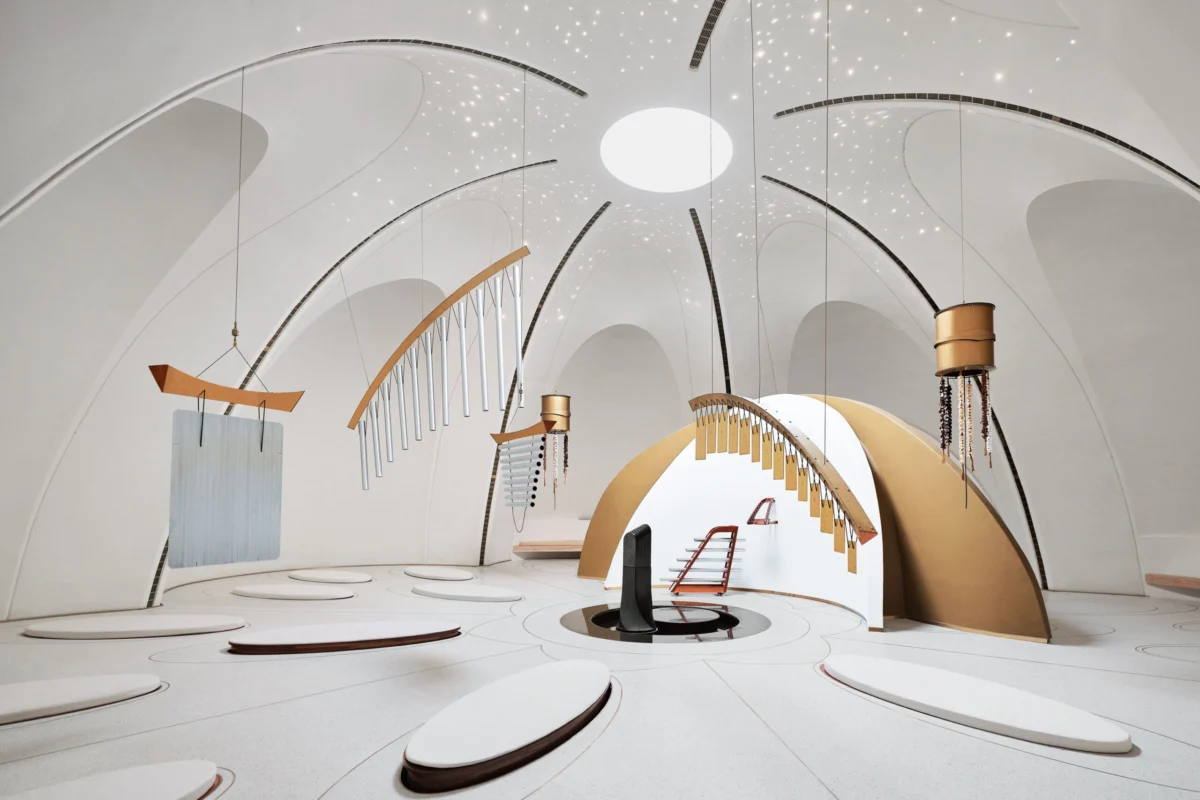
The emergence of Tulāh Clinical Wellness in the coastal city of Calicut, Kerala, marks a significant shift in the global wellness landscape by synthesizing 5,000-year-old Ayurvedic traditions with contemporary allopathic diagnostics. Situated against the backdrop of the Western Ghats—a mountain range stretching nearly 1,000 miles across six Indian states—the 30-acre sanctuary represents a $100 million investment into the "integrated medicine" sector. This facility aims to address the growing demand for evidence-based holistic health, moving beyond traditional spa models to provide a clinical environment capable of addressing chronic conditions, longevity, and preventative care.
The Western Ghats, which overlook the retreat, are recognized by UNESCO as one of the world’s eight "hottest" biodiversity hotspots. The region is home to more than 800 medicinal plants, many of which are integral to the Ayurvedic pharmacopoeia and are increasingly being studied for their applications in modern oncology and immunology. By situating Tulāh within this fertile ecosystem, the facility leverages both the physical environment and the historical expertise of Kerala, often referred to as the cradle of Ayurveda.

The Genesis of an Integrated Vision
The development of Tulāh Clinical Wellness is the result of a personal health crisis experienced by its founder, Faizal Kottikollon, a Kerala-born billionaire industrialist and philanthropist. Kottikollon, the chairman of KEF Holdings, conceived the project after facing a diagnosis of spinal cord compression. When conventional surgeons suggested high-risk surgery as the sole remedy for his persistent neck pain and limb numbness, Kottikollon sought a middle ground. He convened a multidisciplinary team comprising neurologists, physiotherapists, and Ayurvedic physicians to create a collaborative treatment plan.
His recovery, which included specialized Ayurvedic therapies such as massages using muslin bundles of medicated goat meat—a treatment based on the principle that animal proteins similar to human tissue can aid in muscle and nerve nourishment—was eventually validated by follow-up MRI scans showing a reversal of nerve degeneration. This successful integration of disparate medical philosophies became the blueprint for Tulāh, which translates to "balance" in Sanskrit. The project underwent four years of construction, culminating in a campus designed to function as both a high-tech medical center and a contemplative retreat.
Architectural Innovation and Environmental Design
The aesthetic and functional layout of Tulāh was executed by the Dubai-based Lami Architects. The design language heavily reflects the influence of the late Zaha Hadid, known for her "Queen of the Curve" style and parametricism. The central hub of the resort is characterized by futuristic, flowing walls and expansive glass surfaces that frame the surrounding landscape. The campus is designed to facilitate a "wellness journey," with 35 of the 65 guest rooms located within the main building to provide easy access to diagnostic and treatment facilities.

The property features two vast courtyards, one of which houses 80-year-old rain trees, serving as a focal point for reflection. This architectural approach is intended to reduce the "white coat hypertension" often associated with clinical environments, replacing the sterile atmosphere of a traditional hospital with organic shapes and natural light. The 30-acre estate also includes extensive sports facilities, including courts for padel, pickleball, and tennis, as well as a 394-foot swimming pool, emphasizing the role of physical activity in the recovery process.
Advanced Diagnostic Capabilities and the Tulāh Life Index
At the core of the Tulāh experience is a rigorous diagnostic phase that utilizes state-of-the-art medical technology. Unlike many wellness retreats that focus solely on symptomatic relief or relaxation, Tulāh requires guests to undergo a comprehensive health assessment. This includes:
- On-site Imaging and Lab Work: The facility features an on-site MRI, allowing for immediate internal assessments without the need for external hospital transfers.
- Longevity Markers: Guests undergo Dexa scans for bone density and CT calcium scans to measure arterial plaque, providing a data-driven risk assessment for osteoporosis and cardiovascular disease.
- Specialized Therapies: The clinic utilizes shockwave and high-intensity laser therapies for deep-tissue regeneration. It also houses India’s first Exomind, an FDA-approved brain stimulator designed to assist with memory loss, addiction, and depressive disorders.
- Biological Mapping: Genome and microbiome mapping are offered to personalize nutritional and lifestyle interventions based on a guest’s unique genetic makeup.
These data points are fed into the "Tulāh Life Index," a proprietary algorithm that evaluates physical, mental, and emotional health. This index provides guests with a baseline score, which the medical team—consisting of 13 full-time doctors—uses to curate a personalized program. The multidisciplinary team includes Ayurvedic consultants, allopathic physicians, sports scientists, and clinical psychologists, ensuring that every aspect of the guest’s health is monitored through multiple lenses.

Modernizing Ayurvedic Traditions
While the diagnostics are rooted in modern science, the treatments remain deeply connected to Ayurvedic principles. However, Tulāh has modernized the delivery of these ancient cures. In-house design engineers have reimagined the traditional wooden Ayurvedic treatment table, creating a heated Vichy shower bed. This innovation allows therapists to perform traditional four-handed oil massages and subsequently wash the guest in a horizontal position, enhancing the relaxation response and maintaining the body’s thermoregulation.
The retreat also emphasizes the "Sonorium," a sound-healing dome designed for tonal coherence. Equipped with custom-made instruments such as crystal harps and singing bowls, the space is engineered to harness specific sound frequencies to reduce stress and promote meditative states. This focus on sensory wellness extends to the culinary program, where nutritionists design personalized diets that blend Keralan flavors with Mediterranean and Asian influences, all while adhering to the guest’s specific metabolic requirements.
Strategic Integration with Tertiary Care
A critical component of Tulāh’s safety and clinical credibility is its relationship with the Meitra Hospital. Located near the retreat, Meitra is a 220-bed state-of-the-art private hospital also owned by Faizal Kottikollon. Opened in 2017, the hospital provides a tertiary care backup that few wellness retreats can match. Tulāh guests have access to 200 medical specialists, an operating theater, and an intensive care unit (ICU) should their condition require acute intervention. This partnership allows Tulāh to accept guests with more complex medical histories who might be turned away from traditional wellness spas.

Broader Economic and Industrial Implications
The launch of Tulāh comes at a time when the global wellness tourism market is projected to reach $1.3 trillion by 2025, according to the Global Wellness Institute. India, and Kerala in particular, is positioned to capture a significant share of this market. The "Kerala Model" of wellness combines the state’s high literacy rates and robust healthcare infrastructure with its traditional status as a destination for Ayurvedic healing.
The $100 million investment in Tulāh represents a shift toward "high-value" medical tourism. By attracting international guests—with programs such as the 7-night "Soul Realignment" priced at nearly $10,000—the facility contributes to the local economy while setting a benchmark for clinical standards in the region. Furthermore, the integration of digital health tools, including a post-retreat app and wearable technology like the Oura ring, indicates a move toward long-term guest engagement and data-driven health management beyond the duration of the stay.
Analysis of the Integrated Healthcare Model
The Tulāh model suggests that the future of preventative medicine may lie in the reconciliation of traditional and modern practices. While allopathic medicine excels in diagnostics and acute care, it often lacks the holistic, lifestyle-oriented focus of Ayurveda. Conversely, traditional practices can benefit from the validation and precision of modern imaging and laboratory testing.

By placing Ayurvedic doctors and allopathic consultants in constant liaison, Tulāh attempts to eliminate the siloed approach to health. The inclusion of unconventional fields such as oral microbiome dentistry and clinical psychology as standard components of a wellness check-up reflects an evolving understanding of health as a multifaceted, interconnected system. While the facility’s location near industrial boundaries and transportation hubs presents minor environmental challenges, the depth of its clinical offerings positions it as a significant player in the international medical wellness arena.
As the facility continues to refine its operations, the Tulāh Life Index and its accompanying digital ecosystem will likely serve as a case study for how luxury hospitality can be successfully merged with rigorous clinical oversight to produce measurable health outcomes. In a post-pandemic world where longevity and immune resilience have become primary concerns for global travelers, the integrated approach pioneered in the hills of Kerala may become the new global standard.