Ferry Irwandi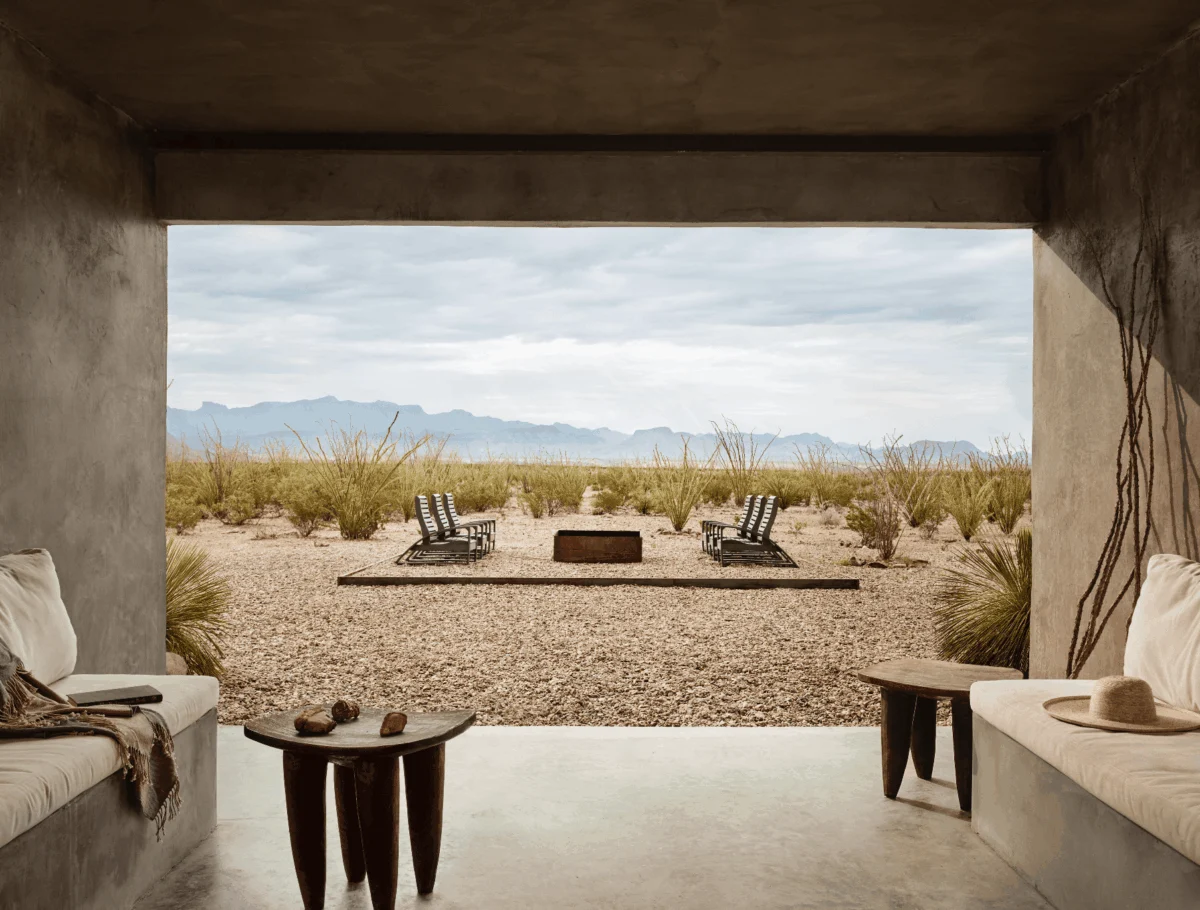
The United States National Park System, encompassing 63 protected areas across the country, serves as a cornerstone of American conservation and tourism. While these parks are traditionally associated with rugged backcountry camping and modest rustic cabins, a significant shift in hospitality trends has introduced a tier of luxury and boutique accommodations that redefine the outdoor experience. These establishments, ranging from historic grand lodges built by 20th-century railroads to contemporary "glamping" outposts and high-end desert retreats, provide a critical bridge between the preservation of wilderness and the demand for sophisticated travel amenities. Staying within or immediately adjacent to a national park offers visitors more than logistical convenience; it provides an immersive environment where natural landmarks—such as the granite peaks of the Tetons or the red rock canyons of Zion—are accessible directly from one’s living quarters.
The Evolution of National Park Hospitality
The history of national park lodging is inextricably linked to the expansion of the American frontier and the development of the transcontinental railroad system. In the late 19th and early 20th centuries, companies such as the Northern Pacific Railway and the Atchison, Topeka and Santa Fe Railway recognized that to attract wealthy tourists to the remote West, they needed to provide accommodations that rivaled the luxury of European grand hotels. This era gave birth to "Parkitecture," an architectural style characterized by the use of native materials like oversized logs and local stone to harmonize buildings with their natural surroundings.

The chronology of these developments highlights a long-standing commitment to high-end hospitality in the wild:
- 1904: The opening of the Old Faithful Inn in Yellowstone National Park. Designed by Robert Reamer, it remains one of the largest log structures in the world and established the aesthetic for future park lodges.
- 1905: The El Tovar Hotel opened on the South Rim of the Grand Canyon, blending Swiss chalet and Mission Revival styles to cater to the elite travelers of the Santa Fe Railway.
- 1927: The Ahwahnee (formerly the Majestic Yosemite Hotel) was completed in Yosemite National Park, designed specifically to attract influential visitors who could advocate for the park’s funding and protection.
- 1960s: The National Park Service (NPS) initiated "Mission 66," a ten-year program to modernize facilities and accommodate the post-war boom in car tourism, leading to more contemporary, mid-century designs.
- 21st Century: The emergence of "glamping" and boutique luxury, such as the Willow House near Big Bend or the Under Canvas outposts, which prioritize minimalist design and environmental integration.
Statistical Overview of National Park Tourism
The demand for high-quality lodging is driven by record-breaking visitation numbers across the NPS system. According to data from the National Park Service, the economic impact of these visitors is substantial. In 2023, the NPS reported that over 325 million visitors spent an estimated $26.4 billion in local gateway communities. This spending supported 374,400 jobs and had a total economic output of $52.4 billion for the U.S. economy.
The popularity of specific parks dictates the scarcity and value of nearby luxury accommodations. Great Smoky Mountains National Park consistently leads as the most-visited park, recording over 11.5 million visitors annually. Following the Smokies, Zion National Park and Yellowstone National Park attract approximately 4.98 million and 4.76 million visitors respectively. The Grand Canyon, while often fourth or fifth in raw numbers, remains the most "culturally iconic" destination, maintaining a high demand for its historic rim-side hotels.
Premier Accommodations and Regional Highlights
The Mountain West: Grand Teton and Yellowstone
In Wyoming, the hospitality landscape is dominated by a mix of historic charm and modern five-star service. Grand Teton National Park features properties like the Jenny Lake Lodge, which offers a "refined rustic" experience with private cabins and gourmet dining. Nearby, just outside the park boundaries in Jackson Hole, resorts like Amangani and the Four Seasons Resort Jackson Hole provide ultra-luxury options that cater to travelers seeking spa services and fine wine after a day of hiking or skiing. In Yellowstone, the Lake Yellowstone Hotel—with its colonial revival architecture and yellow facade—offers a stark, elegant contrast to the geysers and thermal features nearby.
The Northeast: Acadia National Park
Acadia National Park in Maine is unique for its integration with the town of Bar Harbor. Here, the hospitality focus is on historic inns and seaside estates. The Claremont Hotel, which recently underwent a massive renovation, offers heated pools and views of Somes Sound, bridging the gap between a classic New England summer retreat and a national park adventure. The Jordan Pond House remains a critical historic site within the park, famous for its popovers and tea service since the late 1800s.
The Southeast: Great Smoky Mountains
The Great Smoky Mountains have seen a surge in "elevated" outdoor stays. Beyond the traditional campsites, the region now hosts luxurious treehouses and high-end mountain lodges that utilize the dense forest canopy to provide privacy. Properties like Blackberry Mountain (a sister property to the famed Blackberry Farm) offer a holistic wellness approach to the park experience, featuring guided "forest bathing," rock climbing, and farm-to-table gastronomy.

The Southwest: Big Bend and Zion
In the high desert of West Texas, Big Bend National Park’s lodging has been transformed by the arrival of boutique properties like Willow House. This 12-casita retreat focuses on minimalist architecture that frames the Chisos Mountains, proving that luxury in the desert is often defined by silence, space, and stargazing. Similarly, near Zion National Park in Utah, the rise of luxury glamping sites offers visitors the chance to sleep in safari-style tents equipped with king-size beds and en-suite bathrooms, located just minutes from the park’s iconic Virgin River.
Official Responses and Sustainability Efforts
The National Park Service manages these lodging options through a system of "concessionaires"—private companies such as Xanterra Travel Collection and Delaware North that operate the hotels under strict federal guidelines. In recent statements, the NPS has emphasized the "Visitor Experience and Resource Protection" (VERP) framework, ensuring that the modernization of hotels does not come at the cost of ecological integrity.
Industry leaders in the luxury sector have also responded to the growing "green tourism" trend. Many new developments near national parks now seek LEED (Leadership in Energy and Environmental Design) certification. For instance, the expansion of lodging near the Grand Canyon has focused on water reclamation and solar energy, vital in the arid Southwest. Concessionaires have also moved toward eliminating single-use plastics and sourcing ingredients from local agricultural corridors to reduce the carbon footprint of park dining.

Broader Impact and Market Implications
The proliferation of luxury lodging in and around national parks reflects a broader shift in the travel industry toward "experiential luxury." Modern travelers are increasingly willing to pay a premium for access to nature, provided that access is paired with comfort. This has led to the "gentrification of the outdoors," a phenomenon that brings both economic benefits and social challenges.
From an economic perspective, high-end lodges increase the tax revenue for gateway counties and provide year-round employment in regions that were previously seasonal. However, the high cost of these accommodations—often exceeding $500 to $1,000 per night during peak season—has raised concerns about the accessibility of national parks. While the parks themselves remain public land, the ability to stay comfortably within them is becoming increasingly stratified.
Furthermore, the "Instagrammability" of boutique hotels like those near Joshua Tree or Zion has influenced park visitation patterns. Social media-driven tourism has led to "overtourism" in specific "photo-op" locations, prompting the NPS to implement reservation systems in parks like Arches and Rocky Mountain. The lodging industry has responded by creating "destination-within-a-destination" resorts, where guests are encouraged to enjoy the amenities of the hotel property, thereby mitigating some of the foot traffic on the most popular trailheads.

Conclusion
The evolution of national park hotels from basic shelters to architectural masterpieces and luxury retreats represents a significant chapter in American travel. As the National Park Service moves further into its second century, the balance between preserving the "wild" and providing world-class hospitality will remain a central theme. Whether it is a historic stay at the Old Faithful Inn or a modern night in a glass-walled casita in Big Bend, these accommodations ensure that the splendor of the American wilderness remains accessible to those who seek both adventure and refinement. The ongoing investment in these properties suggests that the future of national park tourism lies in a diverse array of options that honor the heritage of the land while meeting the sophisticated demands of the modern global traveler.