
 Prabowo Widodo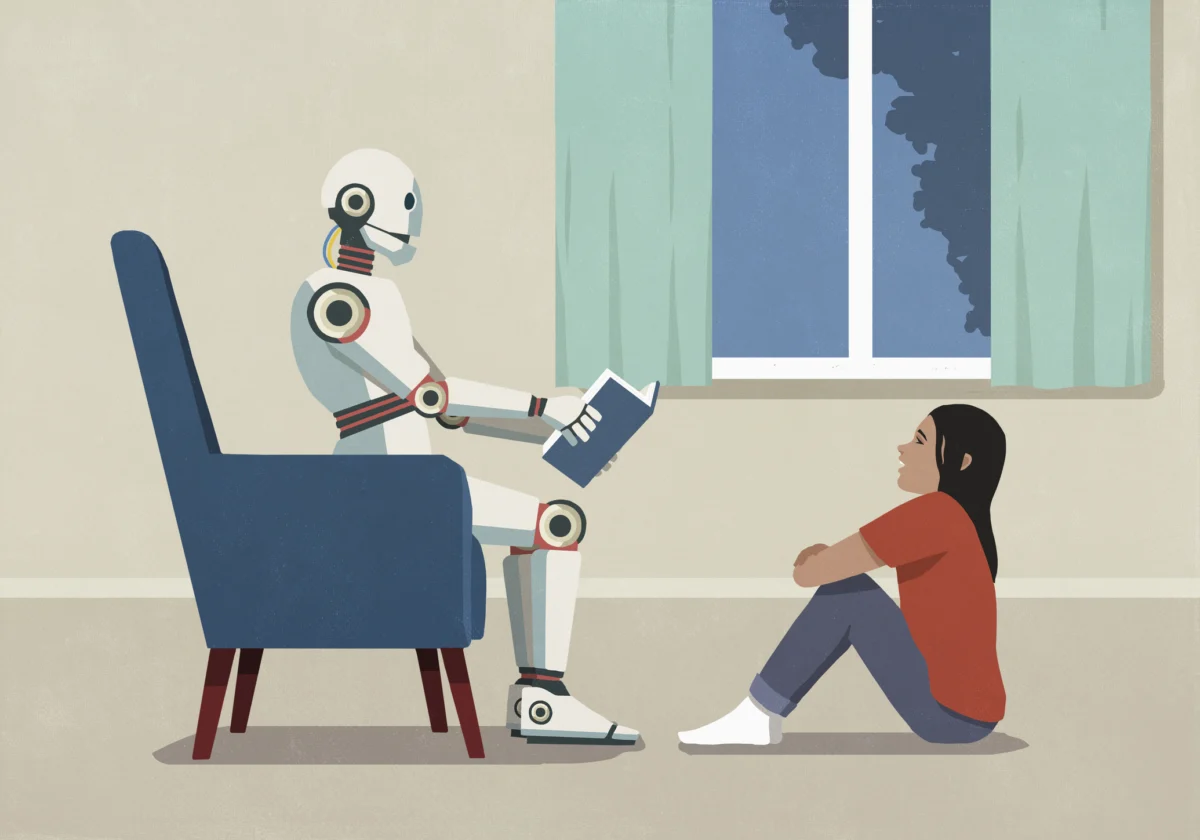
Meta Platforms, Inc. has entered the burgeoning field of artificial intelligence-powered creative applications with the discreet pilot launch of StoryKit, an AI storytelling app designed to generate personalized children’s stories complete with custom characters, settings, moral lessons, and musical accompaniments. The application, currently undergoing testing in select international markets, promises a seamless experience for parents, assuring them that they "don’t need to write a single word" to craft engaging narratives for their children. This development, first identified by 9to5Mac and subsequently confirmed by Meta to TechCrunch, marks a significant step in the company’s broader AI strategy, simultaneously raising profound questions about the evolving role of technology in fostering imagination and strengthening human connections.
The Genesis and Features of StoryKit
StoryKit’s emergence into public view began when it was discovered in the App Store, an observation quickly corroborated by industry watchers. Meta, a titan in social media and virtual reality, officially described StoryKit as a "creative storytelling app used to craft personalized, imaginative storybooks for children." The company emphasized its commitment to safety, noting the integration of "AI safety filters" and the absence of "social features," with access restricted to users aged 18 and above. This age restriction is a critical safeguard, aiming to ensure that the primary users interacting with the AI are adults responsible for children, rather than children directly engaging with the generative AI.
The app’s core functionality revolves around a user-friendly interface that guides parents through the story creation process. The initial step involves selecting or creating a protagonist. According to the App Store description, users can "snap a photo of their favorite toy or person to bring them to life" as a story character, adding a unique layer of personalization that leverages visual AI capabilities. Following character selection, parents are prompted to describe the desired world or setting for the narrative, allowing for imaginative backdrops ranging from enchanted forests to distant galaxies. A crucial element of StoryKit’s design is the inclusion of customizable moral lessons. Parents can choose to "weave in values like kindness, courage, or empathy without it feeling like a lecture," thereby integrating educational and ethical dimensions into the entertainment. The stories are further enhanced with AI-generated musical scores, designed to complement the narrative’s tone and pace, creating an immersive auditory experience for young listeners. This comprehensive approach aims to deliver a full-fledged story experience, from visual character representation to thematic depth and atmospheric sound.
Meta’s Broader AI Ambitions and Context
StoryKit is not an isolated experiment but rather fits within Meta’s aggressive and expansive push into artificial intelligence across its product ecosystem. Over the past several years, Meta has heavily invested in AI research and development, culminating in the release of powerful large language models (LLMs) like Llama, as well as AI assistants integrated into its social platforms (Facebook, Instagram, WhatsApp) and hardware (Meta Quest, Ray-Ban Meta smart glasses). The company’s vision extends beyond mere utility, seeking to embed AI into creative processes, communication, and even the fabric of its metaverse ambitions.
This drive has seen Meta experiment with various AI-powered features, some met with public scrutiny, such as Instagram deepfake generators or its earlier attempts at virtual reality work meetings. The introduction of StoryKit, therefore, represents a strategic pivot towards leveraging generative AI for a family-oriented, creative application, distinct from its social networking or enterprise tools. By targeting children’s entertainment and education, Meta is tapping into a market segment with significant potential for growth and influence, while simultaneously navigating the complex ethical landscape associated with AI and child development. The company’s emphasis on "AI safety filters" and restricted access for adults underscores its awareness of these sensitivities, reflecting a cautious approach to deploying generative AI in a family context, likely informed by past public reactions to its technology.
The Children’s Digital Content Market and AI Integration
The launch of StoryKit occurs amidst a booming global market for children’s digital content and educational technology. Reports from market research firms consistently show substantial growth in this sector. For instance, the global children’s app market was valued at approximately $15 billion in 2022 and is projected to reach over $30 billion by 2030, with a compound annual growth rate (CAGR) exceeding 10%. This growth is driven by increasing smartphone penetration, parental demand for educational and entertaining content, and the rising adoption of digital tools in early childhood education.
Within this landscape, AI is increasingly finding applications. From personalized learning platforms that adapt to a child’s pace and style to interactive storytelling apps that respond to user input, AI offers unprecedented opportunities for customization and engagement. Data suggests that a significant percentage of parents are already using apps and digital media to supplement their children’s learning and entertainment. A 2023 survey by Common Sense Media indicated that children aged 0-8 spend an average of over two hours per day with screen media, with educational apps and video content forming a considerable portion of this. StoryKit aims to carve out a niche within this vibrant market by offering a unique blend of personalization and narrative generation, distinguishing itself from static e-books or pre-recorded stories.
However, the integration of AI into children’s creative content also brings forth discussions about quality and authenticity. While AI can generate vast amounts of content quickly, critics often question its capacity for genuine creativity, emotional depth, and nuanced storytelling that traditionally define cherished children’s literature. The ability of AI to truly understand and convey complex human values and emotions, rather than merely calculating "the most predictable response to a prompt," remains a central point of contention for many observers of the technology.

Expert Perspectives and Potential Implications
The advent of AI storytelling apps like StoryKit elicits a spectrum of reactions from various stakeholders, including child development experts, educators, parents, and AI ethicists.
Child Development Experts: Many child development specialists emphasize the critical role of imaginative play and traditional storytelling in a child’s cognitive, linguistic, and emotional development. Dr. Sarah Jenkins, a developmental psychologist specializing in early childhood education (name inferred), notes, "Storytelling is not just about receiving information; it’s an active process of co-creation between the teller and the listener. It fosters language skills, empathy, problem-solving, and abstract thinking. The nuance of a parent’s voice, the spontaneous detours in a narrative, or the shared laughter over an unexpected twist are invaluable for bonding and creative development." While acknowledging the potential benefits of personalized content and convenience for busy parents, experts express caution regarding the potential for AI-generated stories to diminish the richness of human-led storytelling. Concerns revolve around whether AI-generated narratives can truly replicate the spontaneity, emotional resonance, and unique parent-child interaction that comes from a human telling a story, whether improvised or read from a beloved book. The potential for children to become passive consumers of AI-generated content, rather than active participants in imaginative play, is a significant area of research interest.
Educators: From an educational standpoint, AI-powered tools can be a boon for differentiation and accessibility. A teacher (name inferred) from a primary school curriculum development team might suggest, "StoryKit could be a fantastic tool for parents to engage children who struggle to connect with traditional books or who have very specific interests. The ability to weave in values and personalize characters can make learning more engaging and relatable." However, educators also stress the importance of critical thinking and creative expression. They might caution against over-reliance on AI, advocating for a balanced approach that encourages children to develop their own storytelling abilities and engage with a diverse range of human-authored literature. The role of human-authored books in exposing children to varied writing styles, cultural perspectives, and complex emotional landscapes is considered irreplaceable.
Parents: For parents, the appeal of StoryKit is clear: convenience and customization. In an era where parents lead increasingly demanding lives, an app that can instantly generate a bespoke story to satisfy a child’s imaginative request – "an intergalactic tale about a turtle and a hedgehog who are best friends and solve space mysteries" – offers a compelling solution. The promise of "not needing to write a single word" can alleviate the pressure on exhausted parents. However, many parents also value the intimate moments of reading to their children, seeing it as a cornerstone of bonding and shared experience. The question for them becomes whether an AI-generated story, read from a smartphone, can truly replicate the warmth, connection, and joy derived from a physical book or a spontaneously improvised human narrative. Surveys consistently show that while parents embrace technology, they also express concerns about excessive screen time for children and the potential for digital tools to displace traditional forms of interaction and play.
AI Ethicists: The ethical implications of AI for children are particularly salient. AI ethicists raise concerns about data privacy, especially if children’s photos are uploaded for character creation, even if Meta states the app is for users over 18. There are also questions regarding algorithmic bias, which could subtly influence the narratives, characters, or lessons generated, potentially perpetuating stereotypes or limiting diverse representation, even with safety filters in place. The transparency of AI models, often referred to as "black box" systems, also poses a challenge in understanding how stories are constructed and what underlying biases might exist. Responsible AI development for vulnerable populations like children requires rigorous testing, continuous monitoring, and clear ethical guidelines to prevent unintended negative consequences.
Broader Societal and Cultural Impact
StoryKit’s introduction reignites a long-standing debate about the impact of technology on human creativity and connection. The original article provocatively frames this as "outsourcing humanity’s oldest pastime: using our imaginations." This perspective highlights a fundamental tension: while AI offers efficiency and personalization, it also raises questions about the value of human effort, spontaneity, and the unique spark of individual creativity.
In a broader societal context, the proliferation of AI-generated content in children’s media could reshape the landscape of early childhood education and entertainment. If AI stories become prevalent, what does this mean for the future of children’s authors and illustrators? How might it influence children’s expectations of narrative and creativity? Some argue that AI could democratize storytelling, making personalized content accessible to more families. Others fear a homogenization of narrative, where stories, despite their personalized elements, lack the distinct voice, depth, and unexpected turns that characterize human-authored works.
Furthermore, the implications for parent-child bonding are significant. The act of telling or reading a story is often more than just content delivery; it is a shared ritual, a moment of presence, and an opportunity for emotional attunement. The spontaneous questions, the shared laughter, the comfort of a parent’s voice – these elements are deeply intertwined with the storytelling experience. While StoryKit aims to facilitate this, the medium and the source of the story itself fundamentally alter the dynamic. The challenge lies in ensuring that technology serves to augment these crucial human connections, rather than inadvertently diminishing them.
Ultimately, Meta’s vision for the future, characterized by ubiquitous AI integration, presents a choice for consumers. As the original article concludes, "we can choose not to live in a world where children are raised on bedtime stories written by large language models." This underscores the agency of individuals and families in adopting or rejecting technologies that they perceive as either enhancing or detracting from their desired quality of life and values. The success and long-term impact of StoryKit will hinge not only on its technological prowess but also on how effectively it aligns with the deeply held beliefs of parents and educators regarding imagination, creativity, and the enduring power of human connection in the digital age.









