
 Reynand Wu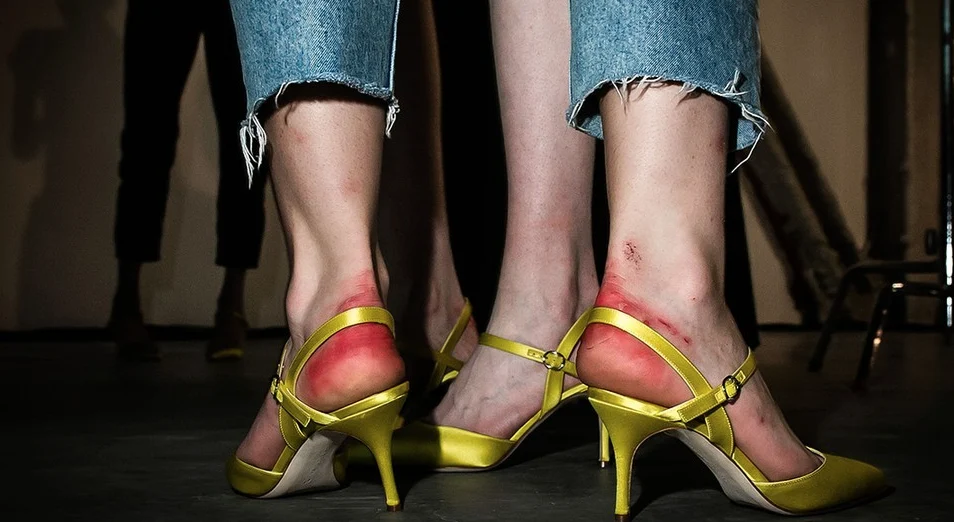
The fashion world was recently gripped by a powerful image captured by photographer Dina Litovsky, depicting a model’s visibly inflamed feet encased in slingback heels, a stark portrayal of the physical toll exacted by high fashion. Shared widely across platforms, including by National Geographic and numerous Instagram influencers, the photograph garnered over half a million likes and a torrent of comments predominantly criticizing the industry’s apparent prioritization of aesthetic over human well-being. This viral moment, however, is not an isolated incident but rather the latest chapter in a recurring narrative that exposes the often-invisible suffering behind the glamour of the runway.
A Recurring Narrative: The History of Pain on the Catwalk
The recent image from Litovsky, known for her candid, often gritty behind-the-scenes glimpses into the fashion world, resonated deeply because it echoed previous controversies. More than a decade prior, in 2012, photographs circulated showing the battered, bruised, and swollen feet of models after Louis Vuitton’s Paris show, sparking a similar wave of public concern. These instances highlight a persistent issue within the industry: the perceived necessity of enduring discomfort, even pain, to fulfill the artistic visions of designers and the demands of high fashion.
Historically, the relationship between footwear and fashion has often been fraught with tension between form and function. High heels, which originated centuries ago as practical riding shoes for men and later became symbols of aristocracy and power, have evolved into a predominantly gendered item, synonymous with elegance, stature, and, frequently, discomfort. From the chopines of 16th-century Venice to the towering platforms of the 1970s and the stilletoes of today, the pursuit of exaggerated silhouettes has consistently pushed the boundaries of ergonomic design, often at the expense of the wearer’s physical comfort and long-term health.
The physical demands placed on models extend far beyond footwear. Long hours of fittings, rehearsals, and shoots, coupled with strict dietary regimes and the pressure to maintain an idealized physique, contribute to an environment where physical endurance is often implicitly, if not explicitly, lauded as a mark of professionalism. Models are frequently required to hold contortionist poses for extended periods, as seen in campaigns for brands like Stella McCartney and Loewe, further demonstrating the industry’s expectation of extreme physical adaptability.
The Model’s Dilemma: Professionalism Versus Personal Well-being
The culture within the fashion industry often dictates that models, particularly those with less established careers or lower industry status, risk being labeled "unprofessional" if they refuse to wear challenging garments or shoes. This power dynamic forces many to prioritize their professional image and potential future bookings over their immediate physical comfort. The implicit message is clear: the ability to endure pain and discomfort is a testament to one’s commitment and a measure of one’s professional worth.
This insidious link between physical suffering and professional status underscores a toxic aspect of the industry. Phrases like "beauty is pain" and "look good, feel good" are not mere clichés; they are cultural constructs that intertwine one’s appearance with their inherent value and capabilities. On the runway, these professional norms can significantly skew a model’s agency, compelling them to make choices that may compromise their well-being in the service of an aesthetic ideal.
The consequences of wearing ill-fitting or extreme footwear are well-documented. Orthopedic specialists consistently warn about the risks associated with high heels, including bunions, hammertoes, nerve damage, stress fractures, and chronic back pain. A 2012 study published in the Journal of Applied Physiology highlighted how wearing high heels regularly can alter the normal gait and calf muscle structure, potentially leading to long-term issues even when not wearing heels. For models, who may wear such shoes for hours on end, often walking on unforgiving surfaces, the risks are amplified, transforming the runway into a literal minefield for their feet and overall musculoskeletal health. The American Academy of Orthopaedic Surgeons reports that high heels are a leading cause of foot and ankle injuries, with emergency rooms treating tens of thousands of related incidents annually in the general population, a figure that undoubtedly has its parallel, albeit often unreported, among professional models.
Sociological Underpinnings: Commodification and Cultural Ideals
The precarious position of models on the runway, teetering between symbols of empowerment and oppression, is a complex sociological phenomenon. They embody evolving cultural ideals of gender, race, class, and sexual identity, simultaneously serving as blank canvases for designers’ visions and living advertisements for aspirational lifestyles. In this process, their personhood is often commoditized, transforming them into "aesthetic laborers."
Sociologist Ashley Mears, in her ethnography Pricing Beauty, meticulously unpacks how these industry ideals become prescriptive, shaping broader cultural expectations of how people should look and behave. Models, despite their seemingly glamorous lives, often experience rigorous and isolating work conditions. The images of their battered feet, while "serving looks" in fashion parlance, also serve as potent reminders of societal beauty expectations that reinforce cultural standards shaped by power, race, and status. The idealized, often unattainable, body types and aesthetic presentations promoted on the runway trickle down, influencing consumer behavior and self-perception.
Beyond the Runway: Societal Echoes and the Pursuit of "Optimization"
The struggle extends far beyond the confines of the fashion industry, permeating the everyday lives of consumers. Essayist Jia Tolentino, in her piece "Always Be Optimizing" from Trick Mirror, draws a compelling connection between pain, suffering, and the modern pursuit of self-optimization. Through her research and personal experience with intense Pilates and barre workouts, Tolentino argues that contemporary gendered beauty ideals have morphed into a relentless quest for optimization, subtly concealing oppressive cultural beauty standards.
These often-painful practices, from extreme workouts to restrictive diets and uncomfortable fashion choices, are frequently re-branded as "self-care" or a means of "improving" one’s physique. The illusion of "agency" in choosing to "optimize" or "sculpt" one’s body masks the underlying pressure to conform to prevailing beauty norms. The pervasive cultural narratives of "look good, feel good" and "beauty is pain" serve to rationalize and justify the aches, pains, and sacrifices made in the pursuit of an idealized appearance. Shoes, in this context, become more than mere coverings for our feet; they are vehicles for conveying and enforcing gendered cultural and societal expectations, standards, and ideals that are often met with praise, regardless of the personal cost.
Industry Dynamics and the Call for Accountability
The repeated emergence of these powerful images begs the question of accountability within the fashion industry. While designers are lauded for their creative vision, and brands chase commercial success, the well-being of the models who bring these visions to life often takes a backseat. The multi-billion dollar global fashion industry, valued at over $2.5 trillion annually, has significant resources, yet investment in model welfare, particularly regarding ergonomic footwear or safer working conditions, often appears secondary to artistic expression.
The ethical considerations for designers, stylists, and show producers are profound. Is the fleeting spectacle of an extreme heel worth the potential long-term damage to a model’s feet? While some might argue for artistic freedom, an increasing number of voices, amplified by social media, are questioning the morality of such choices. Organizations advocating for model rights, such as The Model Alliance, have long highlighted the vulnerabilities of models, including issues of fair compensation, protection from harassment, and safe working environments. The debate around footwear is another facet of this broader struggle for better labor conditions within the industry.
The Power of Social Media and Public Scrutiny
Social media has undeniably played a pivotal role in transforming these individual moments of pain into global conversations. Before platforms like Instagram, the behind-the-scenes realities of modeling largely remained hidden from public view. Now, a single photograph can instantly transcend geographical boundaries, sparking widespread discussion, critique, and even outrage. The viral nature of Litovsky’s photo, much like its 2012 predecessor, demonstrates the democratizing power of social media to hold industries accountable.
The public outcry acts as a crucial feedback loop, pushing brands and designers to reconsider their practices. While the fashion industry is often seen as slow to change, sustained public pressure can initiate shifts. Consumers, increasingly aware of ethical production and labor practices, are beginning to demand more transparency and responsibility from the brands they support.
Looking Ahead: Towards a More Empathetic Fashion Future?
The ongoing debate surrounding models’ feet and the "beauty is pain" paradigm raises critical questions about the future trajectory of the fashion industry. Will designers continue to prioritize extreme aesthetics, or will there be a gradual shift towards more pragmatic, comfortable, and health-conscious designs? Some designers have already begun to incorporate more sensible footwear into their collections, blurring the lines between high fashion and practical wear. The rise of sneakers and flats on high fashion runways, once unthinkable, suggests a nascent movement towards prioritizing comfort without sacrificing style.
Ultimately, the images of models’ inflamed and bruised feet serve as potent symbols of a larger systemic issue. They are not merely photographs of uncomfortable shoes; they are visual testimonies to the enduring pressures within the fashion industry and broader society to conform to often-unrealistic beauty standards. As public awareness grows and calls for greater accountability intensify, the hope is that these painful lessons will eventually lead to a more empathetic, inclusive, and sustainable definition of beauty, one that celebrates well-being alongside aesthetics. The journey towards this future is ongoing, but each viral image serves as a powerful reminder of the work that still needs to be done.








