Reynand Wu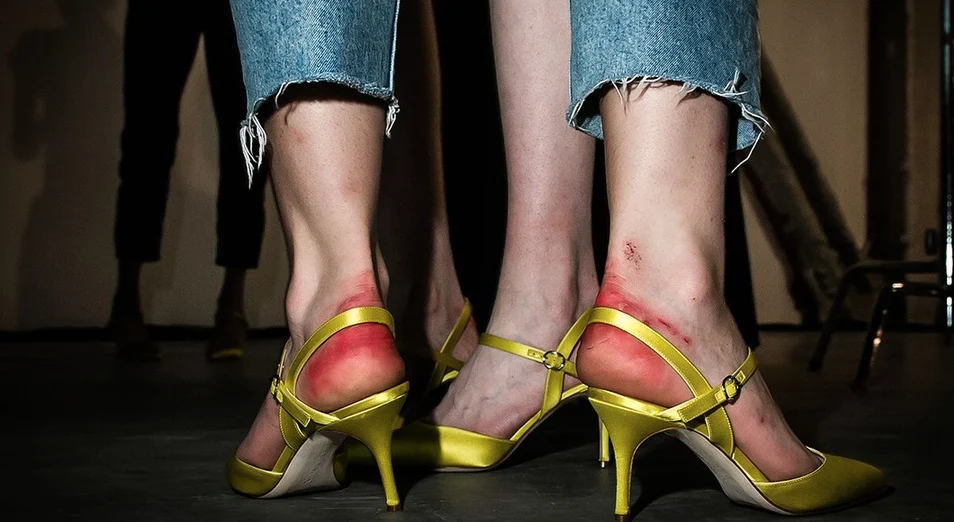
A recent photograph by Dina Litovsky, depicting a model’s visibly inflamed feet squeezed into slingback heels, has rapidly gone viral across social media platforms. The image, shared widely by influential accounts including National Geographic and numerous Instagram personalities, quickly amassed over 500,000 likes and a torrent of comments. The overwhelming public reaction centered on a shared sentiment of dismay and criticism, questioning the fashion industry’s apparent prioritization of aesthetic beauty over the physical well-being of its models. This incident is not an isolated occurrence, but rather a recurring symptom of deeper systemic issues within high fashion. A decade prior, during Louis Vuitton’s 2012 show in Paris, similar images circulated globally, showcasing models’ battered, bruised, and swollen feet, sparking a comparable wave of public concern regarding the strenuous demands placed upon runway talent. These repeated visual testimonies underscore a persistent tension between artistic vision, commercial imperatives, and the human cost exacted from those who embody fashion’s most aspirational ideals.
The demanding ecosystem of a global fashion week is an intense, high-pressure environment that stretches models, designers, and production teams to their limits. For models, this often translates into grueling schedules that involve multiple fittings, rehearsals, and shows across various venues, sometimes within the span of a single day. Each show may require a model to wear numerous outfits, often paired with avant-garde or structurally challenging footwear designed more for dramatic effect than comfort or practicality. The shoes, which can range from towering heels to restrictive, unusual designs, are integral to a designer’s vision, acting as crucial extensions of the garment’s narrative. However, this artistic imperative frequently collides with ergonomic reality, leading to discomfort, pain, and, as the viral images attest, visible injury. The historical trajectory of high heels, evolving from symbols of status and power to instruments of aesthetic transformation, has increasingly pushed the boundaries of wearability, transforming them into sculptural elements that often defy the natural biomechanics of the human foot.
The recurring spectacle of models’ injured feet has punctuated the fashion narrative for years, serving as stark reminders of the industry’s often unspoken occupational hazards. In the annals of runway history, instances of models struggling with or even falling due to unwearable shoes are not uncommon. Naomi Campbell’s infamous tumble in Vivienne Westwood’s towering platforms in 1993 remains a vivid illustration of the physical perils involved. While such dramatic incidents are rare, the chronic discomfort and less visible injuries are far more pervasive. The 2012 Louis Vuitton show, under the creative direction of Marc Jacobs, presented a collection that, while critically acclaimed, became inadvertently synonymous with models’ foot trauma. Images of feet covered in blisters and abrasions circulated widely, igniting a fervent debate among fashion critics, industry insiders, and the general public about the ethics of such practices. The recent Litovsky photograph, captured during a contemporary fashion week, serves as a powerful contemporary echo, signaling that despite past controversies and calls for change, the underlying pressures leading to such injuries persist. This chronology of concern highlights a cycle where public outcry is met with temporary discussion, but systemic shifts in design philosophy and model welfare protocols have been slow to materialize.
For models, particularly those with less established careers or lower industry prestige, the ability to refuse to wear certain shoes or garments is severely curtailed. While supermodels with significant influence, such as Linda Evangelista or Christy Turlington, might have historically possessed the leverage to decline an outfit or a specific pair of shoes, newer or lower-status models often face dire professional consequences for similar actions. The industry frequently praises models for their stoicism and resilience, measuring their "professionalism" by their willingness to endure long, arduous shoots, challenging poses, and uncomfortable attire. Campaigns frequently feature models in overtly contortionist positions or maintaining static, physically demanding postures for extended periods, implicitly valorizing endurance as a key attribute. This conflation of professionalism with the capacity to withstand pain creates a toxic environment where personal well-being is often sacrificed at the altar of maintaining a flawless professional image. Phrases like "beauty is pain" and "look good, feel good" are deeply embedded in fashion lexicon, linking one’s physical appearance to their inherent value and capabilities, thereby justifying discomfort as a necessary component of success. On the catwalk, these professional norms significantly skew models’ agency, compelling them to bear physical burdens to uphold the industry’s aesthetic and commercial demands.
The physical toll on models is substantial and well-documented by medical professionals. Podiatrists and orthopedists frequently warn about the long-term damage caused by ill-fitting or excessively high heels. These can include bunions, hammertoes, corns, calluses, ingrown toenails, nerve damage (neuromas), stress fractures, and chronic ankle instability. Prolonged wear of such footwear can also alter gait and posture, leading to secondary issues in the knees, hips, and lower back. For models who spend hours on their feet, often walking on hard surfaces in shoes that offer no support or cushioning, the risk of acute injury—such as sprains, strains, or falls—is significantly heightened. Beyond the immediate physical pain, the constant pressure to maintain an "ideal" body and appearance, coupled with the rigorous work environment, can lead to significant psychological stress. Models often face immense pressure to adhere to strict dietary regimes and exercise routines, contributing to body image issues, anxiety, and sometimes eating disorders. The isolation of frequent travel and the transient nature of their work further exacerbate these mental health challenges. While specific industry-wide statistics on model injuries are scarce, often due to non-disclosure agreements and fears of career repercussions, anecdotal evidence from models and observations from medical professionals consistently point to a high incidence of foot and musculoskeletal problems.
Sociological analysis further illuminates the complex dynamics at play. Ashley Mears, in her ethnography of models, Pricing Beauty, argues that these industry ideals become prescriptive, shaping broader cultural expectations of how individuals, particularly women, should look and present themselves. Models, in this context, become "aesthetic laborers," their personhood commodified to embody cultural ideals of gender, race, class, and sexual identity. While empowered by the high fashion industry’s exclusivity and aspirational allure, they simultaneously experience dogged yet isolating work conditions. The images that "serve looks" on the runway also serve as potent reminders of social expectations of beauty, reinforcing cultural standards deeply intertwined with power structures, racial biases, and socioeconomic status. The allure of high fashion, with its promise of glamour and recognition, often obscures the exploitative aspects of its labor, rendering the sacrifices made by models invisible to the admiring public.
In response to the recurring controversies, various stakeholders within the fashion ecosystem have offered statements, albeit often generalized, acknowledging the concerns. Major fashion houses and designers, when pressed, typically emphasize their commitment to model well-being while simultaneously defending their creative vision. A common refrain is, "Our designs prioritize artistic expression and pushing creative boundaries, but model safety and comfort are always considered paramount. We continuously review our practices and collaborate closely with our production teams to ensure professional conditions." Model agencies, acting as intermediaries, often state, "We advocate tirelessly for our talent’s well-being, providing comprehensive support and encouraging open communication regarding any health or discomfort issues. Our models are our greatest asset, and their health is our top priority." Advocacy groups, such as the Model Alliance in the United States or similar organizations in Europe, have been more direct, asserting, "Incidents like the recent viral photographs unequivocally underscore the urgent need for robust, industry-wide standards for model working conditions. This includes clear guidelines on footwear safety, reasonable working hours, and access to medical care, ensuring that artistic expression does not come at the expense of human dignity and health." Medical professionals, particularly podiatrists, have consistently issued warnings: "Wearing ill-fitting or excessively high heels for extended periods, especially under the strenuous conditions of a fashion show, can lead to severe musculoskeletal issues, requiring long-term treatment and potentially irreversible damage. The industry has a responsibility to prioritize foot health." Fashion critics and observers, while appreciating the artistry, increasingly call for an evolution: "The fashion industry must move beyond a ‘beauty at any cost’ mentality. True innovation should now encompass ethical production, sustainability, and, crucially, the well-being of the human beings who bring these creations to life."
The struggle to reconcile beauty with comfort extends far beyond the high fashion runways, permeating the daily lives of consumers. In her essay "Always Be Optimizing," Jia Tolentino meticulously dissects how contemporary gendered beauty ideals have morphed into an relentless pursuit of self-optimization, often cloaking oppressive cultural beauty standards. Tolentino’s observations, drawn from her experiences and research into intense Pilates and barre workouts, highlight how painful practices are frequently rebranded as "self-care," or as a means to achieve a toned and sculpted body. This creates an insidious illusion of "agency," where individuals believe they are actively choosing to "optimize" their appearance, particularly their "womanly figure." The seductive lures of "look good, feel good" and the pervasive cultural maxim that "beauty is pain" serve to justify the aches, strains, and suffering incurred through these often-arduous routines. In this broader societal context, shoes become not merely vehicles for our feet, but powerful conduits for gendered cultural and societal expectations, standards, and ideals, whose achievement is often deemed worthy of praise and admiration, irrespective of the discomfort or harm they may inflict.
The implications of these persistent issues are multifaceted, touching upon ethics, public health, and societal values. Ethically, the fashion industry faces a moral imperative to balance creative freedom with humanitarian responsibility. The repeated visibility of models’ suffering suggests a systemic failure to adequately protect its workforce, particularly those in vulnerable positions. From a public health standpoint, the glorification of extreme footwear and demanding beauty standards sets dangerous precedents, influencing consumer choices and contributing to a culture where discomfort is normalized in the pursuit of an ideal aesthetic. Societally, these incidents provoke critical introspection into the pervasive influence of beauty standards and the extent to which individuals are expected to conform, often at personal cost. The viral images serve as a potent call for greater transparency, accountability, and a fundamental re-evaluation of industry practices. Will these fleeting moments of public outrage translate into lasting, meaningful change? Or will the cycle of aesthetic demand overriding human welfare continue, with new generations of models paying the price for the enduring, yet often painful, pursuit of high fashion’s elusive beauty? The ongoing debate underscores the necessity for a more ethical, empathetic, and ultimately sustainable approach to defining and presenting beauty in the modern world.