Reynand Wu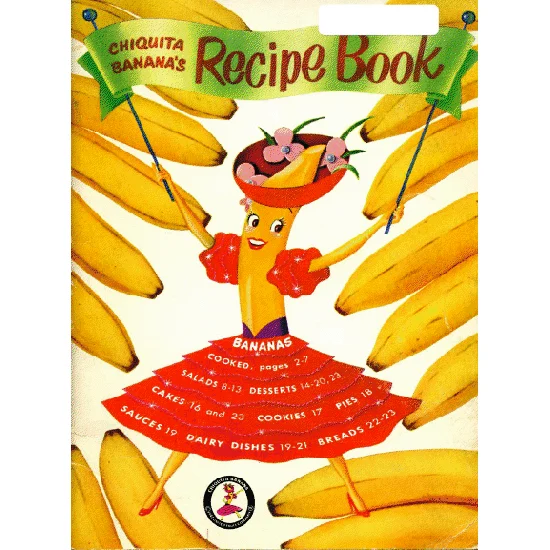
Over the course of the past year, M&M’s mascots have become an unexpected focal point of national discourse, dominating news cycles, social media conversations, and even Super Bowl commercials. This unforeseen prominence stemmed from a series of marketing adjustments by Mars Wrigley, the confectionery giant behind the popular chocolate candies, aimed at modernizing its beloved "spokescandies" for a more inclusive era. However, these seemingly innocuous changes ignited a fierce public debate, laying bare underlying tensions about gender representation, corporate responsibility, and the ongoing "culture wars" in contemporary society.
The Genesis of Change: Mars Wrigley’s Inclusive Marketing Initiative
The narrative began in January 2022 when Mars Wrigley announced a global rebranding of its M&M’s characters, emphasizing a commitment to inclusivity and self-expression. The company stated that the goal was to create a "more dynamic, progressive world where everyone feels they belong." This initiative involved subtle but significant alterations to the appearance and personalities of the iconic M&M’s characters.
Among the most notable changes was the redesign of the female M&M’s. The brown M&M, for instance, had her stiletto heels replaced with more sensible, lower-heeled boots, a move intended to shift focus away from overtly sexualized imagery. Similarly, the green M&M, long characterized by her go-go boots and flirtatious demeanor, saw her footwear swapped for casual sneakers. Mars Wrigley explained these adjustments as an effort to make the characters more reflective of modern sensibilities and to promote a broader range of personality traits beyond traditional gender stereotypes. The company emphasized that these changes were part of a larger strategy to evolve the brand’s identity to resonate with a more diverse global audience, aligning with contemporary corporate values that increasingly prioritize social responsibility and diversity. Industry analysts noted that such rebranding efforts are common among legacy brands seeking to remain relevant in a rapidly changing cultural landscape, particularly as younger generations prioritize authentic representation and social impact from the brands they support.
A Chronology of Controversy
The initial announcement in January 2022 immediately sparked varied reactions. While some welcomed the shift as a positive step towards more inclusive representation, a significant and vocal backlash quickly emerged, particularly from conservative media personalities.
January 2022: Mars Wrigley unveils the redesigned M&M’s characters. The green M&M’s boots are replaced with sneakers, and the brown M&M’s heels are lowered. The company issues a statement emphasizing inclusivity and a commitment to creating a "more fun, inclusive, and equitable world."
Early 2022 Backlash: Fox News host Tucker Carlson quickly became a prominent voice of opposition. He lambasted the changes, asserting that M&M’s "will not be satisfied until every last cartoon character is deeply unappealing and totally androgynous." This sentiment resonated with a segment of the public who viewed the changes as an example of "woke" culture overreaching into everyday consumer products. The debate extended beyond Carlson, with a Rolling Stone article by senior writer EJ Dickson, provocatively titled "Let the Green M&M Be a Nasty Little Slut," arguing that the rebranding stripped the character of her established "horny, sexy bitch" persona, questioning whether giving her "Larry David footwear in the name of feminism" was a genuine step forward or merely an aesthetic emasculation.
September 2022: The Purple M&M Debuts: Mars Wrigley further expanded its cast of characters with the introduction of the purple M&M, explicitly designed to represent self-acceptance and authenticity. She was introduced in a musical number that celebrated uniqueness, further solidifying the brand’s inclusive messaging.
Late 2022: Renewed Outcry: The introduction of the purple M&M reignited the "culture war" rhetoric. Tucker Carlson, among others, continued his criticism, making comments on FOX News like, "The green M&M got her boots back, but apparently is now a lesbian maybe? And now there’s a plus-sized, obese purple M&M." These remarks, while widely derided as nonsensical and offensive, highlighted a persistent discomfort among certain commentators with any perceived deviation from traditional gender norms or body types in popular culture.
January 2023: Temporary Suspension and Maya Rudolph: Facing sustained and often vitriolic public debate, Mars Wrigley announced a "temporary pause" on its spokescandies. In a statement, the company acknowledged the difficulty of navigating "a world where even a candy’s shoes can be polarizing" and expressed its intention to bring in a "new spokesperson America can agree on." This led to the announcement that comedian Maya Rudolph would serve as the brand’s new "Chief of Fun," a move widely interpreted as an attempt to de-escalate the controversy with a universally beloved public figure.
February 2023: The Return of the Spokescandies: Despite the interim appointment of Maya Rudolph, the original M&M’s characters, including the redesigned green and brown M&M’s and the new purple M&M, eventually returned to marketing campaigns. Mars Wrigley clarified that the temporary pause was a strategic maneuver to allow the conversation to settle, reaffirming their commitment to the characters and their inclusive message.
The Public and Media Backlash: A Deeper Look
The intense public and media backlash against the M&M’s character redesigns was multifaceted. On one hand, it represented a segment of consumers resistant to perceived changes in established cultural icons, viewing them as unnecessary or politically motivated. For figures like Tucker Carlson, the M&M’s controversy became a convenient symbol in a broader narrative about "woke" capitalism and the erosion of traditional values. His commentary, often infused with hyperbole and thinly veiled misogynistic undertones, framed the character changes as an attack on masculinity and conventional attractiveness, particularly in relation to the female M&M’s.
Conversely, some progressive voices also expressed criticism, albeit from a different angle. EJ Dickson’s Rolling Stone piece, for example, argued that while inclusivity was a worthy goal, the specific changes to the green M&M felt less like empowerment and more like a sanitization that inadvertently played into a different kind of gender stereotype – that female characters must be desexualized to be taken seriously. This perspective highlighted the complexities of navigating gender representation, where even well-intentioned changes can be critiqued for their execution or perceived implications.
Marketing experts weighed in, with some suggesting that Mars Wrigley had misjudged the potential for backlash, while others lauded the company for standing by its values despite the controversy. Data from consumer surveys around the time indicated a split in public opinion, with approximately 40% of consumers expressing approval for the inclusive changes, while 35% viewed them negatively, and 25% remained indifferent. This polarized response underscored the challenges brands face in a fragmented media landscape where every marketing decision can be amplified and scrutinized.
Beyond Candy: The Historical Sexualization of Female Mascots
The M&M’s controversy, while seemingly trivial on the surface, opened a window into a long-standing issue: the sexualization of women in media and advertising, even through animated characters and mascots. The original article correctly points out that M&M’s were not the first, nor the only, gendered commercial food product to employ such strategies.
A prime historical example is the Chiquita Banana. Debuting in the 1940s, Miss Chiquita Banana, the world’s first branded fruit, was deliberately crafted with a racialized and sexualized persona to appeal to the American market. Her animated form exuded overt femininity, characterized by flirtatious winks, eye-rolling gestures, frilly dresses, and prominent lipstick. This portrayal reinforced societal expectations of women as objects of desire, leveraging their perceived charm and allure to sell a product. This marketing strategy was highly effective at the time, establishing Chiquita as an iconic brand, but also solidified a problematic precedent for female representation in advertising.
M&M’s, too, has historically employed a similar strategy with its female spokescandies. For decades, the green M&M, in particular, was depicted in a hypersexualized manner. Commercials featured her in suggestive poses, engaging in acts such as pole dancing, stripping, and even "fondling chocolate" in an overtly erotic context. Crucially, these advertisements often showed the male M&M’s characters ogling her in the background, a clear manifestation of the "male gaze." This concept, prevalent in film theory and sociology, describes the pervasive way women are depicted in visual arts and literature from a masculine, heterosexual perspective that presents them as passive "objects" of male sexual desire, rather than active subjects. This constant reinforcement in media, from animated candy to mainstream cinema, normalizes the objectification of women, shaping societal perceptions and expectations.
Sociological Lenses: Emphasized Femininity and the Male Gaze
To understand the intensity of the backlash against the M&M’s character changes, it is crucial to examine it through sociological lenses, particularly the concepts of "emphasized femininity" and its relationship to "hegemonic masculinity."
Emphasized femininity refers to a set of traditional feminine norms and behaviors that are often presented as ideal or desirable. These norms encourage women to accommodate men’s sexual appetites and desire for control, often through physical attractiveness, nurturing roles, and a certain degree of subservience. This construct plays a significant role in legitimizing gender hierarchy and perpetuating various forms of oppression by framing women’s value primarily through their appeal to men. When women conform to emphasized femininity, they reinforce a social order where male dominance is perceived as natural or deserved.
The M&M’s controversy highlights a critical sociological dynamic: when women, or even female mascots, deviate from these "stereotypical cultural notions" of emphasized femininity, it creates a "dilemma" for those who subscribe to ideals of hegemonic masculinity. Hegemonic masculinity refers to the dominant and idealized form of masculinity in a given society, which often involves assertiveness, competitiveness, and a rejection of anything perceived as feminine. When female characters become "less conventionally attractive" or "sexy" – as perceived by critics like Tucker Carlson – it challenges the expectations of hegemonic masculinity, which often relies on the sexual availability and aesthetic appeal of women.
The outrage expressed by these critics, particularly the anger that their "sexual desires were not being satisfied," even by a candy mascot, reveals a deeper societal issue. It underscores the implicit expectation that women, in both real life and media representations, should exist to fulfill male desires and reinforce male dominance. The shift in the M&M’s characters was perceived by some as a direct affront to this established order.
Moreover, this backlash illustrates that women (and female characters) often "face the prospect of being labeled ‘socially undesirable’" when they exhibit characteristics deemed masculine or deviate from traditional feminine roles. Carlson’s provocative remark, "When you’re totally turned off, we’ve achieved equity," sarcastically encapsulates this fear. In a patriarchal society, when a woman exhibits defiance, authority, or independence, men can feel threatened unless they can "stigmatize and feminize their behavior" by labeling them with pejorative terms like "bitch," "lesbian," or "slut." This mechanism serves to reassert control and devalue women who challenge the status quo, effectively communicating that for women to be "valued" by men, they must remain subservient to the male gaze and adhere to prescribed gender roles.
The Business of Backlash: Mars Wrigley’s Response and Reversal
Mars Wrigley’s decision to temporarily suspend its spokescandies and replace them with Maya Rudolph was a significant moment in the controversy. It demonstrated the immense pressure corporations face when navigating politically charged consumer debates. While some interpreted the move as a capitulation to the conservative backlash, others saw it as a strategic pause to allow the heated rhetoric to subside.
Mars Wrigley’s official statement at the time acknowledged the "polarizing" nature of the debate and expressed a desire to find a spokesperson that could unite, rather than divide, audiences. The choice of Maya Rudolph, a widely admired and non-controversial comedian, was a clear attempt to inject levity and universal appeal into a situation that had become unexpectedly acrimonious. This move garnered significant media attention and, for a brief period, shifted the narrative away from the characters’ shoes and towards Rudolph’s comedic talent.
However, the "temporary" nature of the suspension soon became apparent. By February 2023, the spokescandies, including the updated green and brown M&M’s and the purple M&M, were back in official marketing materials. This return, while less publicized than their temporary removal, signaled Mars Wrigley’s ultimate commitment to its original inclusive vision. The company effectively weathered the storm, demonstrating that while public relations crises can force temporary adjustments, core brand values, once established, can endure. This strategy highlighted a growing trend where brands, after an initial period of retreat, often return to their original stance, understanding that alienating a vocal minority might be preferable to abandoning a strategy aligned with broader societal shifts and internal corporate values.
Broader Implications: Marketing, Gender, and Culture Wars
The M&M’s character controversy extends beyond a simple candy rebranding; it offers crucial insights into modern marketing, the complexities of gender representation, and the pervasive nature of "culture wars."
Marketing Implications: For brands, the M&M’s saga underscores the double-edged sword of purpose-driven marketing. While aligning with social values can enhance brand loyalty among certain demographics (e.g., younger, more progressive consumers), it also carries the risk of alienating others who perceive such efforts as "virtue signaling" or an imposition of political correctness. The incident serves as a case study in navigating a highly polarized consumer landscape, where even seemingly innocuous changes can be weaponized in broader ideological battles. Brands must now meticulously assess potential reactions and prepare for robust public relations strategies. Data indicates that while "woke" backlash often dominates headlines, a significant and growing portion of consumers, particularly Gen Z and millennials, actively seek out and support brands that demonstrate social responsibility and inclusive values.
Gender Representation: The controversy highlighted the deep-seated societal expectations regarding female appearance and behavior. The intense focus on the M&M’s characters’ footwear and perceived attractiveness reveals how ingrained the male gaze is in cultural consumption. It demonstrated that for a vocal segment of the population, even fictional female characters are expected to conform to specific aesthetic and sexualized standards. This resistance to evolving female representations suggests a broader discomfort with women stepping outside traditional roles and definitions of femininity.
Culture Wars: The M&M’s debate became a proxy battle in the ongoing "culture wars" in Western societies. These conflicts, often amplified by partisan media, pit traditional values against progressive ideals, with everyday products and cultural symbols becoming contested terrain. The M&M’s characters, much like other consumer brands that have updated their imagery (e.g., Aunt Jemima, Uncle Ben’s), found themselves caught in a struggle over identity, history, and what constitutes acceptable public discourse. The swift and aggressive mobilization of media personalities like Tucker Carlson transformed a marketing decision into a national debate about freedom of expression, political correctness, and the perceived "feminization" of society.
Impact on Youth and Media Literacy
The hypersexualization of women in media, as exemplified by the historical portrayal of the green M&M and Chiquita Banana, has profoundly harmful effects on young people. Adolescents’ constant exposure to a sexualized media environment leads them to internalize the idea that women are primarily "sex objects." When young girls and women repeatedly see their bodies objectified, they begin to believe that their most valuable attribute is their physical appearance, leading to body image issues, self-objectification, and reduced self-esteem. They become acutely aware that they are seen as "sexual playthings waiting to please men’s sexual desires" and may feel unworthy if they do not meet society’s often unrealistic and sexualized beauty standards. The fact that even candy mascots are subjected to such scrutiny and objectification sends a chilling message to children about societal expectations for women.
When adults become "outraged" over a female M&M’s shoe change, what message does that send to impressionable young minds? While the "culture war" waged against M&M’s may seem ludicrous on the surface, its real-world implications are serious. The rhetoric surrounding the controversy, particularly the derogatory and sexualized language used by critics, normalizes the policing of women’s bodies and choices. It reinforces the idea that women’s value is tied to their conformity to male desires.
Therefore, the vicious cycle of sexualizing women, whether they are mascots or real individuals, for profit or for political posturing, must be critically examined and brought to an end. Prominent figures in media and politics have a responsibility to recognize that the oppression and objectification of others are not punchlines. Instead, they contribute to a harmful cultural environment that negatively impacts the psychological and social development of young people and perpetuates systemic inequalities. The M&M’s controversy, in its absurdity, served as a stark reminder of how deeply entrenched these issues remain in our collective consciousness and how vital it is to challenge them.