
 Reynand Wu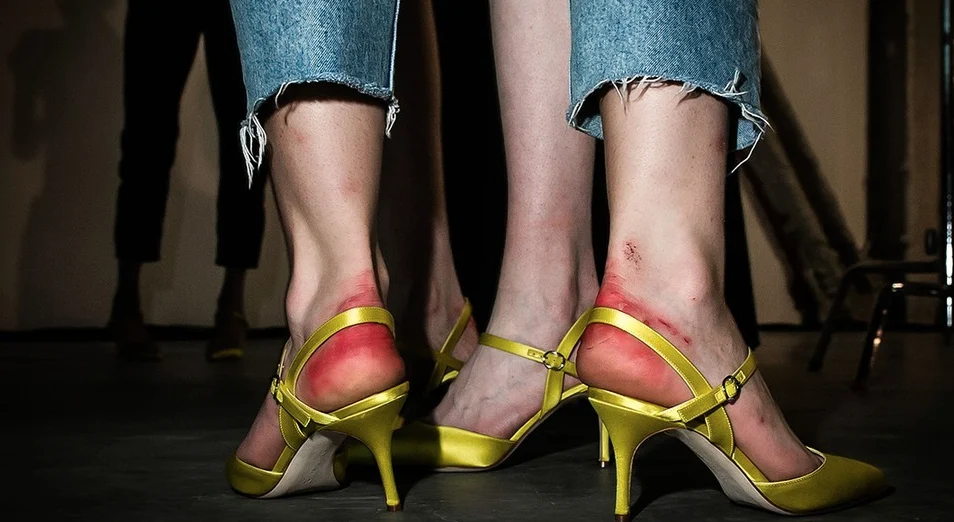
A recent photograph captured by documentary photographer Dina Litovsky has reignited a long-standing discourse regarding the physical toll of high fashion. The image, which depicts a model’s feet—visibly inflamed and constricted by the tight straps of designer slingback heels—went viral on social media, accumulating over 500,000 likes on Instagram. Reposted by major cultural institutions, including National Geographic, the photograph serves as a visceral reminder of the dissonance between the polished final product of a runway show and the physiological reality of the individuals walking it. While the fashion industry often champions the artistry of footwear, critics argue that the prioritization of aesthetic extremity over human comfort has become a systemic issue that transcends individual choice, reflecting deeper, problematic structures within the global fashion economy.
A Chronic Problem: From 2012 to the Present Day
The discomfort depicted in Litovsky’s viral image is far from an isolated incident; it is part of a recurring pattern that has haunted the industry for decades. The fashion world frequently showcases avant-garde designs that prioritize structural innovation over anatomical compatibility. In 2012, the conversation reached a fever pitch during Louis Vuitton’s Paris Fashion Week show, where photographs of models’ feet—battered, bruised, and swollen—circulated widely in the international press. These images provided a rare glimpse behind the curtain, revealing the immediate, tangible consequences of wearing non-ergonomic, high-fashion footwear.
Despite the recurring public outcry, the cycle of extreme footwear continues. The industry’s insistence on "the look" often dictates that the model must adapt to the shoe, rather than the shoe being designed to fit the human form. This tension between the artistic vision of the designer and the physical health of the model creates a cycle of normalization, where pain is treated as a professional prerequisite.
The Myth of Agency and Professionalism
In the high-stakes environment of a runway, the concept of "agency" is frequently debated. While it is technically possible for a model to refuse to wear a specific pair of shoes, the power dynamics inherent in the modeling industry make such a refusal difficult, particularly for those who have not yet reached the elite status of a "supermodel." A model who declines to wear an uncomfortable or dangerous shoe risks being labeled "difficult" or "unprofessional," a reputation that can lead to a loss of bookings, especially in a competitive market where hundreds of other models are waiting for the same opportunity.
Sociological research, such as that conducted by Ashley Mears in her seminal ethnography Pricing Beauty, highlights how the industry commodifies the model’s body as "aesthetic labor." Models are not merely walking clothes; they are physical canvases upon which the designer’s vision is projected. The industry’s praise for models who can endure extreme conditions—whether through long, grueling shoots or the performance of physically demanding, contortionist poses—reinforces a culture where the capacity to ignore physical pain is rewarded as a sign of dedication and professionalism. This creates a standard where the value of the model is tied to their ability to suppress their own physical discomfort for the sake of the brand’s image.
Cultural Standards and the "Aesthetic Laborer"
The images circulating on social media do more than just document pain; they serve as a reflection of societal expectations. As noted by academic observers, these shoes function as symbols that teeter between empowerment and oppression. By embodying cultural ideals of gender, race, and class, models become central to the maintenance of beauty standards that are inherently exclusionary.
When a model walks a runway, they are reinforcing a hierarchy of beauty. The "aesthetic laborer" is expected to maintain a specific appearance that satisfies the industry’s narrow, often unreachable, standards. This is not just a problem of footwear; it is a manifestation of how power, status, and physical form are inextricably linked. The images are, in many ways, an unvarnished look at the "price" of maintaining these cultural ideals. When we see the inflammation and the bruising, we are seeing the literal physical cost of a societal aesthetic that has been carefully curated to appear effortless.
Broader Implications: The "Optimization" Trap
The struggle experienced on the runway has profound implications that extend to the everyday consumer. In her essay Always Be Optimizing, author Jia Tolentino explores how modern beauty standards have shifted from mere vanity to a form of self-optimization. This concept, often disguised as "self-care," encourages individuals to constantly refine and improve their physical selves. Whether through the intensity of modern fitness trends like Pilates and barre or the adoption of painful fashion trends, the narrative remains the same: "beauty is pain."
This societal shift obscures the oppressive nature of these standards. By framing the pursuit of a "sculpted" or "perfect" look as an act of personal agency or health-conscious self-improvement, the industry manages to justify the physical toll. The same logic applied to the runway model—that one must endure pain to achieve a desired aesthetic result—is now a pervasive expectation in the lives of the general public. Shoes are no longer just functional items; they are vehicles for gendered expectations and social validation. The normalization of discomfort in high fashion effectively trickles down, validating the idea that our bodies are projects to be managed, manipulated, and, if necessary, forced into compliance with external standards.
Industry Responses and Future Outlook
The fashion industry has been slow to address these concerns formally. While some designers have begun to incorporate more comfortable, flat-soled footwear into their collections, the "runway look" remains largely dominated by high-heeled, restrictive silhouettes. Official responses from luxury fashion houses are rare, as they generally maintain that their designs are works of art rather than mass-market products.
However, the power of digital media is changing the landscape. The viral nature of photos like those taken by Litovsky forces the industry to confront its own excesses. When thousands of people across the globe engage in critical dialogue about the health of models, the industry’s traditional silence becomes harder to maintain.
The long-term health implications for models are also beginning to draw more clinical attention. Podiatrists and orthopedic experts have long warned that the chronic wear of extreme footwear can lead to permanent structural changes in the feet, including bunions, hammertoes, and nerve damage. The pressure to ignore these risks is a form of occupational hazard that has yet to be fully regulated by labor boards or trade unions in the fashion sector.
Conclusion: The Need for Change
The viral discourse surrounding these images is a necessary intervention in a culture that frequently overlooks the humanity of the individuals at the center of the fashion machine. The normalization of pain—under the guise of "beauty is pain" or "look good, feel good"—is a dangerous narrative that places the burden of cultural expectation on the individual.
As long as the fashion industry continues to prioritize the visual impact of an image over the physical wellbeing of the model, such viral moments will continue to occur. A more sustainable future for the industry requires a fundamental re-evaluation of what constitutes "professionalism." True innovation in fashion should not require the sacrifice of physical health. By recognizing that models are human beings rather than mere vessels for an aesthetic, the industry can begin to move toward a model of production that respects the body rather than treating it as a commodity to be optimized at any cost.
The conversation triggered by Dina Litovsky’s photography is a reflection of a growing societal awareness. Consumers are increasingly questioning the ethics behind the brands they support. If the industry does not self-regulate, public demand for more humane practices may eventually force a shift in how these high-fashion, high-pain spectacles are presented to the world. Until then, these images will continue to serve as uncomfortable, yet essential, reminders of the hidden costs of our collective obsession with perfection.







