
 Reynand Wu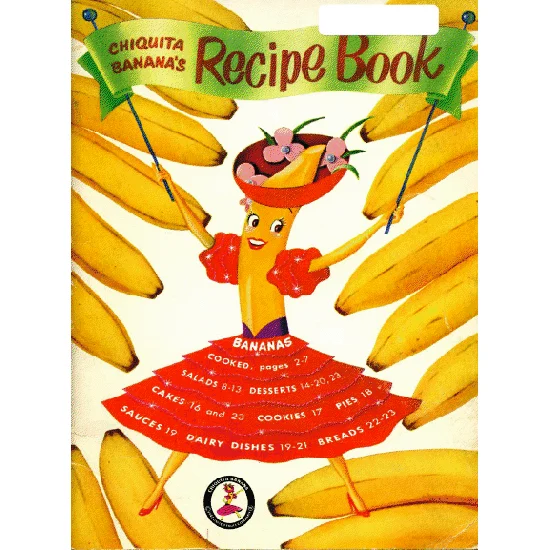
Over the past two years, few corporate marketing campaigns have incited as much public vitriol and political discourse as the relatively modest visual rebrand of Mars Wrigley’s M&M’s. What began as an internal corporate strategy to promote inclusivity in advertising spiraled into a national debate over gender roles, the sexualization of media, and the boundaries of political correctness. The discourse surrounding the green and purple M&M’s provides a unique case study in how symbolic, gendered imagery in advertising can be weaponized within the broader American "culture war."
A Chronology of the M&M’s Rebranding Saga
The controversy officially ignited in January 2022, when Mars Wrigley announced a series of subtle aesthetic changes to its long-standing roster of "spokescandies." The company stated that the objective was to create a "more dynamic, progressive world" that emphasizes the importance of self-expression and belonging.
The most notable changes involved the female characters. The green M&M, previously known for her signature go-go boots and high-heeled appearance, was transitioned into comfortable sneakers. The brown M&M, characterized by her professional, intellectual persona, saw her stiletto heels lowered to a more practical height. The campaign aimed to de-emphasize the overtly sexualized traits previously assigned to these characters, aligning the brand with contemporary standards of inclusivity.
The reaction was immediate and polarized. In the months following the announcement, conservative media figures identified the change as an affront to traditional values. Tucker Carlson, then a prominent host on Fox News, became the primary voice of the opposition. In a series of segments, Carlson suggested that the brand was intentionally making its characters "unappealing and totally androgynous."
The conflict reached a secondary peak in September 2022 with the introduction of "Purple," a new character designed to represent acceptance and inclusivity. The addition of a "plus-sized" female character triggered further criticism from the same political quarters, which framed the addition as an endorsement of social agendas that they claimed were alienating to the brand’s core consumer base. By early 2023, the intensity of the backlash led Mars Wrigley to announce a temporary, albeit short-lived, hiatus for the spokescandies, replacing them with comedian Maya Rudolph as a spokesperson in an attempt to neutralize the volatility of the debate.
Historical Context: The Sexualization of Gendered Mascots
The scrutiny of the M&M’s rebrand is part of a larger historical trend regarding how gendered characters are deployed in advertising to capture market share. Since the mid-20th century, food and consumer goods corporations have relied heavily on "emphasized femininity" to drive sales.
A seminal example is the Chiquita Banana mascot, introduced in the 1940s. The character was explicitly designed to be flirtatious, employing suggestive eye movements, body language, and a wardrobe that catered to the aesthetic preferences of the era’s male-dominated consumer landscape. By styling food products as sexualized women, corporations successfully utilized the "male gaze"—a concept in media theory wherein the audience is invited to view a character, regardless of their species or form, as an object of desire.
The green M&M’s history mirrors this trajectory. For decades, the character was portrayed in commercials as an object of flirtation, often appearing in suggestive scenarios—such as pole dancing or suggestive interactions with male characters—to reinforce her identity as a "sexy" icon. The recent pushback against the removal of her high heels underscores how deeply ingrained this sexualized branding has become in the public consciousness. When these tropes are challenged, it creates a psychological friction for consumers who have been conditioned to view these mascots through a gender-normative lens.
Data and Sociological Implications
The intensity of the public reaction to a change in footwear suggests that the M&M’s controversy was never truly about candy. Sociologists point to the concept of "hegemonic masculinity," which posits that when traditional symbols of gender are altered, those who derive their identity from these rigid structures often experience a sense of existential threat.
Data from the University of Toronto’s studies on gendered branding suggest that the "feminization" or "de-sexualization" of a corporate mascot often leads to a backlash from consumers who feel that the "social contract" between the brand and the consumer has been broken. When the green M&M transitioned from heels to sneakers, the criticism framed the change as an act of "erasure" of her femininity. This reflects a broader societal anxiety: that by granting women—or, in this case, female-coded cartoons—the autonomy to dress for comfort rather than for the pleasure of the male observer, the traditional power dynamic is being dismantled.
Furthermore, the impact of such hypersexualized imagery on younger audiences is significant. Research published in the Journal of Media Psychology indicates that constant exposure to sexualized female caricatures in media, even in the form of animated candy, contributes to the internalization of objectification among adolescents. When young people see that a female character’s primary value is her attractiveness to others, they are more likely to perceive themselves and their peers through the same narrow, objectifying lens.
Official Responses and Corporate Strategy
Mars Wrigley’s handling of the situation serves as a prime example of the challenges corporations face when navigating modern culture wars. The company initially attempted to double down on its inclusivity messaging, but the sheer volume of negative media coverage and the politicization of their brand eventually forced a tactical retreat.
In a statement released in early 2023, Mars Wrigley acknowledged the "polarizing" nature of the spokescandies, noting that they had not intended for their characters to become a political football. The company’s decision to pause the use of the mascots and employ a human spokesperson was a damage-control effort aimed at de-escalating the situation. This move highlights the precarious position of global brands: they are increasingly expected to reflect modern social values, yet they remain highly vulnerable to "boycott culture" and the reactive tendencies of partisan media outlets.
The Broader Impact on Media Discourse
The M&M’s controversy reveals a troubling trend in contemporary media: the transformation of mundane corporate branding into a proxy for political ideological battles. When a commercial for candy is analyzed through the lens of gender theory and traditionalism, it indicates that the divide in American cultural discourse has reached a point of saturation.
The real-world implication is a chilling effect on inclusive marketing. When corporations are publicly excoriated for attempting to present a more balanced or diverse representation of gender, they may be less likely to pursue similar initiatives in the future. This risks stalling progress in media representation, as companies prioritize safety and the status quo over the risks of being labeled "woke" or "progressive" by ideological critics.
Ultimately, the M&M’s saga is a reminder that the symbols we consume are never neutral. The clothes a mascot wears or the shape of their body reflects the expectations society places upon real women. By continuing to subject these characters to the same rigid gender expectations that govern human interactions, we reinforce the very stereotypes that limit agency. Moving forward, the conversation must shift from the triviality of "boots versus sneakers" to a more critical examination of why we continue to demand that female-coded entities perform subservience for the comfort of the public. Addressing the hypersexualization of media requires a conscious effort from both marketers and consumers to recognize that gender identity, even in the context of confectionery, is a complex issue that deserves more than a partisan punchline.







