Ferry Irwandi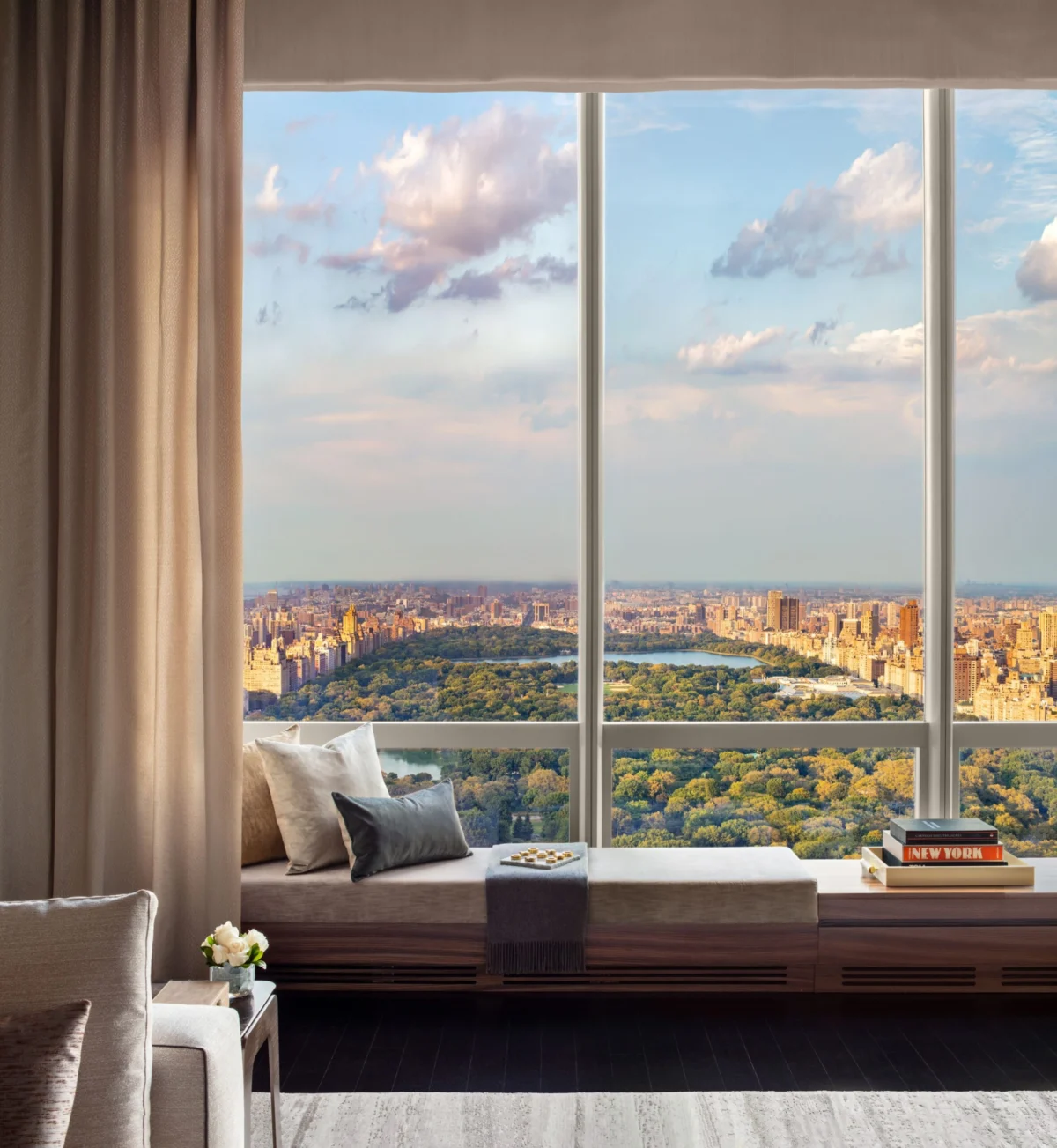
The visual juxtaposition of New York City’s dense, vertical architecture against the expansive 843-acre rectangle of Central Park remains one of the most recognizable urban vistas in the world. For travelers and residents alike, securing a vantage point over this "emerald heart" is often considered the pinnacle of the Manhattan experience. This allure is not merely aesthetic; it is deeply rooted in the history of New York’s urban planning and the high-stakes world of luxury real estate. As the city continues to evolve, a select group of storied institutions and modern high-rises continue to define the standard for hospitality by leveraging their proximity to the park. From the historic Upper East Side to the burgeoning skyline of Midtown’s "Billionaire’s Row," the competition for the ultimate park view has shaped the city’s architectural identity and economic landscape for over a century.
Historical Context: The Creation of an Urban Sanctuary
To understand the value of a Central Park view, one must look back to the mid-19th century. In 1853, the New York State Legislature designated 778 acres of land in the center of Manhattan for the creation of the nation’s first major landscaped public park. Designed by Frederick Law Olmsted and Calvert Vaux, the park was intended to provide a "democratic playground" and a psychological respite from the increasingly congested industrial city. The completion of the park in the 1870s immediately transformed the surrounding land from undesirable rocky terrain into the most coveted real estate in North America.
The late 19th and early 20th centuries saw the construction of the first wave of luxury residential buildings and hotels along Central Park West and Fifth Avenue. This era established the "park view" as a premium commodity. Developers realized that while the city’s skyline was subject to constant change, the view of the park was legally protected and permanent. This permanence created a unique market dynamic where properties facing the park commanded significantly higher prices than those just one block away, a trend that persists into the 21st century.
The Architecture of the View: Storied Institutions
Among the hotels that define the Central Park perimeter, The Pierre, A Taj Hotel, stands as a testament to the enduring appeal of the Upper East Side. Opened in 1930 at the height of the Art Deco era, The Pierre was designed by Schultze & Weaver, the same firm responsible for the Waldorf-Astoria. Located at Fifth Avenue and 61st Street, the hotel’s copper-capped roof is a landmark of the skyline. Its suites offer panoramic views that encompass the Pond, the Wollman Rink, and the rolling meadows of the park’s southern end.
The Pierre’s historical significance is matched by its role in the evolution of luxury service. During the mid-20th century, it became a residence for icons such as Elizabeth Taylor and Yves Saint Laurent, further cementing the connection between high-society living and the Central Park vista. Today, the hotel represents a bridge between the Gilded Age’s opulence and modern hospitality, where the view is treated as a curated masterpiece for the guests.
Further west along Central Park South, the Park Lane New York represents a different chapter of the city’s history. Originally designed by Emery Roth & Sons and opened in 1971, the hotel recently underwent a comprehensive renovation to modernize its aesthetic while maximizing its proximity to the park. The hotel’s rooftop lounge, Darling, provides one of the few open-air, high-altitude perspectives of the park in the city. Unlike the more formal atmosphere of the Upper East Side institutions, the Park Lane leans into a whimsical, botanical-inspired design that echoes the greenery visible from its windows.
Economic Data and the Premium of Proximity
The economic impact of Central Park on the Manhattan hospitality and real estate markets is quantifiable. According to data from the New York City Department of Finance and various real estate analytics firms, properties with an unobstructed view of the park can command a premium of 20% to 50% over comparable properties without such views. In the hospitality sector, this translates to a significant disparity in Average Daily Rates (ADR).
A 2023 market analysis of luxury hotels in Midtown Manhattan revealed that rooms categorized as "Park View" typically start at a price point 35% higher than "City View" rooms within the same building. During peak seasons, such as the autumn foliage or the December holiday period, this gap can widen to over 60%. For developers, the "Central Park Effect" justifies the immense capital expenditure required to build or renovate along the park’s perimeter.
The rise of "Billionaire’s Row"—the cluster of ultra-luxury residential skyscrapers along 57th Street—has further complicated this landscape. Buildings like Central Park Tower and 111 West 57th Street have pushed the boundaries of verticality, offering views from heights previously unreachable. While these are primarily residential, their presence has influenced the hospitality market, leading hotels to invest in high-floor renovations and rooftop amenities to remain competitive in the "battle for the skyline."
Chronology of Development: A Timeline of the Parkside Skyline
The development of the hotels and residential towers surrounding Central Park has occurred in distinct waves, each reflecting the economic and architectural trends of its time:
- 1884: The completion of The Dakota on Central Park West, signaling the shift toward luxury apartment living and high-end views on the park’s western edge.
- 1907: The opening of The Plaza Hotel at the southeastern corner of the park, establishing the intersection of 59th Street and Fifth Avenue as the epicenter of New York luxury.
- 1930-1931: A boom in Art Deco construction produces The Pierre, the JW Marriott Essex House, and the Carlyle, creating the classic "wall" of limestone and brick that frames the park.
- 1970s: The introduction of modern glass-and-steel structures, including the original Park Lane Hotel, which sought to bring more light and visibility into guest rooms.
- 2003: The opening of the Time Warner Center (now Deutsche Bank Center) at Columbus Circle, introducing the Mandarin Oriental, New York, and providing a new, high-altitude perspective from the park’s southwestern corner.
- 2014-Present: The era of the "Supertalls" begins with One57, followed by a series of slender towers that have fundamentally altered the shadows cast upon the park and the views from within it.
Broader Impact: Urban Planning and Public Perception
The concentration of luxury hotels with Central Park views has broader implications for New York’s urban fabric. Critics often argue that the "privatization of the view" creates an exclusionary atmosphere, where only the wealthiest visitors can enjoy the park’s full majesty. However, urban planners point out that the high property taxes and tourism revenue generated by these hotels are essential for the maintenance of the park itself.
The Central Park Conservancy, a private non-profit that manages the park under a contract with the City of New York, relies heavily on donations from the surrounding community. The owners of park-facing hotels and the residents of the "Gold Coast" are among the primary benefactors of the Conservancy. This creates a symbiotic relationship: the park’s beauty drives the value of the hotels, and the success of the hotels provides the financial resources necessary to keep the park pristine.
Furthermore, the presence of these hotels influences the city’s tourism strategy. The New York City Tourism + Conventions (formerly NYC & Company) frequently uses the Central Park skyline in global marketing campaigns. The view is not just a luxury for hotel guests; it is a brand asset for the entire city, symbolizing the successful integration of nature and urbanity.
Analysis of Modern Trends in Park-View Hospitality
In the current market, the definition of a "park view" is expanding. While traditional hotels focused on the physical window, modern hospitality brands are integrating the park experience into their entire service model. This includes "picnic butler" services, guided botanical tours, and fitness programs that utilize the park’s running loops.
There is also an increasing focus on sustainability and "biophilic design" within these hotels. Architects are now designing interiors that mirror the colors and textures of Central Park, using natural stone, wood, and indoor greenery to create a seamless transition between the outdoor environment and the indoor luxury space. This trend is a response to a growing consumer desire for wellness-oriented travel, where the view is seen as a tool for mental health and relaxation.
Conclusion: The Future of the Central Park Perimeter
As New York City moves further into the 21st century, the hotels overlooking Central Park remain the most resilient segment of the hospitality market. Despite economic fluctuations and the rise of new tourist hubs in Brooklyn and Queens, the allure of the park view remains constant. Future developments are likely to focus on the redevelopment of existing structures, as the available land for new construction along the park’s perimeter is virtually non-existent.
The ongoing renovations of historic properties and the introduction of new technology to enhance the guest experience ensure that these hotels will continue to serve as the city’s premier "home base" for exploration. Whether through the historic lens of The Pierre or the modern, elevated perspective of the Park Lane, the view of Central Park continues to put the "charming contradictions" of New York City into perspective, offering a moment of stillness in the center of the world’s most energetic metropolis. The park is more than just a backyard; it is the stage upon which the story of New York luxury is perpetually written.