
 Ronny Sianturi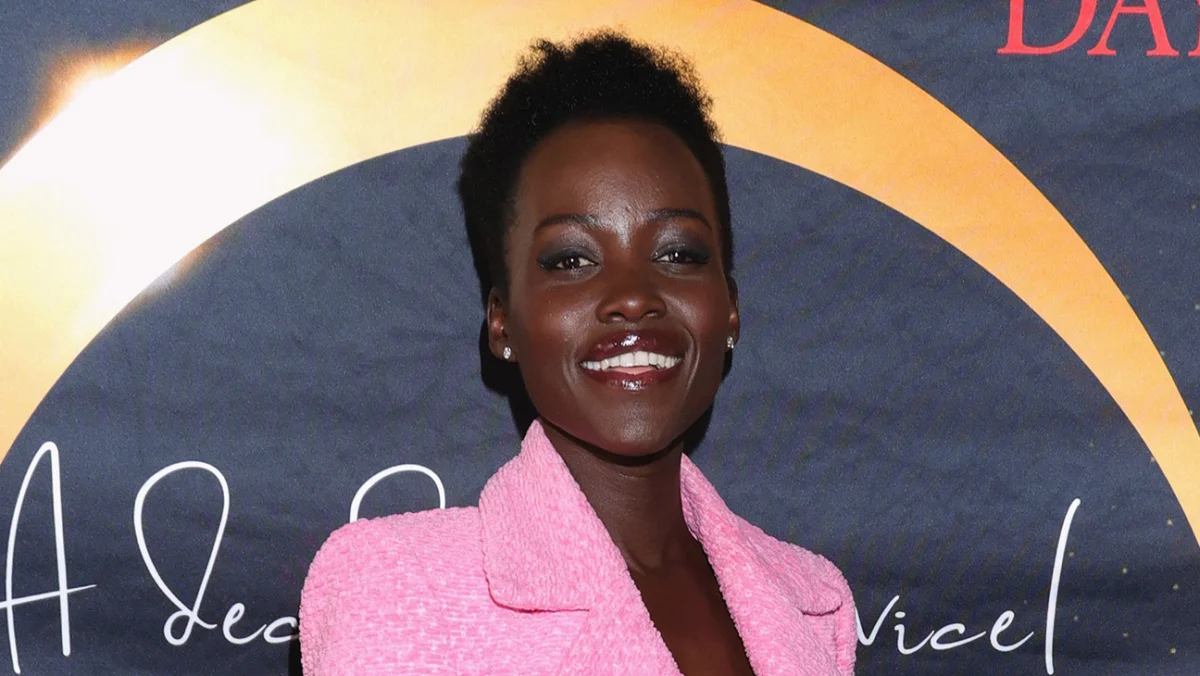
Elon Musk, the high-profile CEO of Tesla and SpaceX and owner of X (formerly Twitter), has again inserted himself into discussions surrounding Christopher Nolan’s highly anticipated adaptation of Homer’s epic poem, The Odyssey. This time, Musk has publicly aligned himself with a far-right journalist’s racially charged critique of the casting of Oscar-winning actress Lupita Nyong’o as Helen of Troy. The exchange has ignited a fresh wave of controversy, further amplifying concerns about the intersection of social media influence, artistic integrity, and contemporary cultural debates.
Nolan’s Epic Vision and the Casting Controversy
Christopher Nolan, renowned for his critically acclaimed and commercially successful films such as Inception, The Dark Knight trilogy, and Oppenheimer, is reportedly at the helm of a massive adaptation of The Odyssey. The film, slated for a July release, has been the subject of intense speculation and media attention, with details about its production and casting remaining largely under wraps. However, a recent cover story in Time magazine has confirmed a significant casting choice: Lupita Nyong’o, celebrated for her nuanced performances and Oscar-winning role in 12 Years a Slave, will portray Helen of Troy.
In Homer’s ancient Greek epic, Helen is famously described as "the face that launched a thousand ships" and the most beautiful woman in the world, a figure whose abduction by Paris of Troy sparked the devastating Trojan War. The reported casting of Nyong’o in this pivotal role, alongside a star-studded ensemble including Matt Damon as Odysseus, Tom Holland as Telemachus, Anne Hathaway as Penelope, Robert Pattinson as Antinous, and Zendaya as Athena, represents a departure from traditional interpretations that have often depicted Helen with lighter skin tones.
The Genesis of the Controversy: Matt Walsh’s Statements
The controversy began to escalate on Tuesday when Matt Walsh, a conservative political commentator and host for The Daily Wire, voiced his strong objections to Nyong’o’s casting on X. Walsh’s initial post, which featured a screenshot of The Hollywood Reporter‘s article detailing Nyong’o’s role, quickly garnered significant attention.
Walsh explicitly challenged the notion of Nyong’o being cast as the "most beautiful woman in the world," stating, "Not one person on the planet actually thinks that Lupita Nyong’o is ‘the most beautiful woman in the world.’ But Christopher Nolan knows that he would be called racist if he gave ‘the most beautiful woman’ role to a white woman." He further characterized Nolan as "technically talented but a coward. Too afraid to do anything that even slightly challenges the spirit of the age."
Elon Musk’s Endorsement and Amplification
Elon Musk, the owner of the platform where these discussions unfolded, did not remain silent. He responded swiftly to Walsh’s post with a single, impactful word: "True." This endorsement from one of the world’s most influential figures immediately amplified Walsh’s critique, lending it a far greater reach and perceived legitimacy within certain online communities.
Walsh, emboldened by Musk’s affirmation, continued to elaborate on his position the following day. He argued that a white actor should have been cast in the role of Helen of Troy, even suggesting Sydney Sweeney, an actress who has herself become a focal point in discussions about race and representation in Hollywood.
"We’re told that we shouldn’t object to Helen of Troy being portrayed as a black woman," Walsh wrote. "And yet if a major Hollywood studio made a film set in Africa and cast a white woman as ‘the most beautiful woman in Africa,’ those same people would literally riot in the street. If, say, Sydney Sweeney was cast in the role, they’d be driven to murderous violence. We all know this is the case."
Musk again weighed in, this time via the comment section of Walsh’s Wednesday post, reinforcing his agreement: "Absolutely true. Such hypocrisy in Hollywood."
A Pattern of Intervention in Casting Debates
This is not the first time Elon Musk has publicly commented on casting decisions for The Odyssey or related Hollywood projects. Earlier in the year, when rumors circulated about the potential casting of transgender actor Elliot Page as Achilles, Musk expressed strong disapproval. In response to a post by UnHerd, Musk wrote, "One of the dumbest and most twisted things I’ve ever heard." This statement is particularly noteworthy given that Musk has a transgender daughter, Vivian Jenna Wilson, from his first marriage. Wilson, who legally changed her name and has largely distanced herself from her father, has previously engaged in public disagreements with him online.
Musk’s initial commentary on The Odyssey dates back to January, when reports of Nyong’o’s potential casting first emerged. At that time, he characterized the decision as a bold one by Nolan, a director known for balancing artistic vision with commercial success. Musk declared, "Chris Nolan has lost his integrity."
The Significance of Lupita Nyong’o’s Career
Lupita Nyong’o’s career trajectory is a testament to her talent and dedication. A graduate of the Yale School of Drama, she made a profound impact on the film industry with her debut in Steve McQueen’s 2013 drama 12 Years a Slave. Her portrayal of Patsey earned her an Academy Award for Best Supporting Actress, marking her as a significant emerging talent.
Since her Oscar win, Nyong’o has cultivated a diverse and compelling filmography. She delivered a critically lauded dual performance in Jordan Peele’s horror film Us, became a recognizable face in the Marvel Cinematic Universe as Nakia in the Black Panther franchise and Avengers: Infinity War, and recently took on a leading role in A Quiet Place: Day One, portraying a woman navigating an alien invasion. Her casting as Helen of Troy is seen by many as a significant step towards broader representation in classical storytelling.
Official Responses and the Pundit’s Stance
The Hollywood Reporter reached out to representatives for both Elon Musk and Lupita Nyong’o for comment on the recent statements. A representative for Christopher Nolan referred the inquiry to a representative for Universal Entertainment, the studio behind The Odyssey. This representative declined to comment on Musk’s statements regarding the film and was also unable to confirm the casting of Elliot Page in any role. Representatives for Nyong’o did not respond to The Hollywood Reporter‘s queries by Wednesday evening.
Meanwhile, Matt Walsh, the pundit at the center of the controversy, who has directed documentaries such as What Is a Woman? and Am I Racist?, has appeared to dismiss criticism labeling his remarks as racist. In a subsequent post, Walsh stated, "It’s funny that these people think they still accomplish something with the ‘erm actually this is racist’ routine. We don’t give the slightest shit if you think something is racist. The word has no meaning coming from you." This defiant stance indicates a deliberate attempt to disregard and delegitimize critiques of his commentary.
Broader Implications and Analysis
Elon Musk’s repeated interventions in Hollywood casting debates, particularly his endorsement of racially charged critiques, carry significant weight due to his immense public profile and ownership of a major social media platform. His alignment with figures like Matt Walsh contributes to the amplification of divisive narratives and can shape public perception of artistic choices.
The controversy surrounding Nyong’o’s casting as Helen of Troy highlights ongoing tensions between traditional interpretations of historical and mythological figures and the increasing demand for diverse representation in media. While proponents of inclusive casting argue that it reflects a more accurate and inclusive understanding of the world, critics, often from conservative viewpoints, frame such decisions as politically motivated concessions to "woke" ideology, compromising artistic authenticity.
The decision to cast Lupita Nyong’o as Helen of Troy, a character whose historical and cultural context is complex and open to interpretation, can be viewed as an artistic choice by Nolan to imbue the ancient epic with contemporary relevance. The debate also underscores the power of social media in shaping public discourse around cultural issues, with influential figures like Musk wielding considerable power to set agendas and influence opinions. The lack of official comment from Universal Entertainment and Nolan’s representatives suggests a strategy of sidestepping the controversy, allowing the film’s artistic merits to speak for themselves, or perhaps waiting for the narrative to evolve as the release date approaches. However, the vocal participation of figures like Musk ensures that this particular aspect of The Odyssey‘s production will remain a talking point, reflecting broader societal conversations about representation, identity, and the evolving landscape of storytelling. The implications for the film’s reception remain to be seen, but the pre-release discourse is already deeply intertwined with contentious cultural debates.








