Reynand Wu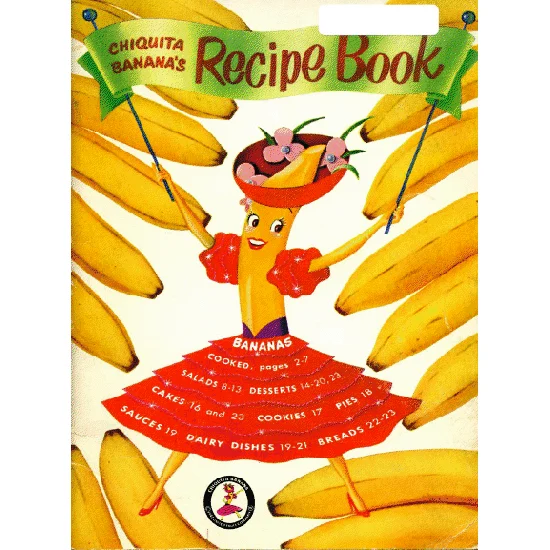
Over the course of the past year, M&M’s, the iconic chocolate candies, have been at the epicenter of an unexpected cultural firestorm, dominating news cycles, social media feeds, and even Super Bowl commercials. What began as Mars Wrigley’s seemingly innocuous attempt to update its beloved spokescandies for a more inclusive era quickly devolved into a heated public debate, highlighting deep-seated societal tensions surrounding gender representation, corporate social responsibility, and the evolving landscape of identity politics. This saga, far from being a trivial discussion about confectionery, has served as a poignant reflection of broader societal anxieties and the challenges faced by global brands navigating an increasingly polarized world.
Mars Wrigley’s Pursuit of Inclusivity: The Initial Spark
In January 2022, Mars Wrigley, the confectionery giant behind M&M’s, announced a significant rebranding initiative for its iconic anthropomorphic candy mascots. The stated goal was to create a more inclusive and representative cast of characters that would resonate with a diverse global audience and reflect the brand’s commitment to "creating a world where everyone feels they belong." This strategic shift was part of a broader industry trend where companies are increasingly scrutinizing their branding and marketing efforts through the lens of diversity, equity, and inclusion (DEI).
The most notable changes involved the female M&M characters. The Green M&M, historically portrayed with a flirtatious and overtly "sexy" persona, had her signature go-go boots replaced with more practical sneakers. Concurrently, the Brown M&M, often depicted as sophisticated and professional, saw her high heels subtly shortened to a more modest block heel. Mars Wrigley explained these alterations as an effort to emphasize the characters’ personalities and reduce their sexualization, aiming for a more empowering and less stereotypical portrayal of femininity. The company articulated its vision as wanting the characters to embody "self-expression and confidence" rather than relying on outdated gender tropes. This move aligned with contemporary marketing research suggesting that consumers, particularly younger demographics, increasingly value brands that demonstrate social awareness and authenticity. A 2021 study by Accenture, for instance, found that 62% of consumers want companies to stand for something beyond just making a profit.
The Swift and Vocal Backlash
Despite Mars Wrigley’s intentions, the changes were met with an immediate and unexpectedly fierce backlash, particularly from conservative media personalities and segments of the public. The controversy quickly transcended online forums and social media, escalating into mainstream news discussions.
Leading the charge was prominent Fox News host Tucker Carlson, who became the de facto face of the opposition. Carlson lampooned the redesign on his prime-time show, stating, "M&M’s will not be satisfied until every last cartoon character is deeply unappealing and totally androgynous." He framed the changes as an attack on traditional gender norms and an example of "wokeness" gone too far, implying that the brand was sacrificing appeal for political correctness. His rhetoric ignited a significant segment of his viewership, who echoed sentiments of frustration and anger over what they perceived as an unnecessary and unwelcome revision of beloved cultural symbols.
The critique wasn’t confined to conservative commentators. EJ Dickson, a senior writer for Rolling Stone, articulated a different but equally pointed objection in an article titled, "Let the Green M&M Be a Nasty Little Slut." Dickson argued that the Green M&M had "spent decades building her brand as a horny, sexy bitch, and for what? For her creators to give her Larry David footwear in the name of feminism?" This perspective, while differing in political alignment from Carlson’s, also expressed a sense of loss and frustration, lamenting the perceived sanitization of a character’s established persona and questioning the authenticity of "corporate feminism" that might strip characters of their individuality under the guise of progress.
The Purple M&M’s Debut and Renewed Scrutiny
The controversy reignited in September 2022 with the introduction of a new M&M character: Purple. Billed as the "first female peanut M&M" and designed to represent acceptance and inclusivity, Purple was described by Mars as embodying "self-awareness, authenticity, and confidence." Her debut was accompanied by a musical anthem, "I’m Just Gonna Be Me," further emphasizing her message of self-acceptance.
However, Purple’s arrival only poured more fuel on the existing fire. Tucker Carlson quickly reignited his criticism on FOX News, remarking, "The green M&M got her boots back, but apparently is now a lesbian maybe? And now there’s a plus-sized, obese purple M&M." These comments, while dismissive and provocative, encapsulated the sentiment of those who viewed the new characters as part of an agenda to push what they considered non-traditional or politically charged identities into mainstream culture. The immediate labeling of Purple as "plus-sized" and the Green M&M as "lesbian" underscored a resistance to any representation that deviated from a narrowly defined, conventionally attractive, and heterosexual feminine ideal.
The "Spokescandy Pause" and Maya Rudolph’s Interlude
The sustained backlash and the escalating "culture war" around the M&M’s characters prompted Mars Wrigley to take drastic action. In January 2023, the company announced an "indefinite pause" on its beloved spokescandies, stating that they never intended for the characters to be "polarizing." In a statement, Mars explained, "We are confident that Maya Rudolph will champion the power of fun to create a world where everyone feels they belong." Rudolph, a beloved comedian and actress, was introduced as the new face of the brand, seemingly a strategic move to de-escalate tensions and shift the focus back to lightheartedness and universal appeal.
This decision was widely interpreted as a corporate retreat in the face of intense public pressure. While some viewed it as a sensible move to protect the brand’s image, others criticized Mars for appearing to capitulate to the very voices that were fueling the "culture war," thereby undermining their initial commitment to inclusivity. The "pause" ultimately proved to be temporary, as the spokescandies gradually reappeared in marketing materials, often alongside Rudolph, indicating a more nuanced long-term strategy.
Historical Context: The Sexualization of Female Mascots in Marketing
The M&M’s controversy is not an isolated incident but rather a contemporary manifestation of a long-standing practice in advertising: the sexualization of female characters to market products. This strategy has deep roots in commercial history, predating even the M&M’s characters themselves.
A prominent example is the Chiquita Banana. Debuting in the 1940s, Miss Chiquita Banana was one of the world’s first branded fruits and a pioneer in using a humanized female figure to sell a commodity. The original Miss Chiquita was often depicted in a manner that was both racialized (drawing on caricatures of Latin American women) and overtly sexualized to appeal to the American market. Her femininity was exaggerated through flirtatious winking, eye-rolling, and elaborate, frilly dresses and bright lipstick, positioning her as an exotic and alluring figure. This marketing tactic aimed to imbue a simple fruit with personality and desirability, leveraging conventional notions of female charm.
M&M’s has historically employed a similar strategy. For decades, its female spokescandies, particularly the Green M&M, were consistently portrayed in a hypersexualized manner. This wasn’t merely evident in their attire, such as the Green M&M’s iconic boots, but also in the explicit erotic nature of their commercials. The Green M&M has been featured in various ads performing acts suggestive of pole dancing, stripping, and even sensuously interacting with chocolate, all designed to evoke a provocative allure. Furthermore, male M&M characters were frequently depicted ogling her in the background, a clear reinforcement of the "male gaze." This sociological concept describes the pervasive way in which women are often presented in visual media from a masculine, heterosexual perspective, reducing them to passive "objects" of male sexual desire rather than active subjects with agency. This perpetuates a worldview where female value is intrinsically linked to physical attractiveness and availability to men.
Sociological Underpinnings: Emphasized Femininity and Hegemonic Masculinity
The intense reactions to the M&M’s mascot changes can be understood through the sociological concepts of emphasized femininity and hegemonic masculinity. Emphasized femininity refers to a set of traditional feminine norms that encourage women to accommodate men’s sexual appetites and desire for control. This construct legitimizes the existing gender hierarchy and upholds various forms of oppression by prescribing a specific, often subservient, role for women in society. It dictates that women should be nurturing, empathetic, and, crucially, physically appealing to men.
Conversely, hegemonic masculinity refers to the dominant form of masculinity in a given society that legitimizes patriarchal power. It often involves traits like aggression, self-reliance, and a dismissal of anything perceived as feminine. When women, or in this case, female characters, deviate from the "stereotypical cultural notions" of emphasized femininity—by becoming less conventionally attractive or "sexy"—men who subscribe to the ideals of hegemonic masculinity often feel threatened. Sociologists argue that these men must then "negotiate the dilemma of incorporating women’s resistance into their masculine identity projects." The outrage expressed over the M&M’s characters, even though they are inanimate candy mascots, reveals a deep-seated discomfort when male sexual desires are not explicitly catered to or when female characters assert a non-sexualized identity.
This phenomenon highlights how women face the prospect of being labeled "socially undesirable" or subjected to public ridicule when they possess characteristics deemed masculine or when they defy conventional feminine expectations. As Tucker Carlson infamously remarked in a different context, "When you’re totally turned off, we’ve achieved equity." In patriarchal societies, any exhibition of defiance or authority by women can be perceived as threatening to male dominance unless it can be stigmatized and re-feminized. When a woman steps outside the bounds of being a "good girl," she risks being labeled a "bitch," a "lesbian," or a "slut"—terms designed to diminish her and reassert male control. Evidently, for many, the value of women, even in fictional representations, remains intrinsically tied to their perceived subservience to the male gaze and their ability to fulfill male expectations.
The Harmful Impact of Hypersexualization on Young People
The hypersexualization of women in media, whether through human models or cartoon mascots, carries significant and well-documented harmful implications for young people. Constant exposure to a sexualized media environment leads adolescents, particularly girls, to internalize the idea that women are primarily sex objects. When girls and young women repeatedly see their bodies objectified and their value primarily tied to their physical appearance and sexual appeal, they begin to internalize these messages. This can lead to body dissatisfaction, increased self-objectification (where individuals view their own bodies from a third-person perspective, primarily focused on external appearance), reduced self-esteem, and a greater susceptibility to mental health issues such as anxiety and depression. They become acutely aware of being perceived as "sexual playthings waiting to please men’s sexual desires" and may feel unworthy if they do not meet society’s often unattainable beauty standards. The impact is profound when children observe that even the seemingly innocuous candy they consume is imbued with sexualized undertones.
The intensity of the outrage over a simple shoe change for a candy mascot sends a disturbing message to young audiences. While the notion of a "culture war" waged against M&M’s may seem ludicrous on the surface, the underlying implications are serious. Words, especially from prominent public figures, carry immense power to shape perceptions and reinforce societal norms. The controversy underscores the urgent need to address the pervasive cycle of sexualizing women, whether mascots or real individuals, for commercial gain. Prominent figures and media outlets bear a responsibility to recognize that the oppression and objectification of others are not merely punchlines but contribute to a damaging cultural environment.
Broader Implications and the Road Ahead
The M&M’s mascot controversy serves as a vivid illustration of the complex interplay between corporate branding, evolving societal norms, and the entrenched resistance to changes in gender representation. For Mars Wrigley, the incident presented a significant public relations challenge, highlighting the delicate balance between responding to consumer calls for inclusivity and alienating segments of its traditional customer base. While the "pause" and the introduction of Maya Rudolph might have temporarily de-escalated the immediate fervor, the underlying tensions remain.
This episode also underscores the weaponization of cultural symbols in broader "culture wars." What might appear to be a minor marketing adjustment can be amplified into a national debate, revealing deep divisions about identity, values, and what constitutes progress. The controversy prompts crucial questions for all brands: How can companies authentically pursue diversity and inclusion without being perceived as pandering or politically divisive? How do they navigate a media landscape where any change can be immediately scrutinized and politicized?
Ultimately, the M&M’s saga is more than just about chocolate candies with updated footwear. It is a microcosm of ongoing societal debates about gender equality, the ethical responsibilities of corporations, and the persistent challenges of dismantling harmful stereotypes. It calls for a more nuanced public discourse, moving beyond reductive characterizations and confronting the deeply ingrained biases that continue to shape our perceptions of gender and value in society. The conversation ignited by a handful of candy characters will undoubtedly continue to resonate as brands and societies grapple with the complexities of representation in the 21st century.