
 Reynand Wu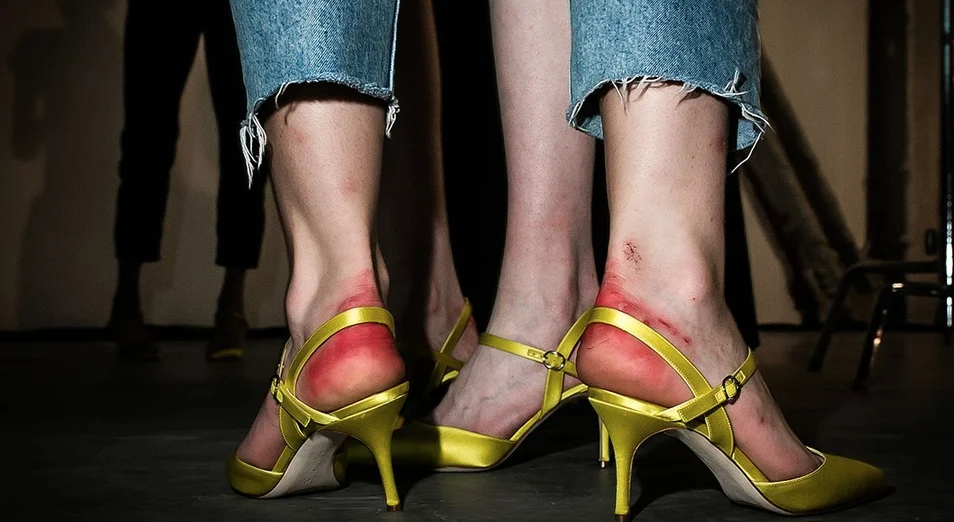
A recent photographic capture by Dina Litovsky, depicting a model’s visibly inflamed feet encased in slingback heels, rapidly achieved viral status across social media platforms. The image, shared widely and amplified by prominent accounts including National Geographic and numerous Instagram influencers, garnered over 500,000 likes and a deluge of comments. The overwhelming sentiment expressed online was a sharp critique of the fashion industry’s perceived prioritization of aesthetic allure over the physical well-being of its models. This incident, while striking in its contemporary reach, is not an isolated event but rather a recurring symptom of a deeper systemic issue within high fashion, where the pursuit of extreme beauty standards often comes at a significant human cost. The collective memory of similar scenes, such as the widely circulated photographs of models’ battered and bruised feet following Louis Vuitton’s 2012 show in Paris, underscores a persistent pattern of discomfort and injury that has long plagued the runway. These instances serve as potent reminders of the often-invisible suffering endured by those who embody the industry’s most extravagant creations, sparking crucial conversations about ethical labor practices and the true price of glamour.
The Immediate Aftermath: A Viral Image Ignites Global Debate
The photograph in question, captured by acclaimed photographer Dina Litovsky, who is known for her incisive and often unflinching gaze into the worlds of fashion and culture, presented a stark reality often obscured by the glossy veneer of runway shows. The image, originally featured on Litovsky’s Substack, quickly transcended its initial platform, finding a massive audience through Instagram and other digital channels. Viewers were confronted with the raw, unedited consequence of wearing designer footwear that, while visually arresting, appeared to inflict considerable discomfort. The model’s feet, marked by redness, swelling, and apparent abrasions, served as a powerful counter-narrative to the flawless image typically projected by the fashion industry. The digital echo chamber of likes, shares, and comments transformed the photograph into a global talking point, prompting widespread condemnation of practices that seemingly compel models to endure pain for the sake of a fleeting aesthetic. This immediate and visceral reaction highlighted a growing public intolerance for exploitative or harmful practices, even within the traditionally impervious realm of high fashion. The debate rapidly expanded beyond the specific incident, encompassing broader discussions about labor rights, body image, and the ethical responsibilities of designers and brands.
A Recurring Chronicle of Runway Distress: A Historical Perspective
The spectacle of models enduring painful footwear is far from a new phenomenon. Throughout fashion history, the intersection of design innovation and bodily constraint has often been a contentious one. From the elaborate, often restrictive corsetry of past centuries to the foot-binding practices in ancient cultures, the human body has frequently been molded, manipulated, and even injured in the name of prevailing beauty ideals. High heels themselves, while a symbol of elegance and power for centuries, have always carried an inherent trade-off with comfort. Modern high fashion, however, has often pushed these boundaries to extreme levels, with designers frequently creating shoes that are more sculptural art pieces than functional footwear.
A notable precedent to the Litovsky photograph emerged in October 2011, following the Louis Vuitton Spring/Summer 2012 show in Paris. Photographs then circulated widely online, capturing the bruised, blistered, and swollen feet of models who had walked the runway. These images, initially published by outlets like the Daily Mail, showed models struggling backstage, their feet bearing the visible toll of what were later identified as extremely high and narrow heels. The reaction at the time was similar, albeit perhaps less amplified by the nascent social media landscape compared to today. Critics then, as now, questioned the ethical implications of such designs and the pressure placed upon models.
Beyond these specific viral incidents, anecdotal evidence and documented cases of models struggling with unwearable shoes are abundant. Legendary supermodel Naomi Campbell famously tumbled on the Vivienne Westwood runway in 1993 due to exceptionally high platform shoes, an incident that, while iconic, also underscored the physical risks involved. Similarly, American model Lindsey Wixson has spoken openly about the challenges of walking in extreme footwear, recounting falls and near-falls that jeopardized her safety and confidence. These recurring instances, spanning decades, illustrate a systemic issue embedded within the industry’s design philosophy and production cycles, where the visual impact of a shoe often takes precedence over its ergonomic feasibility or the comfort of the wearer. The current viral moment, therefore, is not an anomaly but rather the latest chapter in a long-running narrative of physical sacrifice on the catwalk, brought into sharper focus by the immediacy and reach of digital media.
The Economics and Ethics of Aesthetic Labor: Unpacking Industry Pressures
The global fashion industry is a multi-trillion-dollar enterprise, driven by innovation, spectacle, and the constant creation of desire. Within this highly competitive landscape, designers are under immense pressure to produce collections that are not only aesthetically groundbreaking but also generate buzz and media attention. Extreme footwear, often serving as a focal point or a "statement" piece, plays a crucial role in this strategy, designed to capture headlines and define a collection’s visual identity. However, this pursuit of artistic vision often overlooks the human element.
Models, often young and navigating a precarious career, find themselves at the intersection of artistic expression and commercial imperative. Sociologist Ashley Mears, in her seminal ethnography Pricing Beauty, meticulously details how models function as "aesthetic laborers." Their bodies are, in essence, commodities through which cultural ideals of gender, race, class, and sexual identity are embodied and presented. This commodification creates a unique power dynamic. Models, particularly those early in their careers or lacking established "status" and "prestige" within the industry hierarchy, face significant pressure to conform to demands, even when those demands compromise their physical well-being. The industry often cultivates an ethos where enduring hardship – long hours, demanding poses, and uncomfortable garments or shoes – is equated with "professionalism." Phrases like "beauty is pain" and "look good, feel good" are not mere platitudes; they are embedded cultural norms that link a model’s appearance and endurance directly to their perceived value and capabilities. Refusing to wear a particular pair of shoes, no matter how agonizing, carries the tangible risk of being labeled "difficult," "unprofessional," or "uncooperative," potentially leading to fewer bookings and a stalled career. This professional precarity severely skews a model’s agency, forcing many to pay a "price of pain" to uphold and maintain their professional image.
The health implications extend far beyond temporary discomfort. Prolonged wear of ill-fitting or excessively high heels can lead to a litany of orthopedic problems, including bunions, hammer toes, ingrown toenails, nerve damage (neuromas), stress fractures, and chronic back pain due to altered posture and gait. For models, who may be subjected to these conditions repeatedly over extended periods during fashion weeks and photo shoots, the cumulative effect can be debilitating and lead to long-term health issues requiring medical intervention. The psychological toll is equally significant. Working in an industry that places such intense scrutiny on physical appearance and demands physical endurance without adequate safeguards can contribute to stress, anxiety, eating disorders, and body dysmorphia. The constant pressure to be perfect, coupled with the physical pain, creates a toxic environment that prioritizes an external ideal over internal well-being.
Voices from the Industry: Advocacy and Calls for Change
The conversation surrounding model welfare, particularly concerning footwear, has prompted varying responses from different stakeholders within the fashion ecosystem.
Model Perspectives: While individual models rarely speak out publicly against specific designers or shows due to career implications, collective sentiments often emerge through advocacy. Many models have anonymously shared experiences of excruciating pain, falls, and injuries sustained on the runway. The dilemma they face is profound: balancing the desire for career advancement in a highly competitive field with their basic right to safe working conditions. They are often caught between an agency’s demands, a designer’s vision, and their own physical limits. The viral image serves as a powerful validation of their often-unspoken suffering.
Designer and Brand Perspectives: From the perspective of designers, extreme footwear is frequently defended as an essential component of artistic expression and a means to push creative boundaries. Shoes are not merely functional items but integral parts of a collection’s narrative, intended to convey a specific aesthetic, mood, or conceptual message. The spectacle of a fashion show, they might argue, necessitates elements that are visually impactful, even if impractical for everyday wear. However, a growing number of designers and brands are beginning to acknowledge the ethical concerns, with some experimenting with more comfortable, yet still avant-garde, designs, or offering models alternative footwear options where possible.
Modeling Agencies and Advocacy Groups: Modeling agencies, as representatives of models, have a dual role: securing work for their talent and ensuring their well-being. While many agencies traditionally prioritized bookings, there’s a growing recognition of the need for stronger ethical guidelines. Organizations such as the Model Alliance, a research, policy, and advocacy organization for models, have been instrumental in pushing for legislation and industry-wide codes of conduct to protect models’ rights, including provisions for safe working conditions, fair compensation, and health protections. These groups advocate for greater transparency and accountability from brands and designers, urging them to prioritize model safety over purely aesthetic considerations. They emphasize that models are skilled professionals deserving of the same labor protections as any other industry. Medical professionals, too, have weighed in, consistently advising against prolonged wear of high heels due to the documented risks to foot and spinal health, adding a scientific basis to the calls for more ergonomically conscious designs.
Broader Societal Implications: The "Optimization" Trap and Consumer Culture
The issues highlighted by the viral photograph extend far beyond the exclusive world of high fashion runways. The extreme beauty standards embodied by models and the underlying ethos of "beauty is pain" permeate mainstream culture, influencing consumer behavior and personal aspirations. Jia Tolentino, in her essay "Always Be Optimizing" from Trick Mirror, eloquently connects the dots between the suffering endured for aesthetic goals and the contemporary pursuit of "self-optimization." She argues that gendered beauty ideals have subtly transformed into a relentless quest for personal betterment, often disguised as "self-care" or wellness.
Tolentino’s insights, drawn from her experiences with intense Pilates and barre workouts, reveal how painful practices are reframed as empowering choices. The "burn" in a workout, the discomfort of a restrictive diet, or the agony of ill-fitting but fashionable shoes are all rationalized under the guise of "improving" one’s body or appearance. This creates an illusion of agency, where individuals believe they are actively choosing to "optimize" their womanly figure or adhere to cultural beauty standards, when in reality, they are often responding to deeply ingrained societal pressures. The allure of "look good, feel good" promises an intrinsic link between outward appearance and inner value, justifying the aches, pains, and sacrifices made in its pursuit.
This pervasive narrative impacts everyday consumers profoundly. Footwear, for instance, is not merely a vehicle for our feet; it becomes a powerful symbol laden with gendered cultural and societal expectations. Women, in particular, often face a constant tension between style and comfort. High heels, despite their known detrimental effects on foot health, remain a staple in professional and social settings, often perceived as enhancing femininity, power, and desirability. The pressure to conform can lead individuals to choose aesthetically pleasing but uncomfortable or even damaging shoes, mirroring the dilemma faced by runway models on a more personal scale.
The viral image of the model’s feet, therefore, serves as a poignant reminder that the pursuit of beauty, when divorced from considerations of health and well-being, can be a destructive force. It ignites critical questions about the origins of these beauty ideals, the role of industries in perpetuating them, and the impact on individuals. As conversations around inclusivity, sustainability, and ethical production gain momentum within the fashion industry, there is a growing imperative to challenge the long-held assumption that pain is an acceptable prerequisite for beauty. Moving forward, the industry faces the challenge of redefining glamour to encompass genuine well-being, fostering a culture where both models and consumers can embrace fashion without sacrificing their physical or mental health. The ultimate goal should be to celebrate beauty in all its forms, ensuring that it empowers rather than inflicts suffering.








