Johny Marice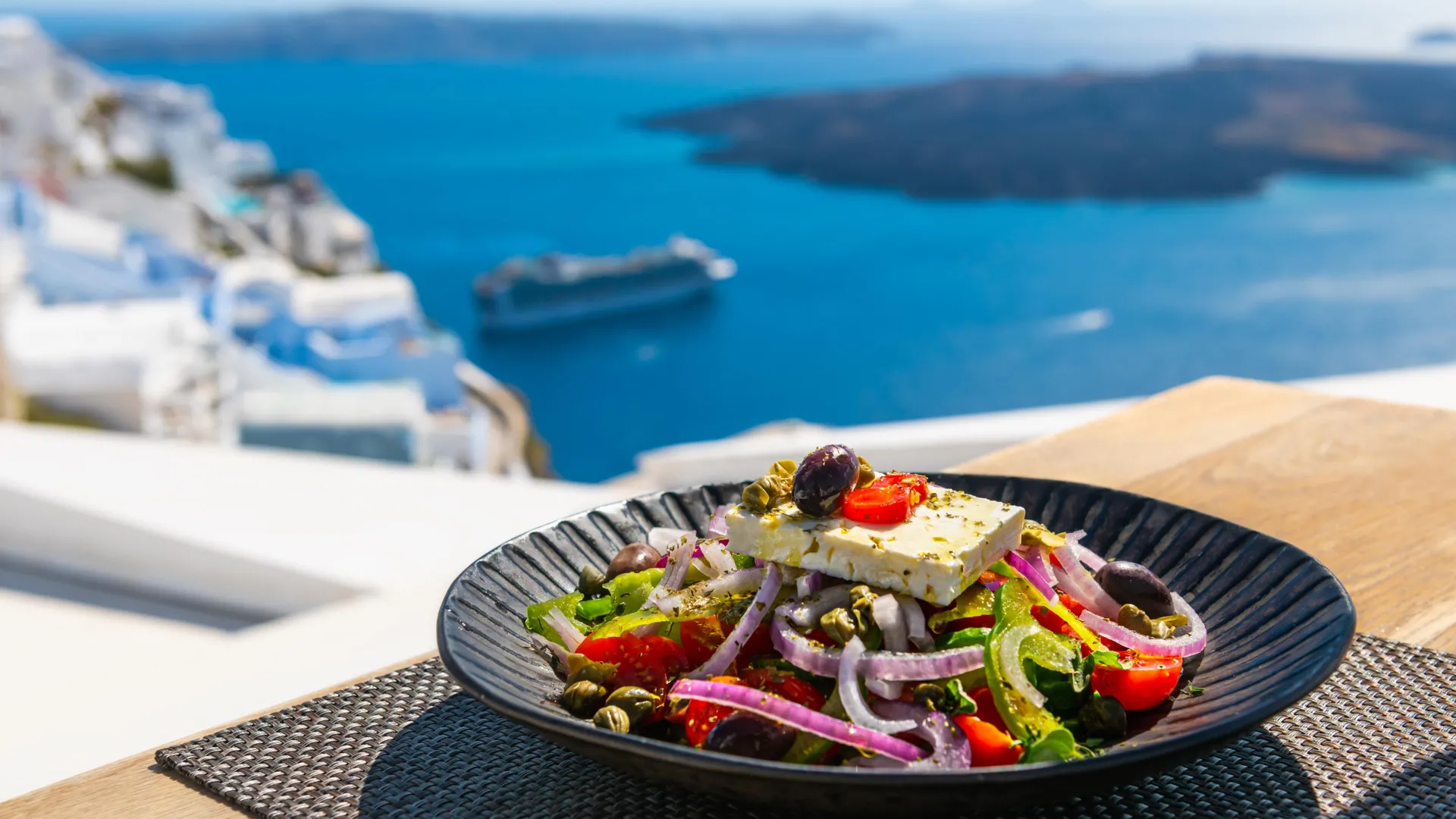
A groundbreaking study, spearheaded by researchers at the USC Leonard Davis School of Gerontology, has unveiled a previously unknown biological pathway through which the revered Mediterranean diet may profoundly influence the aging process. The research, published in Frontiers in Nutrition, points to the unexpected role of minuscule proteins produced within mitochondria, the cell’s powerhouses, in mediating the diet’s extensive health benefits. These tiny molecules, humanin and SHMOOSE, are emerging as key players, acting as molecular messengers that translate dietary choices into cellular function and longevity.
Mitochondria: More Than Just Energy Factories
For decades, mitochondria have been primarily understood as the cellular organelles responsible for generating the energy that fuels all biological processes. However, a paradigm shift has occurred in recent years, revealing that mitochondria are far more complex. They are now recognized as dynamic signaling hubs, releasing crucial chemical signals that orchestrate a wide array of cellular functions. These signals play a vital role in regulating metabolism, modulating inflammatory responses, managing cellular stress, and ultimately, impacting the rate at which we age. This evolving understanding has opened new avenues for exploring the intricate mechanisms underlying health and disease.
A Mediterranean Diet’s Molecular Echo: Humanin and SHMOOSE
The USC-led study observed a significant correlation between adherence to a Mediterranean dietary pattern and elevated blood levels of two specific mitochondrial microproteins: humanin and SHMOOSE. These proteins, though small in size, carry substantial biological weight. Previous research has already established their protective roles against debilitating conditions such as cardiovascular disease and neurodegeneration, the progressive loss of nerve cell function that characterizes diseases like Alzheimer’s. The new findings suggest that the Mediterranean diet may directly bolster these protective mechanisms by increasing the body’s production of these vital microproteins.
Dr. Roberto Vicinanza, an instructional associate professor of gerontology at the USC Leonard Davis School and the study’s lead author, articulated the significance of these findings. "These microproteins may act as molecular messengers that translate what we eat into how our cells function and age," Dr. Vicinanza stated. "It’s a new biological pathway that helps explain why the Mediterranean diet is so powerful." This revolutionary perspective reframes our understanding of nutrition, suggesting that the benefits of certain diets are not solely due to macronutrient profiles but also to the intricate molecular dialogues they initiate within our cells.
Deconstructing the Mediterranean Diet: Key Components and Their Impact
The Mediterranean diet, a lifestyle pattern celebrated for centuries, is characterized by its emphasis on whole, minimally processed foods. Its cornerstone ingredients include abundant olive oil, fish, legumes, fruits, vegetables, and whole grains. Concurrently, it advocates for a significant reduction in refined carbohydrates, heavily processed products, and foods laden with added sugars. This dietary approach has been consistently linked to a lower incidence of chronic diseases, including cardiovascular disease, type 2 diabetes, cognitive decline, and premature mortality.
Despite decades of epidemiological evidence supporting its health benefits, the precise cellular mechanisms responsible for these positive outcomes have remained somewhat elusive. The current study, by focusing on the mitochondrial microproteins, provides a compelling piece of this complex puzzle. The research team meticulously analyzed blood samples from older adults who exhibited varying degrees of adherence to the Mediterranean diet. The results were striking: participants who most closely followed the diet displayed significantly higher concentrations of humanin and SHMOOSE.
Furthermore, these individuals also exhibited lower indicators of oxidative stress. Oxidative stress occurs when the body’s antioxidant defenses are overwhelmed by unstable molecules known as reactive oxygen species (ROS). This imbalance can lead to cellular damage, impacting proteins, fats, and DNA, and is a well-established contributor to the aging process and the development of numerous chronic diseases. The observed reduction in oxidative stress in those adhering to the Mediterranean diet, coupled with elevated microprotein levels, suggests a powerful synergistic effect.
Specific Dietary Pillars: Olive Oil, Fish, and Legumes Emerge as Key Contributors
Delving deeper into the dietary components, the study identified specific foods within the Mediterranean pattern that appear to exert a particularly strong influence on mitochondrial health. A higher intake of olive oil, fish, and legumes was significantly associated with increased levels of humanin. Olive oil, renowned for its monounsaturated fatty acids and polyphenols, and legumes, rich in fiber and plant-based proteins, have long been lauded for their health properties. Their direct link to humanin production underscores their vital role in cellular protection.
Similarly, olive oil, alongside a reduced intake of refined carbohydrates, showed a strong association with higher levels of SHMOOSE. Refined carbohydrates, such as those found in white bread, pastries, and many sugary snacks, are stripped of their natural fiber and nutrients during processing. They are rapidly digested, leading to sharp spikes in blood sugar and contributing to systemic inflammation and metabolic dysregulation. The inverse relationship between refined carbohydrate consumption and SHMOOSE levels highlights the detrimental impact of these processed foods on mitochondrial function.
Pinchas Cohen, Dean of the USC Leonard Davis School and USC Distinguished Professor, and the study’s senior author, emphasized the implications of these findings. "These findings suggest that specific components of the Mediterranean diet may directly influence mitochondrial biology," said Professor Cohen. "Humanin and SHMOOSE could serve as biomarkers for adherence to the Mediterranean diet and have clinical significance." The concept of humanin and SHMOOSE acting as biomarkers is particularly exciting, offering a quantifiable way to assess the effectiveness of dietary interventions and individual responses.
Mitochondrial Microproteins: Tiny Molecules with Monumental Impact
The discovery and investigation of humanin and SHMOOSE build upon over two decades of pioneering research led by Professor Cohen, who was instrumental in the initial identification of peptides produced by mitochondria. While most human proteins are synthesized based on genetic instructions encoded in the DNA within the cell’s nucleus, mitochondria possess their own unique genetic material. This mitochondrial DNA, inherited separately from nuclear DNA, contains instructions for producing a range of biologically active molecules, including these microproteins.
Humanin and SHMOOSE originate from short, previously overlooked regions of the mitochondrial genome known as small open reading frames (sORFs). Once dismissed as having little functional significance, these sORFs are now recognized as critical sources of potent microproteins. Humanin, among the most extensively studied, was first identified by Professor Cohen and his colleagues in 2003. Subsequent research has linked it to a multitude of benefits, including improved insulin sensitivity, cardiovascular protection, extended lifespan, and the preservation of cognitive function.
More recently, Professor Cohen’s laboratory identified SHMOOSE (Small Human Mitochondrial ORF Over SErine tRNA). This microprotein has shown promise in promoting brain health. Interestingly, one genetic variant of SHMOOSE has been associated with an increased risk of Alzheimer’s disease, while the normal form appears to offer neuroprotection, shielding neurons from damage caused by amyloid plaques—a hallmark of Alzheimer’s pathology.
Professor Cohen summarized the emerging role of these molecules: "These peptides are emerging as key regulators of aging biology. They connect mitochondrial function to diseases like Alzheimer’s and heart disease and now, potentially, to nutrition." This statement underscores the profound interconnectedness of nutrition, cellular health, and age-related diseases, all mediated by these newly illuminated mitochondrial actors.
A Novel Pathway for Cardiovascular Protection
The study also uncovered a potential link between humanin and Nox2, an enzyme implicated in the production of reactive oxygen species. While ROS play essential roles in normal cellular signaling and immune responses, an overproduction can lead to tissue damage and increased oxidative stress. The research found that higher levels of humanin were associated with lower Nox2 activity, suggesting that humanin may act to mitigate the detrimental effects of ROS.
This observation points to a potentially novel mechanism by which the Mediterranean diet could protect the cardiovascular system. It appears to operate on two fronts: directly reducing oxidative stress and simultaneously enhancing the production of mitochondrial microproteins that help regulate damaging cellular pathways. "This could represent a new cardioprotective mechanism of the Mediterranean diet," Dr. Vicinanza remarked, highlighting the potential for this research to inform new therapeutic strategies for heart health.
Global Recognition and the Future of Precision Nutrition
The implications of this research extend beyond the laboratory. Dr. Vicinanza has been a vocal advocate for the Mediterranean diet, promoting it not only for its health benefits but also for its cultural and environmental sustainability. His collaborations, including work with the Municipality of Pollica in Italy, a UNESCO Mediterranean Diet emblematic community, have contributed to the establishment of the International Day of the Mediterranean Diet at the United Nations, observed annually on November 16. This initiative aims to raise global awareness of the diet’s multifaceted importance.
Dr. Vicinanza views this mission as intrinsically linked to the scientific findings. "We’re connecting centuries-old dietary traditions with cutting-edge molecular biology," he stated. "It supports the idea that healthy eating patterns with little to no ultra-processed foods reflect how humans have eaten over long periods and may create conditions to which mitochondria—ancient cellular organelles—are likely adapted." This perspective emphasizes the evolutionary wisdom embedded in traditional dietary practices, suggesting that our bodies are inherently optimized for nutrient-dense, minimally processed foods. Mitochondria, considered ancient organelles due to their evolutionary origins from bacteria more than a billion years ago, may be particularly responsive to these time-tested eating patterns.
Towards Personalized Dietary Strategies
While the study’s findings are promising, the researchers acknowledge its observational nature and relatively small sample size. This means that while associations were identified, direct causality could not be definitively proven. Numerous other factors, including physical activity, overall health status, medication use, genetic predispositions, and lifestyle choices, could have influenced the observed results.
Nevertheless, these findings represent a significant step towards the emerging field of precision nutrition. This approach seeks to move beyond generic dietary guidelines and develop personalized recommendations based on an individual’s unique biological characteristics, including genetics, metabolism, and gut microbiome. Humanin, SHMOOSE, and other mitochondrial microproteins could become valuable tools in this endeavor, enabling scientists to identify which dietary patterns are eliciting beneficial cellular responses in specific individuals.
The next phase of research will focus on establishing causality. Future studies aim to determine whether intentional dietary changes can directly increase levels of these microproteins and, crucially, whether these increases translate into a measurable reduction in disease risk. "Our goal is to move from observing associations to understanding causality," Dr. Vicinanza explained. "If we can harness these pathways, we may be able to design nutritional strategies that promote healthy aging at the molecular level." This forward-looking vision holds the potential to revolutionize how we approach diet and its impact on longevity and disease prevention.
Study Details and Funding
The study, titled "Mediterranean diet adherence is associated with mitochondrial microproteins Humanin and SHMOOSE; potential role of the Humanin-Nox2 interaction in cardioprotection," was published on March 9, 2026, in the peer-reviewed journal Frontiers in Nutrition. Coauthors from the USC Leonard Davis School included Junxiang Wan and Kelvin Yen. The research also involved Vittoria Cammisotto, Francesco Violi, and Pasquale Pignatelli from Sapienza University of Rome.
The work was supported by several grants, including the USC Daryl and Irwin Simon Nutrition for Alzheimer’s Disease Prevention Research Fund (awarded to Dr. Vicinanza), the Hanson-Thorell Family Research Award (also to Dr. Vicinanza), National Institutes of Health grant P30AG094848 (to Professor Cohen), and PRIN 2022 grant 000031_23_PP_PIGNATELLI_PRIN_2022-B53D23021240006 (to Dr. Pignatelli). This collaborative effort and diverse funding underscore the broad interest and importance of this research within the scientific community.