
 Ana Megawati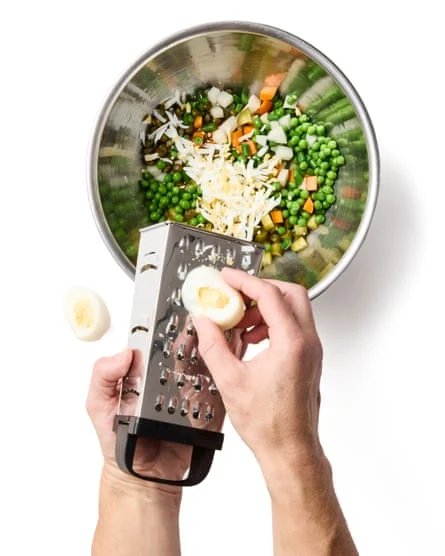
Known across much of the globe, including its birthplace, as salade olivier or simply "Russian salad," this iconic dish transcends mere culinary status to embody a rich tapestry of history, cultural evolution, and universal appeal. Credited to the Belgian-born chef Lucien Olivier in 19th-century Moscow, its widespread popularity is a testament to its remarkable adaptability, essential deliciousness, and capacity to evoke nostalgia and festivity. From the opulent dining rooms of imperial Russia to humble Soviet kitchens and now international tables, Salade Olivier has continuously reinvented itself, becoming a culinary chameleon robust enough for casual picnics, satisfying packed lunches, and the centerpiece of grand celebrations, effortlessly pairing with a diverse array of main courses.
The Aristocratic Origins: Lucien Olivier and the Hermitage Restaurant
The story of Salade Olivier begins in the 1860s at the Hermitage, one of Moscow’s most renowned and fashionable restaurants, owned by the eponymous chef Lucien Olivier. Born in Belgium, Olivier established his culinary reputation in Russia, becoming a fixture in Moscow’s high society. His signature dish, originally known as "Mayonnaise de Gibier" (Game Mayonnaise), quickly became the restaurant’s most famous offering. The original recipe was a far cry from the potato-laden version known today, reflecting the extravagant tastes of the Russian aristocracy. Historical accounts suggest it featured an elaborate combination of ingredients: roasted hazel grouse and partridge, slices of veal tongue, caviar, crayfish tails, capers, smoked duck, and perhaps even truffles. These premium components were artfully arranged and bound together by a proprietary mayonnaise, the exact formula of which was a closely guarded secret.
Chef Olivier’s mayonnaise was legendary. Unlike common mayonnaise, his version was said to incorporate a secret blend of herbs and spices, possibly including French wine vinegar, Dijon mustard, and virgin olive oil, which imparted a unique and unforgettable flavour. The salad was presented as a culinary masterpiece, often served as an individual dish, meticulously composed to showcase each luxurious ingredient. The meticulous preparation and the exclusivity of its components solidified its status as a symbol of wealth and refined taste, accessible only to the city’s elite. For decades, the Hermitage restaurant flourished, largely on the back of this extraordinary creation, cementing Lucien Olivier’s legacy in Russian gastronomy.

A Culinary Revolution: From Elite Delicacy to Soviet Staple
The October Revolution of 1917 marked a seismic shift in Russian society, and its culinary landscape was no exception. The Hermitage restaurant closed its doors, and with it, the original, precise recipe for Salade Olivier was effectively lost. However, the concept of a rich, creamy, mixed salad proved too compelling to disappear entirely. In the post-revolutionary era, as the Soviet Union began to take shape, there was a concerted effort to create a new, accessible cuisine that reflected socialist ideals of equality and availability. The "bourgeois" ingredients of the original Olivier salad were replaced with more affordable and readily available substitutes, transforming it into a dish for the masses.
This period saw the birth of what would become known as "Stolichny Salad" (Capital City Salad) or simply "Russian Salad" outside of Russia. Game birds gave way to boiled chicken or, more commonly, "Doktorskaya Kolbasa" (doctor’s sausage), a mild, finely ground bologna-like sausage that became a ubiquitous Soviet product. Caviar and crayfish were replaced by boiled eggs and frozen peas. The core starchy component became waxy potatoes, along with carrots, green beans, and pickled gherkins, all bound by a generous application of mayonnaise. This transformation was not merely about ingredient substitution; it was a fundamental reinterpretation that stripped away the aristocratic pretense and embraced a new, democratic culinary identity. The process was largely driven by necessity, but the resulting dish resonated deeply with the Soviet populace, becoming a symbol of celebratory meals and a testament to ingenuity in times of scarcity.
The Global Ambassador: International Adaptations and Nomenclature
The enduring appeal of Salade Olivier ensured its spread far beyond the borders of Russia, adopting various names and local modifications along the way. In Spain, it is widely known as Ensaladilla Rusa (Little Russian Salad), often featuring tuna, olives, and sometimes red peppers, reflecting Mediterranean culinary influences. Across the Balkan states, from Serbia to Bulgaria, it remains a beloved festive dish, typically incorporating potatoes, carrots, peas, pickles, and ham or chicken, dressed with mayonnaise. In Turkey, it’s Rus Salatası, a common mezze item found in virtually every restaurant and household, usually featuring a similar vegetable base.
The salad’s journey continued to other continents. In Latin American countries, particularly in Argentina and Uruguay, a version often called Ensalada Rusa is popular, especially during holidays, and frequently includes apples for a touch of sweetness. Iran has its own Salad-e Olivieh, often made with shredded chicken or beef, potatoes, peas, and carrots, served as a sandwich filling or on its own. Even in countries like Mongolia and Vietnam, variations exist, demonstrating the dish’s incredible ability to assimilate into diverse culinary traditions while retaining its core identity as a creamy, satisfying vegetable and meat (or vegetarian) mélange. This global proliferation underscores not only the dish’s inherent deliciousness but also its remarkable adaptability to local palates and available ingredients, proving its status as a true culinary ambassador.
The Craft of Creation: Essential Ingredients and Preparation
While the exact makeup of Salade Olivier can vary widely, a core set of ingredients forms its foundational character, as detailed in many traditional recipes. The preparation, though seemingly simple, benefits from attention to detail to ensure optimal texture and flavour.
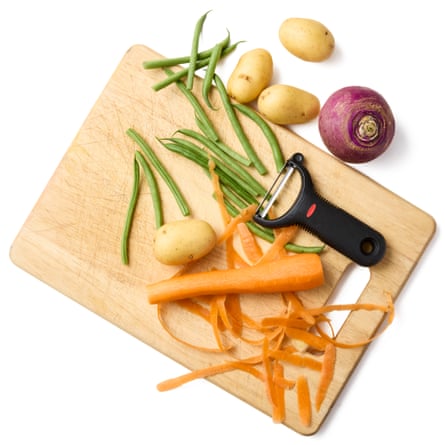
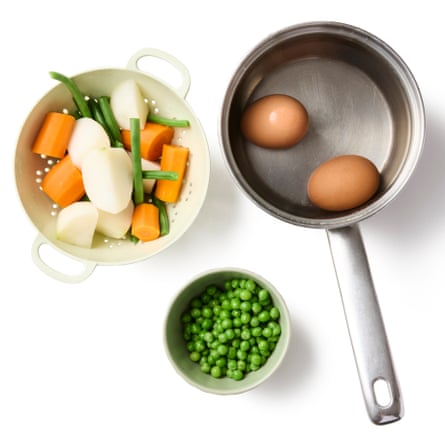
For the salad base, waxy potatoes, typically about 200g (approximately four small ones), are paramount for their ability to hold their shape after cooking, preventing a mushy texture. Carrots, around 100g (one medium), add sweetness and vibrant colour. Turnip, often 100g (half a medium one), provides a subtle peppery note, though some prefer to substitute it with additional potatoes for a milder flavour. These root vegetables are carefully peeled and cooked separately to ensure each reaches its perfect tender-crisp state without overcooking. Boiling them in salted water enhances their natural flavour.
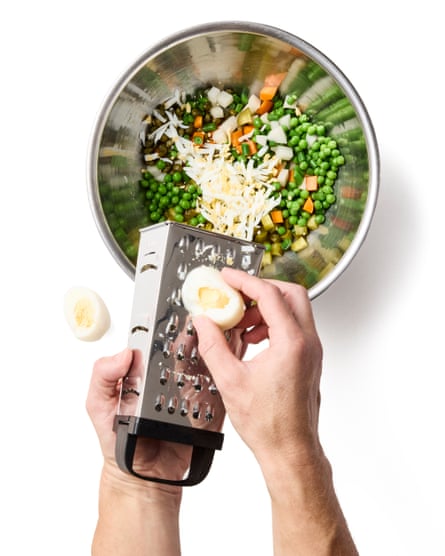
Green beans (around 50g) are blanched briefly, then plunged into cold water to retain their crispness and bright green hue. Hard-boiled eggs (two, optional but highly recommended) add richness and protein, typically grated or finely diced into the mixture. Frozen peas (75g) are thawed simply by pouring boiling water over them, contributing a pop of sweetness. Crucial for the salad’s characteristic tang are two large gherkins, finely diced, along with two tablespoons of their pickling liquid, which cuts through the richness of the mayonnaise. A tablespoon of capers, rinsed if necessary, adds another layer of briny complexity.
Optional protein additions are a hallmark of the salad’s versatility. Historically, the Soviet version often featured 50g of ham or "doctor’s sausage." Modern iterations frequently use pressed tongue, cooked chicken, or for plant-based alternatives, tofu or drained beans/pulses. Cooked fish or seafood, such as brown shrimp, smoked trout, or white crabmeat, also make for delightful, albeit more luxurious, additions. The final touch of freshness comes from a small bunch of finely chopped dill or chives, which brightens the overall flavour profile.
The Indispensable Mayonnaise: A Binding Legacy
Central to the identity and appeal of Salade Olivier is the mayonnaise that binds it all together. Its quality is paramount, as it is not merely a dressing but an integral component that marries the disparate flavours and textures into a harmonious whole. While ready-made mayonnaise is a convenient option, many aficionados argue that homemade mayonnaise elevates the dish to another level, echoing Lucien Olivier’s original "secret."
Making mayonnaise from scratch, especially with a stick blender, has become an accessible art. A typical recipe calls for one whole egg, two teaspoons of Dijon mustard, a generous pinch of salt, and one tablespoon of white-wine vinegar or lemon juice for tang. The oil component typically comprises 180ml of a neutral oil like groundnut, light olive, or sunflower oil, with an optional 25ml of extra-virgin olive oil for added depth. The stick-blender method involves combining the egg, mustard, salt, and vinegar in a jar just wide enough for the blender head. The neutral oil is poured on top, allowed to settle, and then the blender is plunged to the bottom. High-speed blending, without lifting the head initially, emulsifies the mixture from the bottom up, creating a thick, creamy mayonnaise that gradually incorporates the remaining oil as the blender is slowly lifted. The result is a fresh, vibrant, and perfectly seasoned mayonnaise that makes all the difference in the final salad.
Cultural Significance and Festive Traditions

Beyond its ingredients, Salade Olivier holds profound cultural significance, particularly in Russia and many post-Soviet countries. It is an indispensable dish for New Year’s Eve celebrations, a holiday that often surpasses Christmas in importance in these regions. Preparing a large bowl of Salade Olivier is a cherished tradition, symbolizing abundance, prosperity, and the joy of coming together. Families gather to chop vegetables, mix the ingredients, and share stories, making the preparation itself a communal ritual.
The salad’s presence at New Year’s tables is so ingrained that its absence would be unthinkable for many. It represents comfort, nostalgia for simpler times, and a connection to a shared cultural heritage. Its appearance signals the start of festivities, often alongside other traditional dishes like herring under a fur coat (Shuba) and champagne toasts. This cultural embedding highlights how food can transcend its nutritional purpose to become a powerful emblem of identity, memory, and celebration, reinforcing social bonds and preserving traditions across generations.
Modern Interpretations and Enduring Appeal
In contemporary culinary discourse, Salade Olivier continues to evolve. While the traditional Soviet-era recipe remains a beloved standard, chefs and home cooks alike are increasingly exploring modern interpretations. Some seek to recreate the elusive original recipe of Lucien Olivier, meticulously sourcing game meats, truffles, and premium ingredients. Others experiment with lighter versions, using Greek yogurt instead of some mayonnaise, or incorporating fresh herbs and different vegetables to suit modern palates and dietary preferences. Vegan versions, utilizing plant-based mayonnaise and protein substitutes, are also gaining traction, demonstrating the dish’s capacity for continuous adaptation.
The enduring appeal of Salade Olivier lies in its remarkable balance of textures—the soft potatoes, crisp carrots, tender peas, and crunchy gherkins—and its harmonious blend of flavours: creamy, tangy, savory, and subtly sweet. It is a comforting dish that evokes warmth and familiarity, yet its versatility allows for endless customization. Whether served as a hearty main, a substantial side, or a delectable spread, its robust nature ensures it keeps well, making it ideal for meal prepping or large gatherings.
From its opulent beginnings as an exclusive delicacy for imperial aristocrats to its transformation into a democratic staple of Soviet tables and its subsequent global spread, Salade Olivier has navigated centuries of social, political, and economic change. It stands as a remarkable testament to the power of food to adapt, to unite, and to endure, forever etching its place as a timeless classic in the annals of world cuisine.








