Layla Zulfa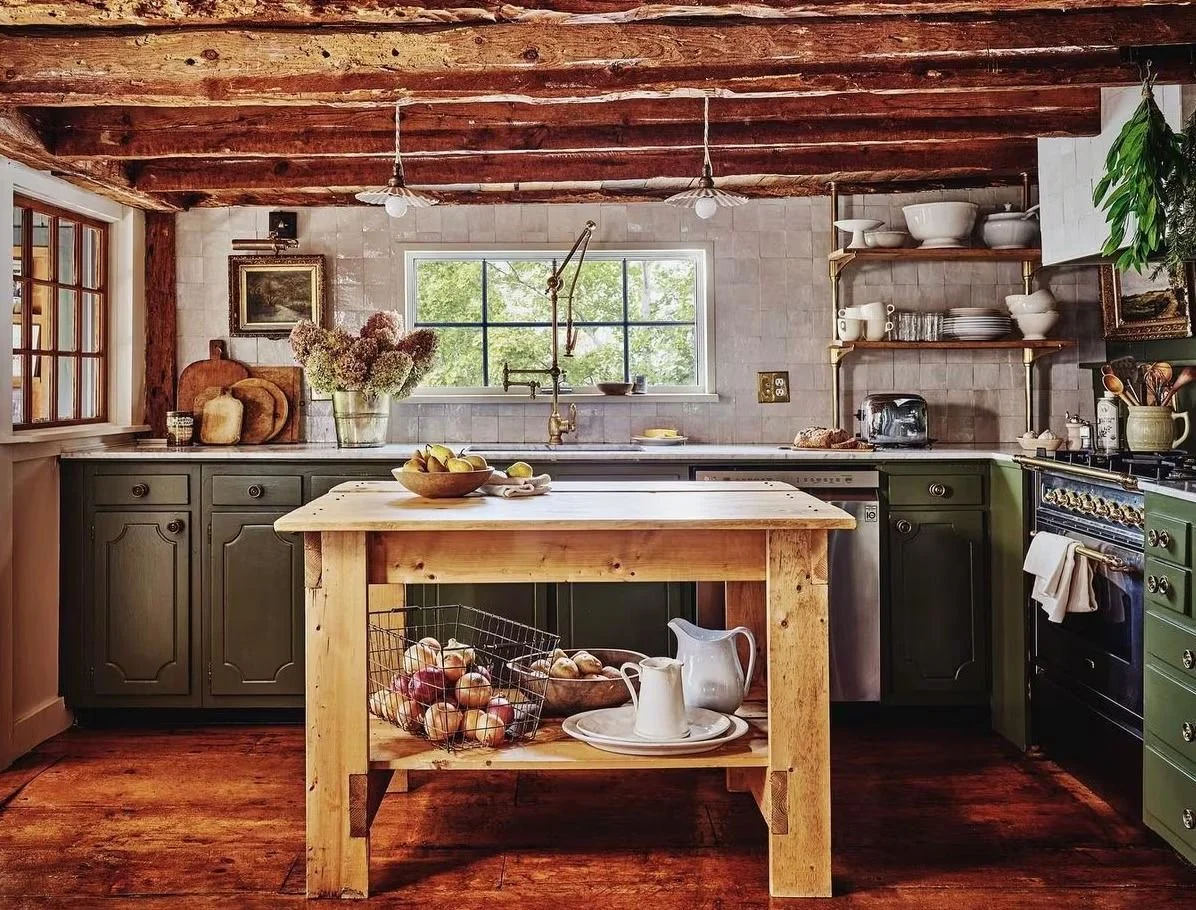
Cape Cod’s short-term rental market has transformed into a sophisticated landscape that mirrors the diverse geography and deep-rooted history of the 65-mile Massachusetts peninsula. Stretching from the "Gateway" towns of Bourne and Falmouth near the mainland to the remote, artistic enclave of Provincetown at the northernmost tip, the Cape is composed of 15 distinct towns. Each municipality offers a unique character, ranging from the colonial-era charm of Sandwich and the bustling maritime hubs of Hyannis to the windswept, protected dunes of the Outer Cape. This regional diversity is increasingly reflected in the high-end rental market, where travelers now seek more than just proximity to the shore; they demand an immersion into the Cape’s specific architectural narratives, whether through centuries-old saltboxes or mid-century modern retreats.
The shift in the hospitality sector on the Cape has been marked by a move toward "curated stays." Across the peninsula, the inventory of accommodations has expanded beyond traditional motels and bed-and-breakfasts to include architecturally significant homes. These range from 17th-century residences filled with antiques to sleek, contemporary builds featuring panoramic water views. For families, couples, and seasonal travelers, these rentals have become a primary means of experiencing the "unmistakable sense of place" that defines New England’s premier coastal destination.
The Economic and Regulatory Landscape of Cape Cod Tourism
The Cape Cod tourism industry remains a vital engine for the Massachusetts economy, generating billions of dollars in annual spending. According to data from the Cape Cod Chamber of Commerce, the region attracts millions of visitors each year, with the summer months seeing a population surge that can quadruple the year-round residency. This influx has driven a surge in the short-term rental (STR) market, which is now subject to the Massachusetts Room Occupancy Tax. This tax, which includes a state fee of 5.7% and additional local options and Cape Cod & Islands Water Protection Fund fees, has integrated STRs into the formal municipal revenue stream.
Recent years have seen a tension between the lucrative tourism market and the need for year-round housing. In response, towns like Provincetown and Barnstable have implemented stricter registration requirements and inspections for short-term rentals to ensure safety and community stability. Despite these regulations, the demand for luxury, high-design rentals continues to grow, with nightly rates for premium properties often exceeding $1,500 during the peak July and August window.
A Chronology of Cape Cod Development
The architectural evolution of the Cape follows a clear historical timeline that is still visible in its rental inventory today:
- The Colonial Era (1630s–1700s): Settlement began in towns like Sandwich (1637) and Yarmouth. Architecture was utilitarian, characterized by the "Cape Cod House"—a low, broad, frame building with a steep pitched roof and central chimney.
- The Maritime Boom (1800s): The rise of whaling and fishing led to the construction of grander Captains’ homes, many of which are now preserved as luxury rentals or museums.
- The Mid-Century Modern Movement (1940s–1960s): The Outer Cape, particularly Truro and Wellfleet, became a haven for European modernists like Marcel Breuer and Walter Gropius. This era introduced "Cape Modernism," featuring homes that emphasized integration with the rugged landscape.
- The National Seashore Act (1961): President John F. Kennedy signed legislation protecting 43,000 acres of land, halting massive commercial development and ensuring that the "wild" character of the Outer Cape remained intact.
- The Luxury Contemporary Era (2000s–Present): A new wave of construction has focused on high-performance, glass-heavy designs that maximize water views while adhering to strict environmental coastal codes.
Case Studies in Architectural Diversity: Premium Rental Profiles
The following properties exemplify the current trends in the Cape Cod rental market, showcasing how design and location converge to create a high-value guest experience.
Freshwater Serenity in Falmouth: The Lake Shore Cottage
While the Cape is famous for its saltwater beaches, the interior freshwater ponds and lakes offer a more secluded, quiet alternative. In Falmouth, the Lake Shore Cottage represents the "thoughtful renovation" trend. This three-bedroom home balances classic New England aesthetics—white shiplap walls and warm wood accents—with modern functionalism.
Priced from $768 per night, the property emphasizes the "indoor-outdoor" lifestyle. A wraparound deck and a private sandy beach shared with only one neighbor cater to the growing demand for "socially distanced" luxury. The inclusion of kayaks and paddleboards as standard amenities reflects a broader market shift where hosts provide full "experience packages" rather than just lodging.
Estuary Living in Eastham: The Seaside Retreat
Eastham serves as the gateway to the Cape Cod National Seashore. The Seaside Retreat, located near the Nauset Estuary, highlights the importance of environmental context. With floor-to-ceiling windows and mid-century touches, the home is designed to function as an observation deck for the surrounding salt marshes.
At $847 per night, this property caters to the "eco-tourist" demographic. Its proximity to the Salt Pond Visitor Center and the Coast Guard Beach—frequently cited as one of the best beaches in the United States—positions it within a high-traffic area for nature enthusiasts. The home’s dog-friendly policy and inclusion of a clawfoot tub demonstrate a focus on the "wellness" and "family-inclusive" segments of the market.
Contemporary Coastal Luxury in Bourne: Pocasset Private Beach Retreat
For travelers entering the Cape via the Bourne Bridge, the Pocasset area offers a modern contrast to the historic villages. The Pocasset Private Beach Retreat is a newly built home that departs from the traditional clapboard aesthetic in favor of "coastal contemporary."
With soaring ceilings, custom millwork, and dramatic marble slabs, this property targets the high-end luxury market, with rates starting at $1,684 per night. The addition of a hot tub, fire pit, and a golf cart for neighborhood exploration reflects the "resort-at-home" trend that gained momentum during the post-2020 travel boom.
Historical Preservation in Sandwich: The 1639 Cottage
The town of Sandwich offers a starkly different experience, rooted in its status as the Cape’s oldest town. A restored home dating back to 1639 allows guests to inhabit a piece of American history. Preservationists have maintained hand-hewn beams and wide-plank floors while integrating modern kitchens and climate control.
This property, priced from $1,753 per night, appeals to the "heritage traveler." It is situated within walking distance of the town’s historic center, including the Glass Museum and the Dexter Grist Mill, illustrating how historical authenticity can be a major driver of rental value.
Maritime Proximity in Provincetown and Truro
At the end of Route 6, Provincetown and Truro offer the most dramatic landscapes. In Provincetown, the Waterfront Beach Suite on a pier provides a "floating" experience above the bay. Its $1,019 per night price tag is a reflection of the extreme scarcity of waterfront property in the densely packed town.
In Truro, "The Baumhaus" serves as a premier example of Cape Modernism. The home preserves cork floors and original built-in cabinetry, appealing to design aficionados who value architectural integrity. With a nightly rate of $888, it offers a mid-range entry point into the world of high-concept design, supported by modern appliances from Miele and Fisher & Paykel.
Broader Implications for the Cape Cod Region
The proliferation of high-end, architecturally significant Airbnbs has several implications for the region’s future:
1. Appreciation of Property Values: The success of these rentals has contributed to a sharp increase in property values across the Cape. While beneficial for homeowners, this has raised concerns regarding the "missing middle" of the housing market, making it difficult for the seasonal workforce—essential for restaurants and shops—to find affordable housing.
2. Preservation vs. Modernization: The market has created a financial incentive for the preservation of historic homes. However, it also creates pressure to "modernize" interiors, which can sometimes strip away the very historical character that makes the Cape unique.
3. Seasonal Extension: By offering amenities like fireplaces, home gyms, and high-end kitchens, these rentals are helping to extend the Cape’s "shoulder season." Travelers are increasingly visiting in the fall and spring for "work-from-anywhere" retreats, providing a more stable year-round economy for local businesses.
4. Environmental Impact: Many of these properties are located in ecologically sensitive zones, such as the Nauset Estuary or the Truro dunes. The management of these rentals requires a delicate balance between guest access and environmental conservation, a task that local conservation commissions are monitoring with increasing scrutiny.
Conclusion
The short-term rental market on Cape Cod has evolved into a sophisticated sector that prizes architectural storytelling and site-specific experiences. From the 17th-century foundations of Sandwich to the glass-walled modernism of the Outer Cape, these homes provide a lens through which the history and geography of the peninsula are filtered. As the region moves forward, the challenge for town planners and the tourism industry will be to sustain this high-value market while preserving the community fabric and natural beauty that have made Cape Cod a global destination for centuries. The diversity of the current rental inventory suggests that, for now, the Cape remains a premier laboratory for coastal living and architectural adaptation.