Ana Megawati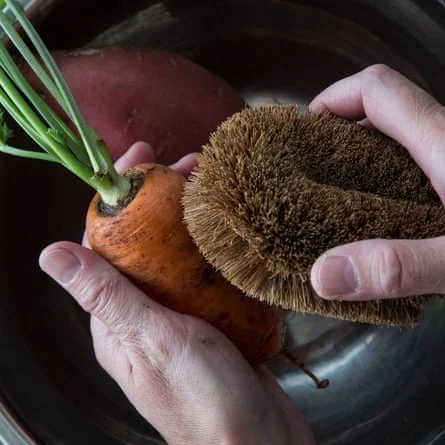
The United States is currently grappling with a significant Cyclospora outbreak, prompting widespread public health advisories and a reevaluation of household produce cleaning practices, particularly during the peak summer salad season. This parasitic illness, known for causing severe gastrointestinal distress including watery, often explosive diarrhea, has affected thousands of individuals across various states, with the Centers for Disease Control and Prevention (CDC) anticipating its continued spread through August. Initial investigations by health officials have pointed towards iceberg lettuce supplied by Taylor Farms to Taco Bell establishments as a potential primary source, intensifying scrutiny on food safety protocols within the supply chain and at the consumer level.

Understanding the Cyclospora Threat
Cyclospora cayetanensis is a microscopic parasite that causes cyclosporiasis, an intestinal infection. Unlike many common foodborne pathogens, Cyclospora is notoriously hardy and requires specific conditions for its oocysts (eggs) to become infectious. This maturation process, known as sporulation, typically occurs outside the human body in warm, moist environments, often in contaminated water or soil. Once ingested, these sporulated oocysts infect the small intestine, leading to a range of symptoms.
The incubation period for cyclosporiasis can vary widely, from two days to two weeks, but typically manifests within about a week. Symptoms are primarily gastrointestinal, characterized by sudden onset of watery diarrhea, stomach cramps, nausea, loss of appetite, weight loss, and fatigue. Fever is uncommon. While often self-limiting, the illness can be prolonged and relapse, with symptoms recurring for weeks or even months if left untreated. Vulnerable populations, including young children, the elderly, and immunocompromised individuals, face a higher risk of severe or protracted illness, potentially requiring hospitalization. Treatment typically involves specific antibiotics, primarily trimethoprim-sulfamethoxazole.
Historically, Cyclospora outbreaks have been linked to various types of fresh produce, particularly those that are often consumed raw and have a high surface area or intricate structures where the parasite can hide, such as leafy greens, berries (raspberries, blackberries), herbs (basil, cilantro), and snap peas. Contamination often occurs at the agricultural level through irrigation water, contaminated harvesting equipment, or infected food handlers. A notable challenge in controlling Cyclospora is its resistance to common disinfectants like chlorine, making thorough physical cleaning paramount.
Chronology of the Current Outbreak
The current outbreak gained national attention in mid-July 2026, following a surge in reported cases of cyclosporiasis across multiple states. Public health laboratories, utilizing advanced diagnostic techniques, quickly identified Cyclospora cayetanensis as the causative agent. By July 14, the CDC issued an initial health alert, noting the rapidly increasing case count, which had already surpassed several thousand confirmed and probable infections. The widespread nature of the illness, spanning numerous geographical regions, suggested a common, widely distributed food source.

Intensive epidemiological investigations, including traceback efforts and interviews with affected individuals, rapidly honed in on a cluster of cases linked to consumption of food from Taco Bell restaurants. Further scrutiny revealed that iceberg lettuce, a staple ingredient in many Taco Bell offerings, was a common exposure among patients. By July 16, Taylor Farms, a major produce supplier, was identified as the likely source of the implicated iceberg lettuce, prompting a voluntary withdrawal of certain lettuce products from the supply chain, though a full-scale recall had not yet been initiated as the investigation was ongoing. The FDA, in conjunction with state agricultural and health departments, commenced inspections of Taylor Farms facilities and their associated growing regions to identify the exact point of contamination. The CDC’s projection for the outbreak to continue through August underscores the parasite’s prolonged incubation period and the potential for new cases to emerge from earlier exposures, as well as the ongoing investigative challenges.
Official Responses and Public Health Directives
In response to the escalating crisis, both the CDC and the U.S. Food and Drug Administration (FDA) have intensified their public health messaging. The CDC has reiterated its longstanding recommendation that cooking vegetables thoroughly is the most effective method for killing Cyclospora cayetanensis, as heat treatment to 70°C (158°F) or higher renders the parasite non-infectious. However, recognizing that many implicated foods, like lettuce, are typically consumed raw, the focus has shifted to rigorous washing and preparation techniques.
The FDA has specifically advised consumers to discard the outer layers of raw produce, particularly leafy greens, and to consider peeling fruits and vegetables where applicable. While acknowledging that simply washing produce with tap water is generally considered sufficient under normal circumstances, the current heightened risk of cyclosporiasis necessitates an "extra thorough" approach. This includes washing even pre-washed bagged vegetables, as the parasite’s resistance to standard washing processes used in commercial facilities means a second wash at home could provide an additional layer of protection.
Furthermore, public health authorities stress the foundational importance of basic food hygiene:
- Handwashing: Always wash hands thoroughly with soap and warm water for at least 20 seconds before and after handling any food, especially fresh produce.
- Surface Cleaning: Clean and sanitize all countertops, cutting boards, utensils, and sinks that come into contact with fresh produce to prevent cross-contamination.
- Separation: Keep fruits and vegetables separate from raw meat, poultry, and seafood during storage and preparation.
Elevating Home Produce Cleanliness: Tools and Techniques
For consumers seeking to enhance their produce cleaning regimen and mitigate the risk of infection, especially during periods of heightened concern like the current Cyclospora outbreak, several kitchen tools and techniques can prove invaluable. A food writer and product reviewer with nearly a decade of experience in testing cooking gadgets recommends a suite of tools that can significantly elevate the cleanliness of fresh produce.
-
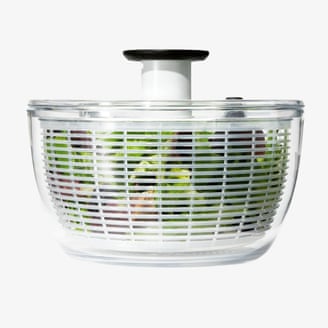
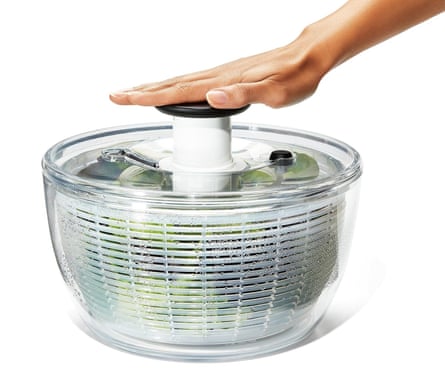
The Salad Spinner: Essential for leafy greens, a quality salad spinner like the OXO Good Grips Salad Spinner (from $32.95 at Amazon or Macy’s) employs centrifugal force to effectively remove excess water and dislodge microscopic contaminants. After a thorough rinse under running water, spinning greens ensures they are not only crisp for consumption but also maximally free of lingering dirt and potential parasitic oocysts. Its one-handed operation and brake mechanism make it user-friendly, and its dishwasher-safe design promotes easy sanitation, which is critical for food safety.

-
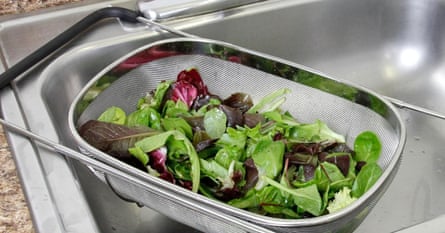
Over-the-Sink Colander: For draining larger quantities of fruits and vegetables, or items that aren’t suitable for a salad spinner, an over-the-sink colander offers convenience and efficiency. The US Kitchen Supply Stainless Steel Colander (from $19.99 at Amazon or Walmart) is designed to rest securely over the sink, allowing gravity to assist in thorough draining. Its roomy capacity and fine mesh are ideal for keeping even small items contained while ensuring water drips directly into the sink, preventing re-contamination. Expandable rubber handles provide stability, and its dishwasher-safe construction simplifies cleaning.
-
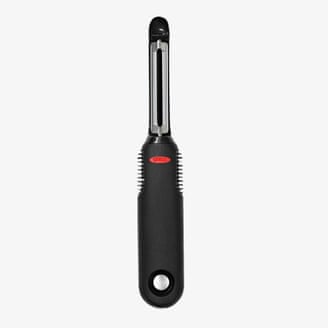
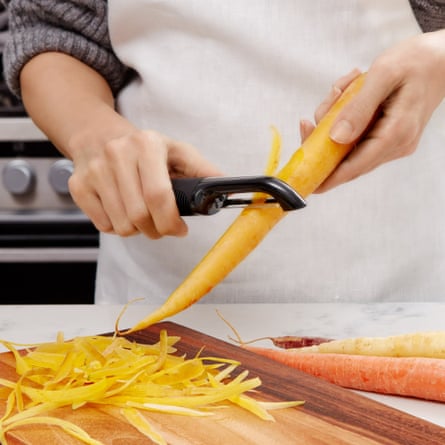
Reliable Peeler: Peeling is a highly effective method recommended by the FDA to remove the outermost layers of produce where parasites like Cyclospora can reside. A sharp, ergonomic peeler is indispensable for this task. The OXO Good Grips Pro Swivel Peeler (from $12.97 at Walmart, or $12.99, originally $17.99 at Amazon) features a die-cast zinc body and a stainless steel swivel blade, making it effortless to remove skins from potatoes, apples, cucumbers, and other firm produce. Its non-slip, ergonomic handle provides excellent control, reducing the risk of accidents. The ability to replace the blade extends its lifespan and maintains its efficiency, ensuring consistent removal of potentially contaminated surfaces.
-
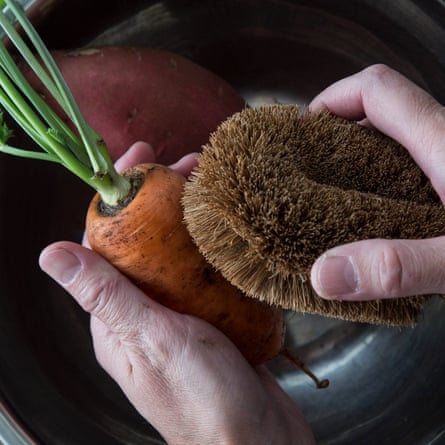
Dedicated Produce Brush: For root vegetables and produce with irregular or firm skins where peeling isn’t feasible or desired, a dedicated scrub brush is invaluable. The traditional Japanese Tawashi Brush (from $9 at Jinen, or $9.80, originally $14 at Fable) is an excellent, environmentally friendly option. Made from natural coconut palm fibers, its firm bristles are highly effective at dislodging soil, dirt, and other organic matter from carrots, daikon, yams, and other produce, without causing damage. Its easy-to-clean and biodegradable nature makes it a sustainable choice for thorough scrubbing.
-
Specialized Produce Wash: While tap water is the FDA’s primary recommendation, and homemade solutions like baking soda and water can help remove pesticides, some consumers prefer a dedicated fruit and vegetable wash for added peace of mind. The Koala Eco Fruit & Vegetable Wash (from $11.99 at Grove, or $12.26 at iHerb) is a natural, biodegradable option that can help loosen dirt, residual pesticides, oils, and other agricultural chemicals. It’s important to note that such washes are not proven to kill Cyclospora, but they can aid in the overall removal of surface contaminants. Its clean-rinsing formula ensures no unusual aftertaste is left on the produce.

-
Microfiber Scrub Cloth: For a final layer of cleaning and polishing, a specialized scrub cloth can make a significant difference. The Norwex Veggie & Fruit Scrub Cloth ($14.99 at Norwex) features a dual-sided design: a rough side for scrubbing away stubborn soil, protective waxes, and debris from leafy greens or rough-skinned vegetables like beets and radishes, and a smooth side for gentle drying and polishing. This microfiber cloth helps ensure that every last bit of potential contaminant is removed, leaving produce thoroughly cleaned and ready for consumption.
Broader Impact and Implications

The ongoing Cyclospora outbreak carries significant implications beyond immediate public health. For the agricultural industry, particularly large-scale produce suppliers like Taylor Farms, such incidents trigger rigorous internal reviews, potential operational changes, and increased investment in advanced food safety technologies. The economic fallout can be substantial, encompassing product withdrawals, lost sales, legal liabilities, and damage to brand reputation. Consumers, in turn, may experience a dip in confidence in certain produce categories or food establishments, leading to shifts in purchasing habits.
Regulatory bodies like the FDA and USDA are likely to intensify inspections and review existing food safety standards, potentially leading to updated guidelines for growers and processors concerning water quality, worker hygiene, and post-harvest handling. The outbreak serves as a stark reminder of the complexities of global food supply chains and the constant vigilance required to ensure food safety from farm to fork. It also underscores the importance of ongoing research into effective methods for detecting and neutralizing resilient pathogens like Cyclospora.

For the public, the immediate implication is a heightened awareness of foodborne illness risks and the empowerment that comes with knowing how to proactively protect oneself and one’s family. While outbreaks can be alarming, they also serve as critical catalysts for improving food safety practices at all levels.
Conclusion: Vigilance and Thoroughness Remain Key

The Cyclospora outbreak of 2026 highlights the persistent challenges posed by foodborne parasites and the critical role of diligent food safety practices. While health officials work tirelessly to contain the current situation and pinpoint definitive sources, consumers are empowered to take proactive steps to safeguard their health. Moving beyond a simple rinse, adopting a more thorough approach to washing, scrubbing, peeling, and drying fresh produce, complemented by good kitchen hygiene, is not merely a precaution but a necessary defense. By integrating effective cleaning tools and techniques into daily routines, individuals can significantly reduce their risk of exposure and enjoy the nutritional benefits of fresh fruits and vegetables with greater peace of mind. The ongoing vigilance from farm to table remains the cornerstone of public health in the face of evolving food safety threats.