Ana Megawati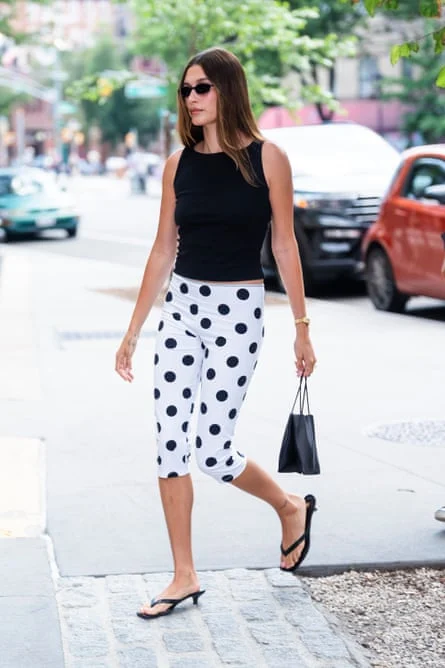
Generation Z, famously dubbed the "flats-only generation" for their long-standing vocal aversion to elevated footwear, appears to have finally capitulated to the allure of a heel – albeit a remarkably subtle one. This demographic, comprising individuals born between 1997 and 2012, has carved out a distinct fashion identity by conspicuously rejecting the towering stilettos and luxury pumps, such as those by Jimmy Choo, that once epitomized millennial glamour. Instead, their wardrobes have been dominated by a pantheon of pancake-flat silhouettes, ranging from the ubiquitous Adidas Samba "It-trainer" and the avant-garde split-toe Margiela Tabi to the understated elegance of "French girl ballet flats." This steadfast commitment to comfort and practicality has been a defining characteristic of their sartorial choices, fundamentally reshaping the footwear landscape over the past decade.
The Subtle Ascent of the Micro-Heel
However, a noticeable shift is now underway, with Gen Z seemingly embracing a potential "gateway heel." This emerging trend centres on the kitten heel flip-flop, typically featuring a modest elevation in the region of 1.5 inches (approximately 3.8 cm) – a height often likened to that of a triple-A battery. This minimal lift offers a hint of sophistication without sacrificing the inherent comfort and casual appeal that Gen Z prioritizes. The adoption of this particular style is far from incidental; it has been prominently showcased on the feet of influential trendsetters such as model Kaia Gerber and entrepreneur Hailey Bieber, whose street style choices frequently dictate broader fashion currents. Beyond celebrity endorsements, the kitten heel flip-flop has become a recurring motif in countless TikTok "fit-checks," a popular social media phenomenon where users share their daily outfits, further cementing its status as a street-style favourite. Its current iteration is also deeply rooted in a yearning for the sleek, understated elegance that defined 1990s fashion, providing a modern conduit for channeling that era’s distinctive aesthetic into contemporary summer wardrobes.
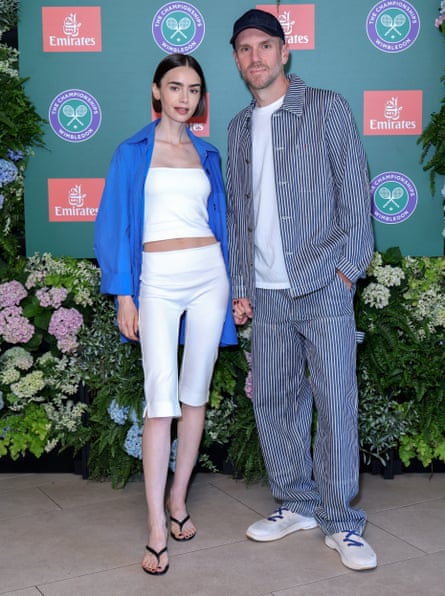
The versatile nature of this particular footwear has been underscored by its presence across various high-profile social events and popular culture touchstones. At the prestigious Wimbledon tennis championships, the men’s final saw actress Lily Collins, celebrated for her role in "Emily in Paris," elegantly pairing her black Manolo Blahnik kitten heel flip-flops with a chic white bandeau top and capri pants, photographed alongside her husband, Charlie McDowell. Concurrently, within the highly visible "Love Island" villa, contestants of the popular ITV reality show have been spotted sporting these elevated flip-flops while engaging in pivotal "chats by the fire pit" with potential romantic interests. This dual presence in both high-fashion settings and mainstream pop culture demonstrates the shoe’s broad appeal and its ability to seamlessly transition between different contexts, from refined spectator wear to relaxed, everyday glamour.
From Flats to Footwear Flexibility: Gen Z’s Style Evolution
Gen Z’s initial, fervent rejection of high heels was not merely a stylistic preference; it was a broader cultural statement, deeply intertwined with evolving societal values. Unlike their millennial predecessors, who came of age in an era where high heels were synonymous with professionalism, power, and evening glamour – often enduring discomfort for the sake of perceived elegance – Gen Z entered adulthood with a different set of priorities. Their formative years coincided with the rise of digital connectivity, a burgeoning awareness of self-care, and, crucially, the global pandemic, which profoundly accelerated a comfort-first approach to dressing. The enforced lockdowns and increased time spent at home normalized casual attire, making the prospect of returning to restrictive, uncomfortable footwear less appealing.
Before the kitten heel’s subtle infiltration, Gen Z’s footwear choices reflected a dominant narrative of functionality and understated cool. The Adidas Samba, for example, transcended its athletic origins to become a fashion staple, celebrated for its minimalist design and versatile appeal, a phenomenon that has seen its popularity explode across social media and street style scenes. Similarly, the Maison Margiela Tabi boot, with its distinctive split-toe silhouette, appealed to a segment of Gen Z seeking avant-garde designs that challenged conventional aesthetics while still offering comfort and a unique aesthetic. The resurgence of "French girl ballet flats" further solidified this preference for effortless chic, embodying a timeless, practical elegance popularized by icons like Sarah Jessica Parker, an aesthetic that required no sacrifice of comfort. These choices collectively underscored a generation’s dedication to footwear that supported an active, dynamic lifestyle, one that valued "touching grass" – a colloquialism for engaging with nature and reality – over teetering on stilettos. This period effectively established flats as the foundational reference point for many Gen Z individuals’ understanding and engagement with shoe trends.

Market Momentum: Data-Driven Demand
The commercial impact of this burgeoning trend is unequivocally significant, reflecting a powerful consumer shift. Major retailers are reporting dramatic spikes in sales for kitten heel toe-post shoes, which feature a strap designed to sit comfortably between the big toe and its neighbour. John Lewis, a prominent UK department store, announced a staggering 300% increase in sales for this category compared to the previous year. Illustrating the immense demand, the £109 thong sandals from their exclusive collaboration with acclaimed designer Rejina Pyo "sold out very quickly," indicating not just a general interest but a specific appetite for designer-led iterations of the style. This rapid sell-out is a clear indicator of strong consumer confidence and a willingness to invest in trending pieces from reputable brands.
This market enthusiasm extends globally and across different segments of the fashion industry. Luxury fashion labels, ever-attuned to emerging trends, have swiftly incorporated the kitten heel flip-flop into their collections. Prestigious houses such as Chloé, Bottega Veneta, and Max Mara have featured these minimalist yet elegant shoes prominently on their catwalks, lending high-fashion legitimacy to a style that was once relegated to casual wear. This endorsement from the pinnacle of the fashion world signals a broader acceptance and elevates the trend from a niche movement to a mainstream phenomenon, often influencing fast fashion brands to produce similar, more accessible versions.
The digital resale market, a crucial barometer for current consumer desire and trend velocity, further corroborates the surge in demand. Data from leading resale platforms paints a clear picture: searches for "kitten heel flip-flops" on Depop have soared by an impressive 260% since April, highlighting a robust secondary market driven by trend-conscious consumers seeking specific styles. Concurrently, Vinted reports a year-on-year increase of 209% for similar items, indicating a sustained and growing interest over a longer period. Meanwhile, Lyst, a global fashion search platform that aggregates data from thousands of online stores, has recorded a substantial 202% surge in demand for the style quarter on quarter, translating into thousands of searches and clicks globally. These figures are not just statistics; they represent millions of individual searches and purchases, underscoring a widespread, rapidly escalating consumer interest driven by social media visibility and celebrity influence. This robust market activity suggests that the kitten heel flip-flop is not a fleeting micro-trend but a significant movement reshaping retail strategies and consumer spending patterns within the footwear sector, prompting brands to re-evaluate their seasonal offerings.
The Psychology of the Kitten Heel: Comfort, Versatility, and Nostalgia
The pivotal question underpinning this shift is: what precisely makes a revamped, humble flip-flop so compelling that it can persuade a generation staunchly committed to flats to finally embrace a heel? Natalie Munro, a news writer for the influential digital fashion publication Who What Wear, offers a compelling explanation. She posits that the primary appeal lies in its inherent contradiction: it is a heel that, paradoxically, doesn’t feel like one. "It’s still got that casual energy," Munro notes, emphasizing that it "is not a very intimidating heel to wear." This characteristic is crucial for a generation that has largely bypassed the experience of navigating life in sky-high heels, offering a gentle entry point into elevated footwear.
A significant part of this appeal is, of course, its modest height. Leading brands like Toteme, Miu Miu, Zara, and Vivaia are offering in-demand versions that typically measure between 1.5 inches and 2.1 inches. These minimal lifts serve as perfect "starter heels" for a cohort whose comfort zones have been defined by sneakers and ballet flats. The low elevation alleviates many of the physical discomforts associated with traditional high heels – instability, foot strain, and general fatigue – thereby making them accessible and appealing. This ergonomic consideration aligns perfectly with Gen Z’s broader lifestyle, which values comfort and ease of movement above all else, an approach that has been further solidified by global health considerations and a growing emphasis on well-being.
Beyond comfort, the kitten heel flip-flop boasts remarkable versatility, making it a highly practical choice for the contemporary Gen Z individual. It is robust enough to "endure the mileage of a morning commute," offering practical support for urban living, yet sufficiently stylish not to appear out of place during an evening out. As Munro further elaborates, "In a lot of instances, it’s an appropriate shoe to wear to work and then into the evening as well." This seamless transition from day to night, coupled with its "heatwave appropriate" design, makes it an ideal choice for current climates and busy schedules. This versatility sharply contrasts with the more rigid expectations placed on footwear during the noughties, an era when millennials embraced sky-high heels as a singular "go-to shoe" for virtually every occasion, from the office to the club. For Gen Z, whose relationship with shoe trends began with a comfort-first paradigm shaped by the pandemic, the kitten heel flip-flop offers an elegant compromise without requiring a complete overhaul of their ingrained preferences.
Furthermore, the trend taps into the powerful current of nostalgia, specifically the enduring allure of 1990s fashion. The slinky, minimalist aesthetic of the 90s has seen a significant revival in recent years, influencing everything from silhouettes to accessories. The kitten heel flip-flop, with its understated elegance and subtle lift, perfectly encapsulates this era’s effortless cool, offering Gen Z a tangible connection to a past they often romanticize through social media and vintage finds. This blend of comfort, practicality, and nostalgic charm creates a compelling narrative for the shoe’s widespread adoption.
Redefining Power and Practicality in Fashion
The cultural implications of Gen Z’s embrace of the kitten heel extend to a re-evaluation of traditional notions of femininity and power in fashion. Caroline Young, an author specializing in fashion and pop culture, including "Style Tribes: The Fashion of Subcultures," highlights that "kitten heels sit comfortably between heels and flats." While they were once "dismissed as a little dated and [not] conveying the sexual power of a stiletto," the contemporary focus has shifted significantly towards the ability to "move easily." Young underscores that "for Gen Z, comfort has always been [more] important." This perspective signals a departure from the idea that power or allure must be conveyed through physical elevation or discomfort, advocating instead for a more authentic and functional approach to self-expression.
Rebecca Shawcross, the senior shoe curator at Northampton Museum and Art Gallery and author of "Shoes: An Illustrated History," provides further historical and cultural context. She observes that "stilettos have for many years been worn as a power shoe," a symbol of assertive femininity and professional gravitas. However, she argues that "the power these days rests with those women who chose comfort over discomfort and activity over an inability to run." This statement encapsulates a fundamental ideological shift: modern empowerment is increasingly linked to practicality, mobility, and personal well-being rather than adherence to conventional, often restrictive, fashion norms. Gen Z’s preference for shoes that facilitate movement reflects a generation that values authenticity and functionality in their daily lives, whether they are navigating urban environments, participating in social activism, or simply enjoying casual outings.
This sartorial pivot can also be interpreted as a nuanced reaction to a preceding era that championed extreme practicality and rugged aesthetics. Joy Montgomery, shopping editor at British Vogue, notes that "orthopaedic, gorpcore-coded shoes have dominated since the pandemic." "Gorpcore," a trend characterized by utilitarian outdoor wear, saw items like hiking boots and trail sneakers become unlikely fashion statements, as explored in articles detailing its rise. While embodying a certain functional appeal, the pervasive nature of such robust footwear may have inadvertently created a vacuum for a touch of refined glamour. Montgomery suggests that "there’s a renewed craving for glamour in our wardrobes," and the kitten heel flip-flop precisely fills this void by offering a subtle, non-intimidating way to reintroduce elegance without fully abandoning comfort. This balance between comfort and subtle glamour resonates deeply with Gen Z’s desire for a versatile wardrobe that adapts to various facets of their dynamic lives.