Ferry Irwandi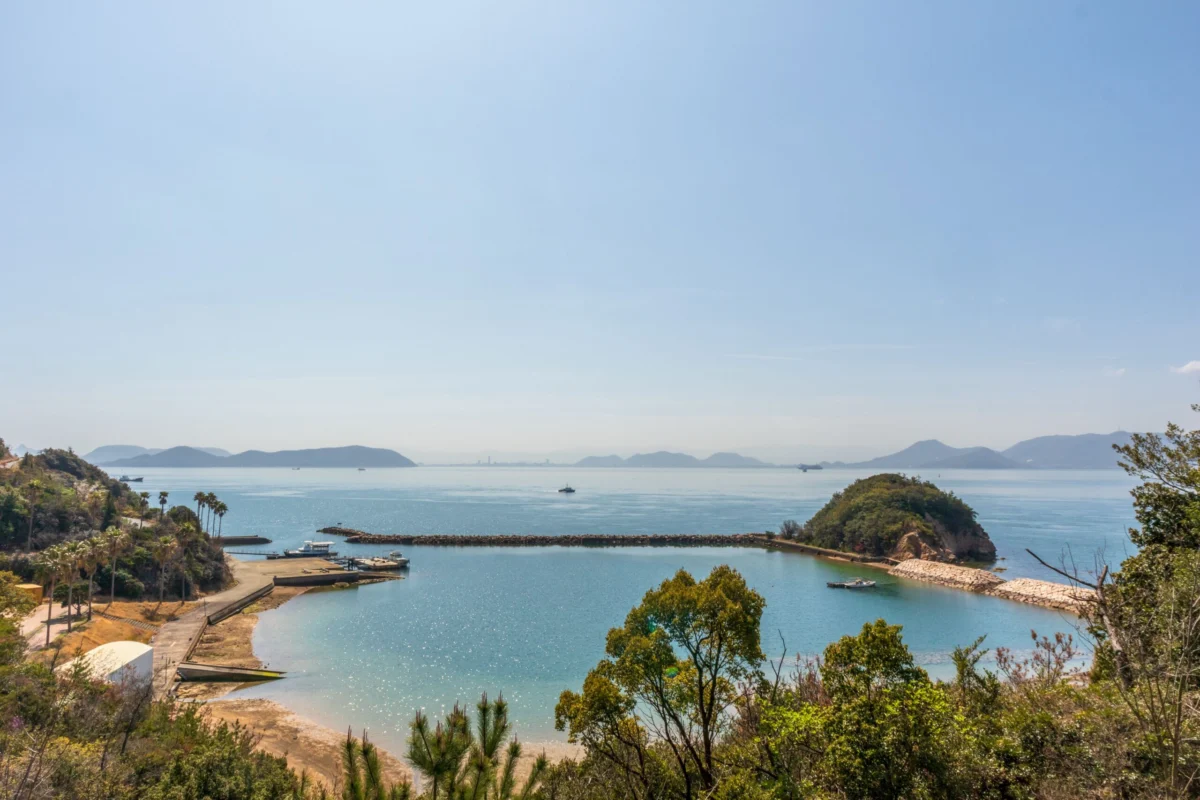
In August 2021, Typhoon Lupit reached the shores of Naoshima, a small island in Japan’s Setouchi region, and swept a giant yellow pumpkin sculpture by the renowned artist Yayoi Kusama into the Seto Inland Sea. Footage of the incident, which widely circulated on digital platforms, depicted the multi-million dollar sculpture upturned and tossed by crashing waves, its iconic polka-dotted fiberglass shell appearing as fragile as cardboard against the gale-force winds. While the original work was eventually retrieved, it was replaced a year later by a reinforced version designed to withstand extreme weather, ensuring its continued presence as one of the world’s most recognizable outdoor art installations. This incident serves as a poignant metaphor for the broader history of the Setouchi region: a landscape once vulnerable to industrial decline and environmental degradation that has been fortified and reimagined through the power of contemporary art.

Naoshima is the primary hub of the Benesse Art Site, a sprawling network of museums, galleries, and site-specific installations that span several islands, including Teshima and Inujima. Over the past three decades, this archipelago has evolved from a collection of quiet fishing villages into what critics often describe as a "contemporary art Disneyland." Today, approximately 500,000 travelers visit the region annually to experience an environment where high-concept architecture and multi-million dollar sculptures are integrated into the fabric of daily rural life.
The Genesis of the Benesse Art Site
The revitalization of the Setouchi region began in the late 1980s as a development initiative led by Soichiro Fukutake, the former president of Benesse Holdings. Fukutake’s vision was to create a cultural sanctuary that would counteract the effects of Japan’s rapid urbanization, which had left many rural islands with aging populations and dwindling economies. The project officially launched in 1992 with the opening of the Benesse House Museum, a facility that combined a contemporary art gallery with high-end guest accommodations.

Designed by the Pritzker Prize-winning architect Tadao Ando, the Benesse House set the aesthetic and philosophical tone for the region. Ando’s signature use of smooth, unadorned concrete and his focus on the interplay between light and shadow allowed the structures to harmonize with the natural landscape. Early acquisitions included works by seminal Western artists such as Jean-Michel Basquiat and Robert Rauschenberg, signaling Fukutake’s intent to bring world-class contemporary art to a local Japanese audience. This initiative has since expanded into a comprehensive regional project, fostering a Triennale festival and attracting global luxury brands, including the upcoming Mandarin Oriental, scheduled to open in 2027.
Architectural Milestones and the Naoshima New Museum of Art
The architectural evolution of Naoshima is inextricably linked to Tadao Ando, who has designed nearly a dozen structures on the island. Among these, the Chichu Art Museum, completed in 2004, remains a masterpiece of subterranean design. Built almost entirely underground to avoid disrupting the island’s topography, the museum utilizes natural light to illuminate a permanent collection that includes Claude Monet’s Water Lilies series, James Turrell’s light installations, and Walter De Maria’s monumental sculptures.

The latest addition to this cultural landscape is the Naoshima New Museum of Art, which opened in 2025. Also designed by Ando, the facility is dedicated exclusively to the works of Asian artists, reflecting a shift toward a more regional focus within the global art market. The museum’s design features a dramatic concrete slope that guides visitors toward underground exhibition halls. Among the inaugural installations is a 16-foot-long fabric replica of a traditional Korean house by Do Ho Suh and Cai Guo-Qiang’s Head On, a massive installation featuring 99 life-sized wolf sculptures frozen in a ferocious leap through the air.
According to Akiko Miki, the museum’s director, the institution aims to explore how a world-class museum can remain rooted in its local community. This is evidenced by the museum’s lobby display, which features black-and-white family photographs of Naoshima residents taken with cameras constructed from driftwood found on local beaches.

Economic and Social Revitalization Data
The impact of the Benesse Art Site on the regional economy has been significant. Before the art-led intervention, Naoshima and its neighbors were facing industrial obsolescence. The northern part of Naoshima remains home to a Mitsubishi Materials copper refinery, a reminder of the island’s industrial past. However, the southern half has been entirely transformed by tourism.
Current data suggests that the 500,000 annual visitors contribute billions of yen to the local economy, supporting a growing hospitality sector that includes traditional ryokans, minimalist hotels like Ryokan Roka, and boutique dining establishments. Despite this influx, the island maintains a permanent population of only 3,000 residents. The "Art House Project" has been particularly effective in bridging the gap between the local community and the art world. This initiative involves the restoration of abandoned wooden houses, temples, and shrines, which are then converted into permanent art installations. For example, the Minamidera building, designed by Ando on the site of a former temple, houses James Turrell’s Backside of the Moon, a work that uses total darkness to manipulate the viewer’s perception of light.

Environmental Restoration and the Teshima Model
While Naoshima serves as the artistic nucleus, the nearby island of Teshima offers a profound example of environmental and cultural recovery. In the 1970s and 1980s, Teshima was the site of one of Japan’s most notorious toxic waste dumping scandals, which severely damaged the island’s reputation and its agricultural output of rice, citrus, and olives.
The opening of the Teshima Art Museum in 2010 marked a turning point in the island’s restoration. A collaboration between artist Rei Naito and architect Ryue Nishizawa, the museum is a minimalist concrete shell shaped like a water droplet. The structure features two large elliptical openings that allow rain, wind, and insects to enter the space, creating a dynamic environment that changes with the weather. The museum has been instrumental in rebranding Teshima as a "place of abundance," leading to new sustainability projects, such as the regeneration of the 100-year-old Mikogahama Farm and the opening of the Teshima Factory, a brewery and restaurant housed in a repurposed warehouse.

Broader Regional Impact and Historical Context
The success of the art islands is often attributed to the "Design Governor," Masanori Kaneko, who led the Kagawa Prefecture in the 1950s. Following the devastation of World War II, Kaneko sought to enrich the lives of residents by integrating art and craftsmanship into public infrastructure. He invited prominent figures, including the sculptor Isamu Noguchi, to work in the region. Noguchi eventually established a studio and home in Mure, just outside Takamatsu, which now serves as a museum dedicated to his stone sculptures.
Takamatsu itself serves as the gateway to the islands and possesses a deep artistic heritage of its own. The Ritsurin Garden, a daimyo garden constructed 400 years ago, is considered a living heritage site that predates the modern art movement but shares its focus on the curated relationship between man and nature. Eitaro Anabuki, a local business leader and owner of the Anabuki-tei ryokan, notes that the modern art movement in Setouchi is not a reinvention but a "rediscovery" of the region’s historical commitment to aesthetic beauty.

Future Implications and Sustainable Tourism
As the Setouchi region continues to gain international acclaim, the challenge of maintaining a balance between high-volume tourism and local preservation remains. The upcoming Mandarin Oriental project and other luxury developments like "Not a Hotel Setouchi" on Sagashima island indicate a trend toward high-end, low-impact tourism.
On smaller islands like Momoshima, the population has dwindled to 400 people, prompting artists like Yukinori Yanagi to establish "Art Base Momoshima." By repurposing abandoned high schools and city halls into galleries and residencies, these projects seek to prevent the complete desertion of smaller islands. The initiative on Momoshima reflects a more grassroots approach compared to the centralized Benesse model, yet it shares the same fundamental goal: using art to breathe life into "ghost-like" spaces.

The transformation of the Setouchi region demonstrates that art can serve as a powerful tool for regional diplomacy and economic survival. By integrating contemporary works with the natural environment and local history, the islands have created a unique cultural identity that resonates globally. As noted by the late Isamu Noguchi, "Anything of value left behind is a gift." In the Seto Inland Sea, that gift continues to expand, offering a blueprint for how rural regions can navigate the challenges of the 21st century through creativity and cultural preservation.