Jono Maryono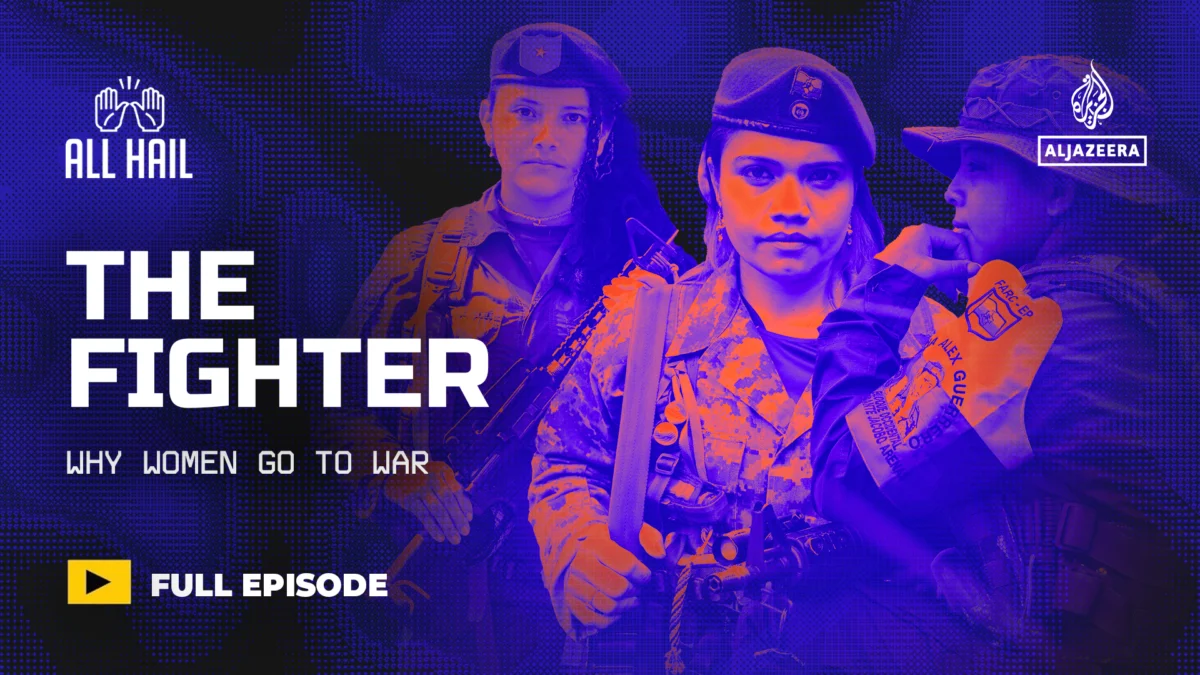
While the archetypal image of a "fighter" often conjures the masculine, the historical tapestry of conflict is interwoven with the significant, yet frequently understated, presence of women. From the front lines of rebellion to the intricate defense of their homelands and the active pursuit of offensive campaigns, women have consistently participated in and shaped warfare. Their contributions, however, are too often relegated to the margins of historical record, oversimplified in popular narratives, or reduced to fetishized tropes, obscuring the profound impact they have had on the very conduct and outcome of wars. This ongoing oversight necessitates a deeper examination of the motivations, struggles, and circumstances that propel women to take up arms, and a clearer understanding of their significant, often transformative, influence on how battles are fought.
The Unseen Majority: Women in Rebellions and National Armies
Globally, women constitute a disproportionately larger segment of individuals involved in rebellions and insurgent movements compared to their representation within formal national armies. This disparity highlights a critical area for sociological and historical analysis: what drives women to engage in armed conflict outside of state-sanctioned structures, and how does their participation alter the dynamics of these conflicts? Understanding these factors is crucial for a comprehensive grasp of modern warfare and its human dimensions.
Data from various conflict zones offers a glimpse into this phenomenon. For instance, during the Second World War, women played vital roles in resistance movements across Europe, acting as couriers, intelligence gatherers, saboteurs, and even combatants. In the Soviet Union, over 800,000 women served in the Red Army, with tens of thousands in combat roles as snipers, pilots, and machine gunners. While these numbers are substantial, they often represent exceptions or specific wartime mobilizations rather than the consistent integration of women into all facets of military operations.
Conversely, in many contemporary insurgencies, women are not merely auxiliary but integral to the fighting force. The Liberation Tigers of Tamil Eelam (LTTE) in Sri Lanka, for instance, famously featured a dedicated female combat wing, the "Black Tigers," responsible for some of their most daring operations. Their involvement was not simply symbolic; these women were trained, armed, and deployed in roles that demanded the same courage and sacrifice as their male counterparts. Similarly, in various African conflicts, women have been recruited or coerced into armed groups, often forming a significant percentage of fighters, particularly in roles involving reconnaissance, logistics, and, increasingly, direct combat.
Motivations Behind the Armament: A Spectrum of Drives
The decision for a woman to take up arms is rarely monolithic. It is a complex interplay of personal, social, economic, and political factors, often shaped by the specific context of the conflict.
-
Survival and Protection: In environments ravaged by war, where civilian populations, particularly women and children, are targets of violence, sexual assault, and displacement, taking up arms can be a desperate measure for survival. Joining an armed group can offer a perceived level of protection, a means of defense against perpetrators of violence, and a chance to secure basic necessities. For women fleeing persecution or facing the destruction of their communities, armed resistance can become the only viable option for self-preservation and the safeguarding of their families.
-
Ideological Commitment and Political Grievances: Many women are driven by deeply held ideological beliefs and a fervent opposition to perceived injustices. They may join movements fighting for national liberation, self-determination, social equality, or to overthrow oppressive regimes. In these instances, women are active participants in shaping the political landscape, driven by a desire for a better future for themselves and their communities. Their participation is a political act, a demand for agency and a stake in the future.
-
Social and Familial Influence: In some societies, particularly those with strong traditional or tribal structures, women’s involvement in conflict can be influenced by familial ties or societal expectations. If men in their families are fighting, women may feel compelled to join, either to support their male relatives or to uphold a perceived duty. This can also extend to communities where armed struggle is seen as a collective responsibility, and participation is normalized across genders.
-
Opportunity and Empowerment: For some women, particularly those from marginalized backgrounds with limited opportunities, joining an armed group can represent a pathway to empowerment, a sense of belonging, and a chance to escape traditional societal constraints. The military structure, despite its inherent dangers, can offer training, discipline, and a sense of purpose that may be unavailable elsewhere. This is particularly true in contexts where women face significant social and economic barriers.
The Impact on the Battlefield: Redefining Combat Dynamics
The presence of women in combat roles, whether in rebellions or formal armies, has a demonstrable impact on the nature of warfare. Their unique perspectives, skills, and often less conventional approaches can introduce new strategies and alter existing ones.
-
Intelligence Gathering and Infiltration: Women have historically excelled in roles requiring discretion and the ability to blend into civilian populations. This makes them invaluable for intelligence gathering, reconnaissance, and covert operations. Their access to spaces and social networks that might be inaccessible to men can provide crucial information that can shape tactical decisions.
-
Psychological Warfare and Community Engagement: In protracted conflicts, particularly those with a strong ideological component, women can be powerful agents of psychological warfare and community mobilization. They can act as recruiters, propagandists, and symbols of resistance, galvanizing support and undermining enemy morale. Their ability to connect with civilian populations on a personal level can be a critical asset in winning hearts and minds.
-
Combat Effectiveness and Adaptability: While historical narratives have often downplayed female combat prowess, evidence suggests that women, when adequately trained and equipped, are as effective as men in combat. Their physical attributes may differ, but their tactical acumen, adaptability, and resilience are often on par. In some instances, their smaller stature or different combat styles can even offer advantages in certain environments or against specific adversaries.
-
Shaping the Post-Conflict Landscape: The experiences of women in armed conflict have profound implications for post-conflict reconciliation and rebuilding. Their participation, often overlooked, is crucial for understanding the full scope of societal trauma and for ensuring that their voices are heard in peace processes and transitional justice mechanisms. Ignoring their roles can lead to incomplete narratives and hinder genuine healing and societal reintegration.
A Timeline of Evolving Roles
The engagement of women in warfare is not a recent phenomenon; it spans millennia and continents. Tracing a brief chronology reveals a consistent, albeit often unacknowledged, presence:
-
Ancient and Classical Periods: Historical accounts, though often biased, detail women participating in battles. Figures like Boudicca, queen of the Iceni tribe who led an uprising against the Roman Empire in Britain, or the Amazons of Greek mythology (whose historical basis is debated but reflects societal imaginings of female warriors), point to a long-standing presence. Spartan women, while not directly fighting, were central to the military ethos of their society, responsible for raising future soldiers and defending the home front.
-
Medieval and Early Modern Eras: Women served as soldiers, often disguised as men, and played crucial roles in sieges, as nurses, and in logistical support. Joan of Arc, a pivotal figure in the Hundred Years’ War, exemplifies a woman leading troops into battle, inspiring national sentiment and altering the course of a major conflict.
-
Colonial and Independence Movements: During the 19th and 20th centuries, women were active participants in anti-colonial struggles and independence movements worldwide. They served as spies, saboteurs, and fighters, often operating in challenging terrains and facing brutal repression. The role of women in the American Civil War, both as nurses and, in some cases, disguised soldiers, is another example.
-
World Wars and Beyond: The World Wars saw unprecedented mobilization of women in both combat support and, in some nations, direct combat roles. The Soviet Union’s extensive use of female pilots, snipers, and infantry, and the vital contributions of women in the British Women’s Auxiliary Air Force (WAAF) and American Women’s Army Corps (WAC), are well-documented. Post-WWII, while many nations demobilized their female forces, the integration of women into armed services has gradually increased, albeit with varying degrees of acceptance and integration into combat roles.
-
Contemporary Conflicts: From the Kurdish Peshmerga in Iraq and Syria, where women have fought on the front lines against ISIS, to the various insurgent groups in Africa and Asia, women continue to be active participants in contemporary conflicts, often in roles that challenge traditional gender norms in warfare.
The Systems That Sustain Militarism: An Examination
The series All Hail the Military, presented by Ali Rae, delves into the systemic underpinnings of global militarism, revealing the often-hidden power structures and complicities that perpetuate conflict. Episode Four of this five-part series aims to illuminate how these systems are sustained and the profound, pervasive impact they have on individuals and societies worldwide. By examining the broader context of militarism, the series seeks to understand not just the act of fighting, but the machinery and ideologies that drive and maintain warfare as a prevalent feature of the global landscape.
The exclusion of women’s contributions from mainstream historical accounts and popular narratives is not an accidental oversight but often a consequence of deeply ingrained patriarchal structures within military institutions and societal perceptions of gender roles. This systematic marginalization not only erases the agency and bravery of countless women but also presents an incomplete and distorted understanding of conflict itself.
Broader Implications and the Path Forward
The ongoing underrepresentation of women’s roles in warfare has significant implications for how we understand conflict, peace, and justice.
-
Incomplete Historical Records: A history that omits or downplays the contributions of half the population is inherently flawed and fails to provide a comprehensive understanding of past events. This omission perpetuates a cycle where future generations may not recognize the full spectrum of human involvement in conflict.
-
Hindered Peace Processes: In post-conflict scenarios, the exclusion of women’s experiences and perspectives can lead to peace agreements that do not adequately address the root causes of conflict or the specific needs of all segments of the population. This can undermine long-term stability and reconciliation efforts.
-
Perpetuation of Stereotypes: The fetishization or complete erasure of women in combat roles reinforces harmful stereotypes, limiting societal perceptions of women’s capabilities and their potential roles in all spheres of life, not just in warfare.
-
Missed Opportunities for Learning: By not fully analyzing and understanding the diverse ways women have engaged in and impacted warfare, we miss crucial opportunities to learn about effective strategies, resilience, and alternative approaches to conflict resolution.
Addressing this requires a concerted effort to excavate and elevate women’s histories of participation in conflict. This includes rigorous academic research, the inclusion of women’s narratives in educational curricula, and a conscious effort by media outlets to present a more nuanced and inclusive portrayal of warfare. The work of scholars, historians, and journalists, such as that explored in series like All Hail the Military, is vital in challenging the dominant narratives and ensuring that the full, complex story of human involvement in conflict, including the essential roles played by women, is finally told. As Ali Rae’s series aims to uncover the systems that sustain militarism, a critical examination of women’s engagement in warfare is an indispensable component of understanding the multifaceted nature of global conflict and its enduring impact.