Danny Garick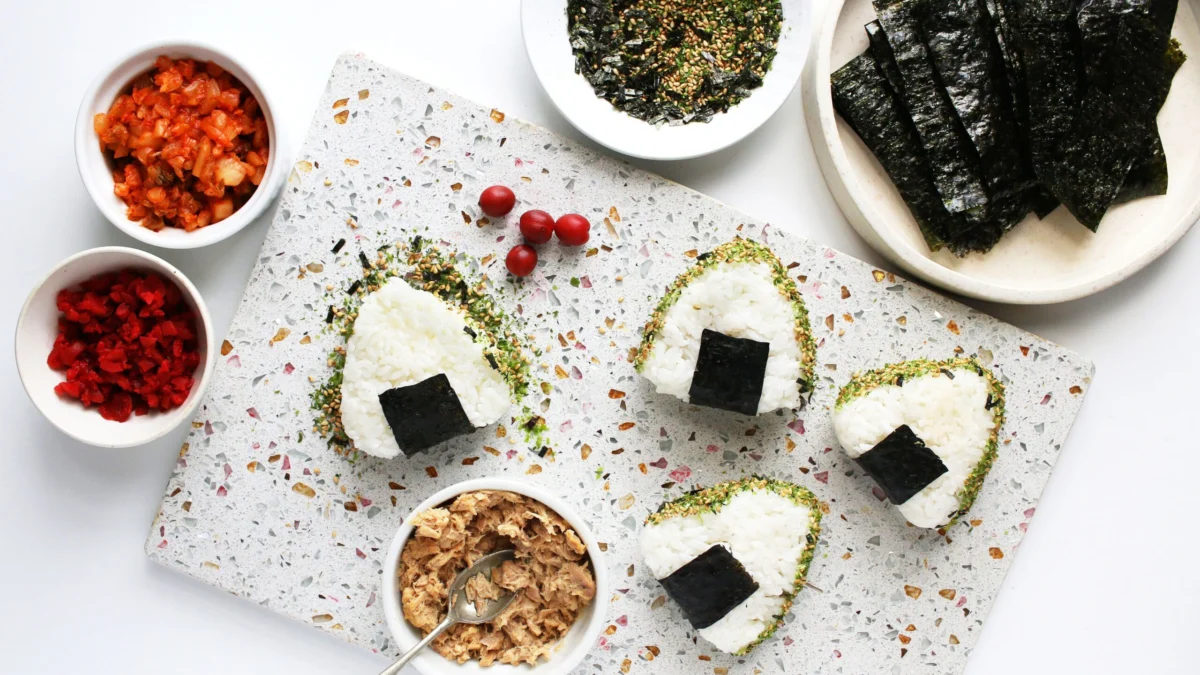
Onigiri, the iconic Japanese rice ball, has transcended its origins as a humble portable meal to become a global culinary phenomenon. Defined by a core of savory fillings encased in seasoned short-grain rice and wrapped in crisp nori seaweed, these portable parcels represent the intersection of historical necessity and modern convenience. As food culture continues to shift toward on-the-go consumption, onigiri has secured its position as a staple in convenience stores across Japan and an increasingly popular addition to lunch boxes and picnic baskets worldwide.
Historical Origins and Cultural Significance
The history of the rice ball dates back centuries in Japan, predating the modern convenience store model by nearly a millennium. Archaeological findings suggest that early forms of rice balls, known as tonjiki, were consumed as far back as the Nara period (710–794 AD). These early versions were often shaped into spheres and served to field laborers or travelers due to their portability and energy density.
By the Edo period (1603–1868), the dish had evolved into a standard travel ration. It was during this era that the widespread availability of nori allowed for the practice of wrapping the rice, which served the dual purpose of keeping the diner’s hands clean and preserving the rice for longer periods. Today, the ubiquity of onigiri is exemplified by the Japanese "konbini" (convenience store) industry, which produces billions of units annually. Major retailers such as 7-Eleven Japan, Lawson, and FamilyMart have refined the supply chain to ensure that these items remain fresh, accessible, and consistent in quality, effectively turning a home-cooked tradition into a highly engineered industrial product.
The Mechanics of Perfection: Culinary Science
The structural integrity of a well-made onigiri is not a matter of chance; it is a result of specific chemical and physical processes involving starch content. Japanese short-grain rice—often classified as Japonica—contains higher levels of amylopectin, a type of starch that becomes sticky and gelatinous when cooked. This chemical composition is essential for the rice to adhere to itself without the need for external binding agents.
To achieve the ideal texture, practitioners emphasize the importance of rinsing and soaking the grain. Rinsing removes excess surface starch that can cause the rice to become gummy, while soaking allows the grains to hydrate evenly, preventing hard centers or uneven textures. The shaping process is equally critical; by molding the rice while it remains slightly warm, the starch is at its most malleable state, allowing the grains to lock together under firm, gentle pressure. Culinary experts suggest using damp, salted hands—a technique known as te-shio—to provide a natural barrier against sticking while simultaneously seasoning the outer layer of the rice.
Comparative Analysis of Rice Varieties
The distinction between rice types is the primary factor in the success or failure of onigiri production. While short-grain Japanese rice is the industry standard, culinary researchers often compare it against long-grain varieties like jasmine or basmati. Long-grain rice contains higher proportions of amylose, a starch that remains separate and fluffy upon cooking. Consequently, these varieties lack the cohesive properties required for onigiri, causing the ball to crumble during transport.
Data from the food science sector indicates that for home cooks attempting to replicate professional-grade results, the use of a rice cooker remains the most reliable method for maintaining consistent hydration levels. While manual shaping is a traditional skill, the availability of specialized onigiri molds has lowered the barrier to entry for international consumers. These tools use standardized pressure to create uniform triangles, ensuring that the ratio of filling to rice remains balanced throughout the batch.
Contemporary Filling Trends and Flavor Profiles
The evolution of onigiri fillings reflects broader shifts in global food preferences. Traditional ingredients, such as umeboshi (pickled plum) or salted salmon, remain the gold standard due to their historical role as natural preservatives. However, modern iterations have expanded to include a wider array of flavors, such as tuna mayonnaise, spicy kimchi, cod roe, and various chicken-based salads.
The critical constraint in filling selection is moisture content. Culinary professionals warn that overly wet fillings, such as thin sauces or high-water-content vegetables, can permeate the rice layer, leading to structural collapse and compromised food safety over time. To mitigate this, many commercial producers utilize specialized packaging technology that keeps the nori separated from the rice until the moment of consumption, maintaining the crisp texture that is essential to the authentic experience.
Timeline of Onigiri Globalization
- 8th Century: Emergence of tonjiki, the precursor to modern onigiri, documented in historical texts.
- 17th Century: Widespread adoption of nori wrapping, enabling easier transport for travelers.
- 1970s: The rise of the modern Japanese convenience store, which revolutionized the mass production and distribution of onigiri.
- 2010s: The "Sushi Boom" in Western markets paves the way for a deeper appreciation of diverse Japanese rice-based snacks.
- 2020s: Onigiri achieves mainstream status in global markets, supported by social media trends and the growth of Asian specialty grocery chains in North America and Europe.
Official Perspectives and Food Safety Considerations
Health and safety experts note that because onigiri is often consumed at room temperature, it is a product that requires careful handling. The acidity provided by sushi vinegar (often added to the rice) acts as a mild preservative, but the primary defense against bacterial growth is the use of high-quality, freshly prepared ingredients.
Industry associations in Japan have frequently highlighted the importance of "cold chain" logistics for mass-produced onigiri. By controlling the temperature from the point of manufacture to the point of sale, retailers can ensure a shelf life of approximately 24 to 48 hours. For home consumers, the advice remains consistent: if preparing in advance, onigiri can be stored in a refrigerator for up to two days, provided they are wrapped tightly in plastic film to prevent the rice from drying out.
Broader Economic and Cultural Implications
The rise of onigiri as a global food product has significant economic implications. It represents a shift in consumer demand toward "portable nutrition"—foods that are perceived as healthier and more wholesome than traditional Western snacks like potato chips or candy. As more consumers seek convenient lunch options that do not require reheating, the onigiri market is projected to see continued growth in the specialty food sector.
Furthermore, the popularity of onigiri serves as a cultural bridge. Through the simple act of preparing and consuming this dish, international audiences are gaining exposure to the nuances of Japanese culinary philosophy, which emphasizes simplicity, high-quality ingredients, and the importance of texture. This trend is likely to influence future food innovation, as companies look to incorporate the onigiri model into broader grab-and-go meal solutions.
Future Outlook and Conclusion
The longevity of onigiri as a culinary staple is attributed to its adaptability. Whether it is being served in a high-end restaurant or purchased from a local convenience store, the fundamental appeal of the dish remains the same: it is an efficient, balanced, and deeply satisfying way to consume staple grains and proteins.
As the global food landscape becomes increasingly interconnected, the techniques for perfecting onigiri—rinsing the starch, managing the moisture of fillings, and utilizing the correct rice variety—are becoming standardized knowledge for home cooks and professional chefs alike. By following these established guidelines, individuals can replicate the convenience and taste of one of Japan’s most successful culinary exports, ensuring that the legacy of the rice ball continues to flourish in kitchens around the world. As we look forward, the continued innovation in packaging and ingredient selection suggests that the onigiri will remain a relevant and essential component of the modern diet.