Danny Garick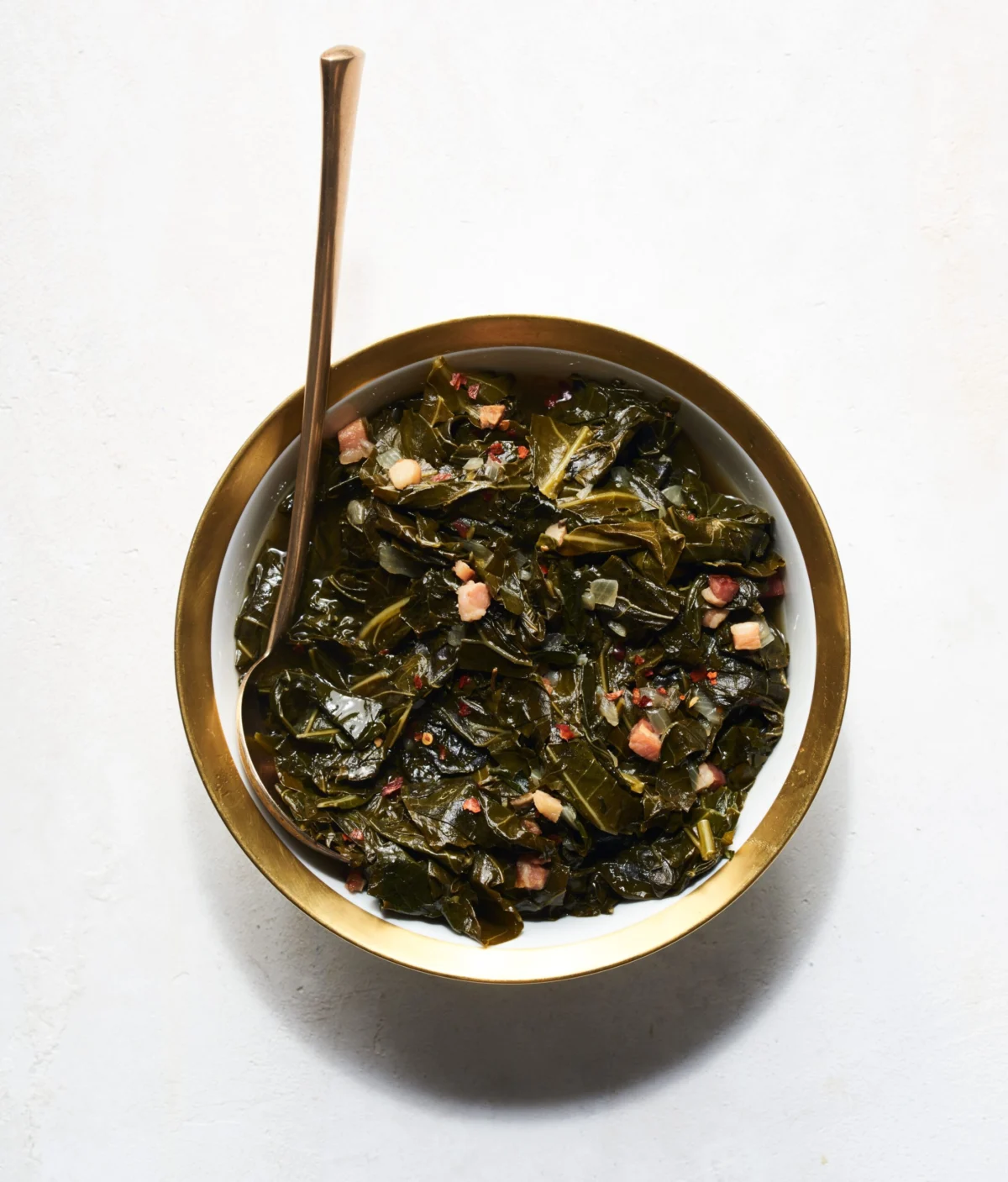
Collard greens, a member of the Brassica oleracea family, occupy a position of central importance in Southern American culinary traditions, particularly during the observance of New Year’s Day. Beyond their nutritional profile, these leafy greens serve as a primary component in regional foodways, often paired with black-eyed peas to form a symbolic meal intended to invoke prosperity and financial success in the upcoming calendar year. This tradition, while rooted in folklore, has transitioned from domestic kitchen practices into a staple of modern restaurant menus across the United States.
Historical Context and Folklore of the New Year’s Feast
The tradition of consuming greens on January 1 is widely recognized across the American South. The color green is colloquially associated with the color of paper currency, leading to the long-standing belief that consuming these vegetables will ensure wealth and abundance. Similarly, black-eyed peas are often compared to coins, creating a duality of symbolism that characterizes the holiday meal.
Historians note that the tradition likely emerged from a synthesis of West African culinary practices brought to the American South during the period of enslavement, integrated with European farming customs. For many families, the practice is passed down through generations, acting as a link to ancestral identity. Chef Julia Sullivan of the Nashville-based restaurant Henrietta Red notes that the practice is deeply ingrained in familial rituals. "It’s something my mom has always done, and I think my grandparents, too," Sullivan states, characterizing the ritual as a foundational element of their New Year’s observance.
Nutritional Profile and Preparation Methods
Collard greens provide significant health benefits, serving as a rich source of vitamins K, A, and C, as well as fiber and calcium. From a culinary perspective, their sturdy leaf structure allows them to withstand long simmering times, which is necessary to break down their fibrous texture.
The standard preparation involves a foundation of aromatics—typically onion and garlic—often sautéed in rendered fat. In traditional Southern cooking, this fat is derived from bacon or smoked ham hock, which provides a smoky, savory base. The addition of red pepper flakes offers a moderate heat profile that cuts through the richness of the meat.
A critical phase in the preparation is the cleaning process. Because collard greens are grown in soil, they require thorough washing. Culinary professionals recommend removing the tough, woody center rib before stacking the leaves and slicing them into uniform strips. Submerging the leaves in a large volume of water allows grit and sediment to settle to the bottom, ensuring the final dish is free of impurities.
The Role of Acid in Flavor Balancing
One of the most essential aspects of preparing high-quality collard greens is the application of acid, typically in the form of apple cider vinegar. The bitterness inherent in the leaves, combined with the heavy savory notes of pork and broth, requires a brightening agent to achieve flavor balance.
Adding vinegar toward the end of the cooking process preserves its volatile aromatic compounds. While recipes often call for a specific measurement, such as a quarter-cup, professional chefs suggest a cautious approach. Starting with a smaller quantity—approximately two tablespoons—allows the cook to adjust the acidity according to personal preference or the specific bitterness of the harvest. This technique demonstrates the importance of "seasoning to taste," a hallmark of professional kitchen management.
Chronology of Consumption and Market Trends
While collard greens are a year-round fixture in Southern cuisine, their market demand experiences a significant, predictable spike in the final week of December. Retail data indicates that grocery stores in the Southeastern United States consistently increase their inventory of leafy greens by upwards of 40% in preparation for the New Year’s demand.
- Late December: Procurement and distribution channels increase shipments to meet retail demand.
- December 31: Households engage in the intensive prep work, which involves washing and slicing large quantities of greens.
- January 1: The peak consumption period, where the dish is traditionally served alongside pork and black-eyed peas.
- Post-Holiday: Demand returns to seasonal norms, though collard greens remain a staple in the "meat-and-three" restaurant model prevalent in the region.
Adaptability and Dietary Inclusivity
Modern culinary practices have necessitated the adaptation of traditional recipes to meet diverse dietary requirements. For those seeking vegetarian or vegan alternatives, the fundamental techniques remain effective. By replacing animal-based fats with vegetable stocks and incorporating ingredients such as miso paste—a fermented soybean product that mimics the umami profile of cured meats—chefs can replicate the depth of flavor traditionally provided by bacon or ham.
Furthermore, the versatility of the greens themselves allows for innovation. While collards are the standard, other sturdy greens such as mustard, turnip, and kale can be utilized. Each variety offers a unique flavor profile:
- Mustard and Turnip Greens: Provide a sharper, more peppery finish.
- Kale: Offers a slightly different texture and sweetness but remains resilient during the cooking process.
- Swiss Chard: A more delicate option that requires a significantly reduced cooking time to prevent the leaves from losing their structural integrity.
Broader Economic and Cultural Implications
The persistence of the collard green tradition reflects the broader resilience of regional American foodways. In an era of globalization and mass-produced food, the adherence to these specific, labor-intensive culinary customs signifies a commitment to cultural continuity.
From an economic perspective, the production of collard greens supports a significant agricultural sector in states like Georgia, North Carolina, and Virginia. The commercial viability of these crops is bolstered by their status as a "must-have" item for the New Year. Restaurants that feature these dishes, such as Henrietta Red, play a vital role in maintaining the visibility of these traditions, introducing them to broader audiences who may be unfamiliar with the specific cultural nuances of Southern dining.
Analytical Summary of Culinary Best Practices
In professional environments, the mastery of a simple dish like collard greens is often viewed as a test of a chef’s ability to handle raw ingredients. The process requires an understanding of thermodynamics—specifically how heat breaks down cellulose—and chemistry, particularly the interaction between acidic vinegar and the alkaline nature of the leaves.
The data suggests that as long as regional identities remain tied to the consumption of seasonal, symbolic foods, the collard green will maintain its status as a cornerstone of Southern cooking. By providing a framework for preparation that is both traditional and flexible, these practices ensure that the custom remains accessible to future generations. Whether served as a side dish in a fine-dining establishment or prepared at home as part of a family gathering, the dish remains a testament to the intersection of history, agriculture, and culinary art.
Ultimately, the success of the dish relies on the cook’s patience. The shift from a tough, raw leaf to a silky, tender, and flavor-saturated finished product is a process that cannot be rushed. It is this combination of patience, proper technique, and respect for tradition that has allowed collard greens to transcend their humble origins and secure their place as a defining element of the American culinary landscape.