Ronny Sianturi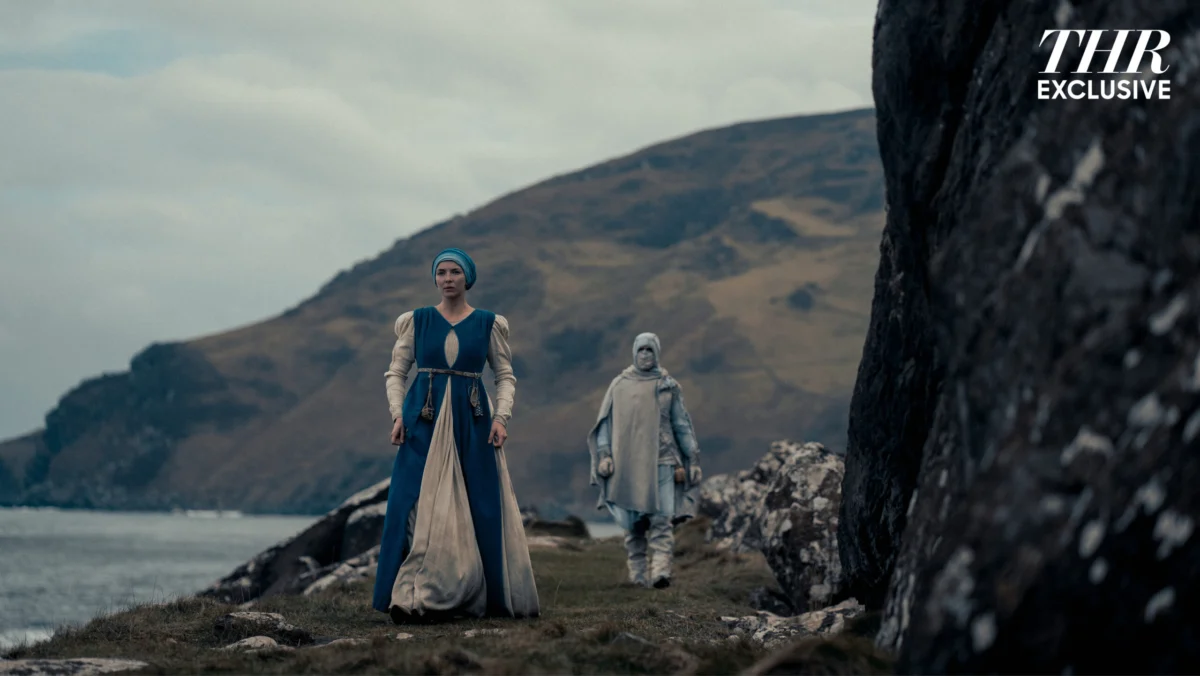
Writer-director Michael Sarnoski, fresh off the critical success of his debut film Pig and his foray into the A Quiet Place franchise, is set to unveil his latest cinematic endeavor, The Death of Robin Hood. This ambitious project, acquired by A24, promises a stark departure from the traditional heroic portrayal of the legendary outlaw, drawing inspiration from deep dives into medieval English history and Sarnoski’s own formative childhood experiences. The film, slated for a June 19 theatrical release, stars Hugh Jackman as an aging, morally complex Robin Hood and Jodie Comer as the enigmatic Sister Brigid.
A Reimagining Rooted in Historical Grit and Personal Resonance
Sarnoski’s approach to The Death of Robin Hood was heavily influenced by his academic research. He immersed himself in medieval English history lectures, seeking to understand the period beyond romanticized notions. "You think of medieval battles as knights in shining armor, riding in on horses, but most of the time it was just peasants beating each other to death with shovels in the mud," Sarnoski remarked, highlighting a key insight that shaped his vision for the film’s action sequences. This gritty realism, he explained, became the bedrock of his directorial intent: "Just a couple of old men, desperately trying to kill each other in the mud — that was the core idea. How do we strip this down to its essentials?"
This core question of stripping down the legend to its essentials reflects Sarnoski’s personal connection to the Robin Hood mythos. His childhood fascination with the 1973 Disney animated version coincided with a significant personal loss: the death of his father. This early encounter with mortality, followed by his discovery of the 17th-century ballad Robin Hood’s Death, presented him with a profound dichotomy. The immortal, idealized animated hero stood in stark contrast to the ballad’s depiction of a quiet, human, and ultimately mortal demise. "That was very confusing to me as a kid, and it was something that I was fascinated by and wanted to explore more deeply," Sarnoski stated, underscoring the personal journey that underpins this cinematic interpretation. The film aims to reconcile these disparate narratives, offering a character study of a legendary figure confronting his own mortality and the weight of his actions.
Visualizing a Bleak and Brutal Medieval Landscape
The Death of Robin Hood was meticulously shot on location across the "stunning wilderness of Northern Ireland," a choice that amplifies the film’s commitment to visceral authenticity. The opening act plunges audiences into a world of relentless brutality, presenting a "bracingly realistic portrait of life on the Celtic fringe circa 1247 A.D." Sarnoski deliberately employed this intense, often unpleasant action to subvert audience expectations. "That was our way of saying, ‘Here’s the legend that you think you’re seeing, this is the thing that you expect from a movie like this,’" he explained. "I needed that action to be unpleasant. After you watch the action in the first third of the movie, I want you to be a little disturbed by it."

The film’s visual language evolves as Robin Hood’s journey progresses. Initially presented in a vast widescreen format with a color palette dominated by "bleak browns and grays," the aspect ratio shifts to a boxier frame upon his arrival at an idyllic priory. This visual transition mirrors Robin’s internal shift from a brutal marauder to a man grappling with guilt and seeking redemption. The commitment to real, striking locations—from imposing castles to rugged mountaintops and, indeed, mudpits—further enhances the film’s grounded realism.
A Narrative Shift: From Violence to Introspection
The film’s narrative trajectory takes a significant turn following a near-fatal encounter with his former companion, Little John, portrayed by Bill Skarsgård. Robin Hood, severely wounded, is taken to a secluded priory to heal, where he is cared for by Sister Brigid (Jodie Comer). This shift from relentless action to "meditative psychological drama" allows Sarnoski to delve into Robin Hood’s inner turmoil. The character, burdened by "a lifetime of guilt and betrayals and secrets," confronts the cyclical nature of violence that has defined his existence. The priory setting, intended to offer peace, becomes a crucible where these unresolved issues threaten his final days.
Sarnoski’s script meticulously examines the "cycles of violence that have defined the character’s life, and, in turn, what he can leave behind." The filmmaker elaborated, "A lot of it is Robin grappling with that legacy. What makes Robin Hood tick? I really wanted to humanize these characters and understand them on a deeper level." This desire to humanize extends to the core of his subversions: "People were getting beaten to death all the time. I want to imagine what it would’ve been like to actually be a person back then."
Sarnoski’s Ascendant Career Trajectory
Michael Sarnoski’s journey to The Death of Robin Hood has been marked by a meteoric rise in Hollywood. A Milwaukee native who pursued his studies at Yale, Sarnoski made a significant impact with his 2021 debut, Pig. The film, lauded for Nicolas Cage’s performance as a reclusive truffle hunter seeking his stolen prized pig, earned Sarnoski and co-writer Vanessa Block the Spirit Award for best first screenplay and garnered widespread critical acclaim.
Following the success of Pig, Sarnoski engaged in numerous meetings with studios and talent, including Jodie Comer, who would later be cast in The Death of Robin Hood. During this period, he also entered negotiations to direct the prequel spinoff A Quiet Place: Day One. While he ultimately signed on for the franchise film, the months preceding that commitment saw him penning a draft of The Death of Robin Hood purely for his own creative satisfaction. "I was like, ‘It’s now or never to try and crank out this Robin Hood script to see if it’s something that I can believe in,’" Sarnoski recalled. He continued to develop the script throughout the production of A Quiet Place: Day One, ensuring he had a personal project he was passionate about as he navigated the demands of a major studio film. This "one for me, one for them" approach, though not intentionally planned as such, allowed him to maintain creative momentum.

The acquisition of distribution rights for The Death of Robin Hood by A24 in May 2024, followed by the critically acclaimed and commercially successful release of A Quiet Place: Day One the subsequent month, highlights Sarnoski’s growing influence and versatility. "I was going from this big studio movie, and before that I had done a tiny indie movie," Sarnoski reflected. "I wanted to use what I learned from both of those worlds in something that was right in between." He characterized the project as an "indie film" despite its significant visual scope, noting that it was financed internationally and written on spec, emphasizing its status as a "real labor of love." He further described the film as "a thoughtful, heartfelt, dark movie that is kind of challenging," a product of a team dedicated to their artistic vision, rather than a conventional blockbuster.
Production Challenges and Actor Performances
The production of The Death of Robin Hood presented considerable challenges, particularly its tight 30-day shooting schedule. This compressed timeframe, given the project’s scale, demanded intense focus and efficiency from cast and crew. Sarnoski acknowledged the demanding nature of the shoot, stating, "The actors were ‘put through their paces’."
Hugh Jackman, returning to a rapid shooting pace reminiscent of his early independent film work, reportedly embraced the intensity. "I know it was rough for Hugh. It was muddy. He tweaked his neck. But he was enjoying it — he liked how fast we were shooting," Sarnoski shared. Jackman’s sentiment, as conveyed by the director, was one of energetic momentum: "’We’re on fire, we’re moving.’ One day we’d be shooting some crazy action scene and then this really intense dramatic scene the next day. It was just nonstop."
Jackman’s portrayal of Robin Hood as an "ogre lion" in the film’s opening offers a departure from his more heroic roles. Sarnoski recognized Jackman’s capacity for embodying the character’s aggressive and violent side, drawing parallels to his iconic performance as Wolverine. However, he also emphasized Jackman’s inherent warmth and kindness, which he believed would lend authenticity to moments of vulnerability and humanity. "He’s such a warm, kind person that no matter what, we can have him do all the horrible things we want in the movie — and those moments when you see kindness in him feel really real."
Jodie Comer’s interpretation of Sister Brigid also represents a significant re-imagining. Sarnoski aimed to move beyond the historical tendency to portray such characters as an "evil nun." Instead, he envisioned Sister Brigid as a figure who, like Robin, uses tools—albeit for different ends—to create her world. "She’s created this incredible world of love and caring using some of the same tools that Robin created a world of pain and violence," Sarnoski explained. The dynamic between these two characters, both wielding their respective influences, forms a central pillar of the narrative. Sarnoski lauded Comer’s performance, noting her ability to embody a range of traits simultaneously: "She’s very childish and sweet at times, but then she has this real gravitas and poise and wisdom that feels kind of beyond her years, and she can play all of those things at the same time. She’s very observant, but she also plays a lot of it close to the chest."

Recurring Themes and Hopeful Endings
Across his nascent filmography, Sarnoski has consistently explored themes of protagonists at an impasse, grappling with weariness and disillusionment, only to find renewed purpose. Pig and A Quiet Place: Day One both feature loner figures whose lives begin to open up. The Death of Robin Hood follows this trajectory, charting Robin Hood’s journey from a brutal existence to a potential reckoning with his legacy.
Despite the somber and often dark subject matter, Sarnoski maintains that his films ultimately offer a degree of optimism. "People describe my movies as sad, and they are somber and sad in certain ways, but I think they all have fairly optimistic or hopeful endings," he stated. His approach involves finding these hopeful resolutions while acknowledging and honoring the darker aspects of the human condition. This philosophy suggests that The Death of Robin Hood, while unflinching in its depiction of medieval brutality and personal struggle, may ultimately offer a nuanced exploration of redemption and the enduring capacity for change.