Nila Kartika Wati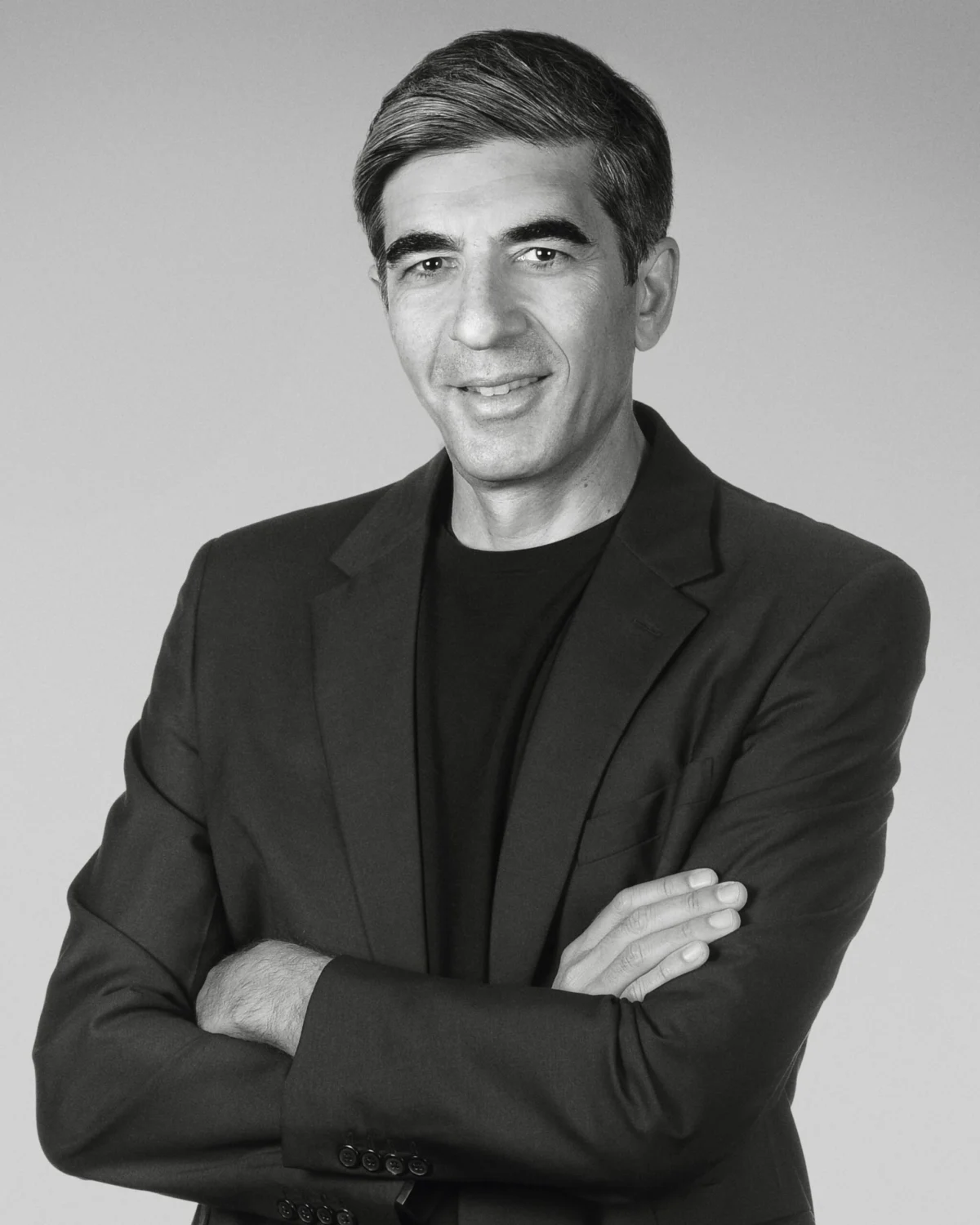
The luxury conglomerate Kering has appointed Gianfranco D’Attis, a seasoned executive with extensive experience at Prada, as the new Chief Executive Officer of its iconic British fashion house, Alexander McQueen. This significant leadership change signals Kering’s intent to undertake a comprehensive restructuring and repositioning of the brand, a move that aligns with broader strategic assessments of the group’s diverse portfolio currently being conducted by Kering CEO Luca De Meo. D’Attis, who previously held a pivotal role at Prada, is tasked with steering Alexander McQueen through a crucial phase of evolution, aiming to solidify its market standing and enhance its creative and commercial trajectory.
Strategic Shift for Alexander McQueen Under New Leadership
The appointment of Gianfranco D’Attis to lead Alexander McQueen is a clear indicator of Kering’s commitment to revitalizing and strengthening one of its most creatively potent but commercially challenged brands. D’Attis’s tenure at Prada, where he played a significant role in shaping the brand’s global strategy and operational excellence, positions him as a leader well-equipped to navigate the complexities of the high-fashion landscape. His mandate is expected to encompass a multifaceted approach, focusing on refining the brand’s commercial strategy, optimizing its global retail footprint, and potentially exploring new avenues for product development and market penetration.
Alexander McQueen, known for its avant-garde designs and dramatic presentations, has always held a unique place in the fashion industry. However, like many heritage luxury houses, it faces the perennial challenge of balancing its artistic vision with sustained commercial success in an increasingly competitive global market. Kering’s decision to bring in D’Attis suggests a strategic imperative to inject fresh momentum into the brand, leveraging his proven track record in driving growth and operational efficiency within a major luxury group. This move is not occurring in a vacuum, but rather as part of a wider strategic evaluation of Kering’s extensive brand portfolio, a process that is being closely watched by industry analysts and investors alike.
Background: Kering’s Portfolio Review and Alexander McQueen’s Trajectory
Kering, the French luxury giant, has been undergoing a period of strategic introspection. Under the leadership of CEO Luca De Meo, the group has been meticulously reviewing its portfolio of brands, assessing their individual performance, market potential, and alignment with Kering’s overarching long-term vision. This comprehensive review is a common practice for large conglomerates seeking to optimize resource allocation, identify areas for growth, and potentially divest underperforming assets or invest more heavily in promising ones.
Alexander McQueen, while celebrated for its creative legacy and the indelible mark left by its late founder, Lee Alexander McQueen, has experienced periods of fluctuating commercial performance. The brand’s artistic director, Sarah Burton, has consistently delivered critically acclaimed collections, maintaining the house’s distinctive identity. However, the challenge lies in translating this creative prowess into consistent, robust financial results that meet the expectations of a publicly traded group like Kering. Recent financial reports from Kering have indicated that while brands like Gucci and Saint Laurent are performing strongly, other houses, including Alexander McQueen, may be subject to closer scrutiny and strategic intervention.
The departure of former CEO of Alexander McQueen, who was not named in the initial report, and the subsequent appointment of D’Attis, can be seen as a direct outcome of this portfolio assessment. It signals Kering’s desire for a more aggressive and commercially astute leadership to guide the brand through its next chapter. The emphasis on "restructuring and repositioning" suggests that significant changes may be on the horizon, potentially affecting everything from product assortment and marketing strategies to the brand’s physical presence in key global markets.
Gianfranco D’Attis: A Proven Track Record in Luxury Fashion
Gianfranco D’Attis brings a wealth of experience to his new role at Alexander McQueen. His tenure at Prada, one of the most influential and enduring luxury brands, provided him with an intimate understanding of the luxury consumer, the intricacies of global supply chains, and the art of brand building. While specific details of his responsibilities at Prada were not publicly disclosed in the initial announcement, his reputation as a capable leader suggests he was instrumental in driving sales, enhancing operational efficiency, and contributing to Prada’s overall market strategy.
His expertise is particularly valuable in the current fashion climate, which demands a delicate balance between heritage and modernity, creativity and commercial viability. D’Attis will be expected to leverage his understanding of these dynamics to ensure Alexander McQueen not only retains its artistic integrity but also achieves greater commercial success. This may involve a deep dive into the brand’s product categories, exploring opportunities for expansion in accessories or other high-margin segments, and optimizing its direct-to-consumer channels. Furthermore, his experience in navigating international markets will be crucial as Kering looks to strengthen Alexander McQueen’s presence in key growth regions.
Implications of the Leadership Change
The appointment of Gianfranco D’Attis as CEO of Alexander McQueen carries several significant implications for the brand and the wider luxury industry:
-
Renewed Commercial Focus: The emphasis on "restructuring and repositioning" strongly suggests a renewed focus on commercial performance. D’Attis’s mandate will likely involve a strategic re-evaluation of how Alexander McQueen’s creative output translates into tangible sales and profitability. This could lead to adjustments in product pricing, distribution strategies, and marketing investments.
-
Potential for Strategic Realignment: As part of Kering’s broader portfolio review, Alexander McQueen’s future strategic direction may be recalibrated. This could involve greater synergy with other Kering brands, or a more distinct positioning to avoid internal competition. It might also signal an increased investment in specific markets or product categories where the brand has strong potential.
-
Impact on Creative Direction: While the CEO’s role is primarily commercial and operational, leadership changes can indirectly influence creative direction. D’Attis will work closely with Sarah Burton, the acclaimed creative director, to ensure that commercial objectives are met without compromising the brand’s distinctive artistic vision. The challenge will be to foster a collaborative environment where creative innovation is supported by robust business strategies.
-
Market Confidence: The appointment of a seasoned executive like D’Attis is generally viewed positively by the market, signaling stability and a clear direction for the brand. Investors will be looking for evidence of improved financial performance in the coming quarters, which will be crucial in assessing the success of this leadership transition.
-
Competitive Landscape: This move also has implications for competitors. A revitalized and commercially stronger Alexander McQueen could intensify competition within the luxury segment, particularly for brands operating in similar aesthetic or market spaces. Kering’s strategic moves often set benchmarks and influence broader industry trends.
Future Outlook and Unanswered Questions
While the appointment of Gianfranco D’Attis is a significant development, many aspects of Alexander McQueen’s future under his leadership remain to be seen. Key questions that industry observers will be keen to answer include:
- Specific Restructuring Plans: What specific areas will undergo restructuring? Will this involve changes to manufacturing, supply chain, or retail operations?
- Repositioning Strategy: How will Alexander McQueen be repositioned? Will it target a new demographic, or expand its product offerings in specific categories?
- Investment and Growth Targets: What are Kering’s specific growth targets for Alexander McQueen, and what level of investment will be allocated to achieve them?
- Synergies within Kering: How will Alexander McQueen potentially leverage synergies with other brands within the Kering portfolio?
- Sarah Burton’s Role: What will be the nature of the collaboration between D’Attis and Creative Director Sarah Burton, and how will their partnership evolve?
The fashion industry is in a constant state of flux, with brands needing to be agile and responsive to evolving consumer preferences and market dynamics. The appointment of Gianfranco D’Attis at Alexander McQueen is a strategic move by Kering to ensure the brand remains at the forefront of luxury fashion. His expertise and the ongoing portfolio review by Kering suggest a period of significant evolution for the iconic house, with the potential to unlock new levels of commercial success while preserving its rich creative heritage. The coming months and years will reveal the full impact of this pivotal leadership change.