Johny Marice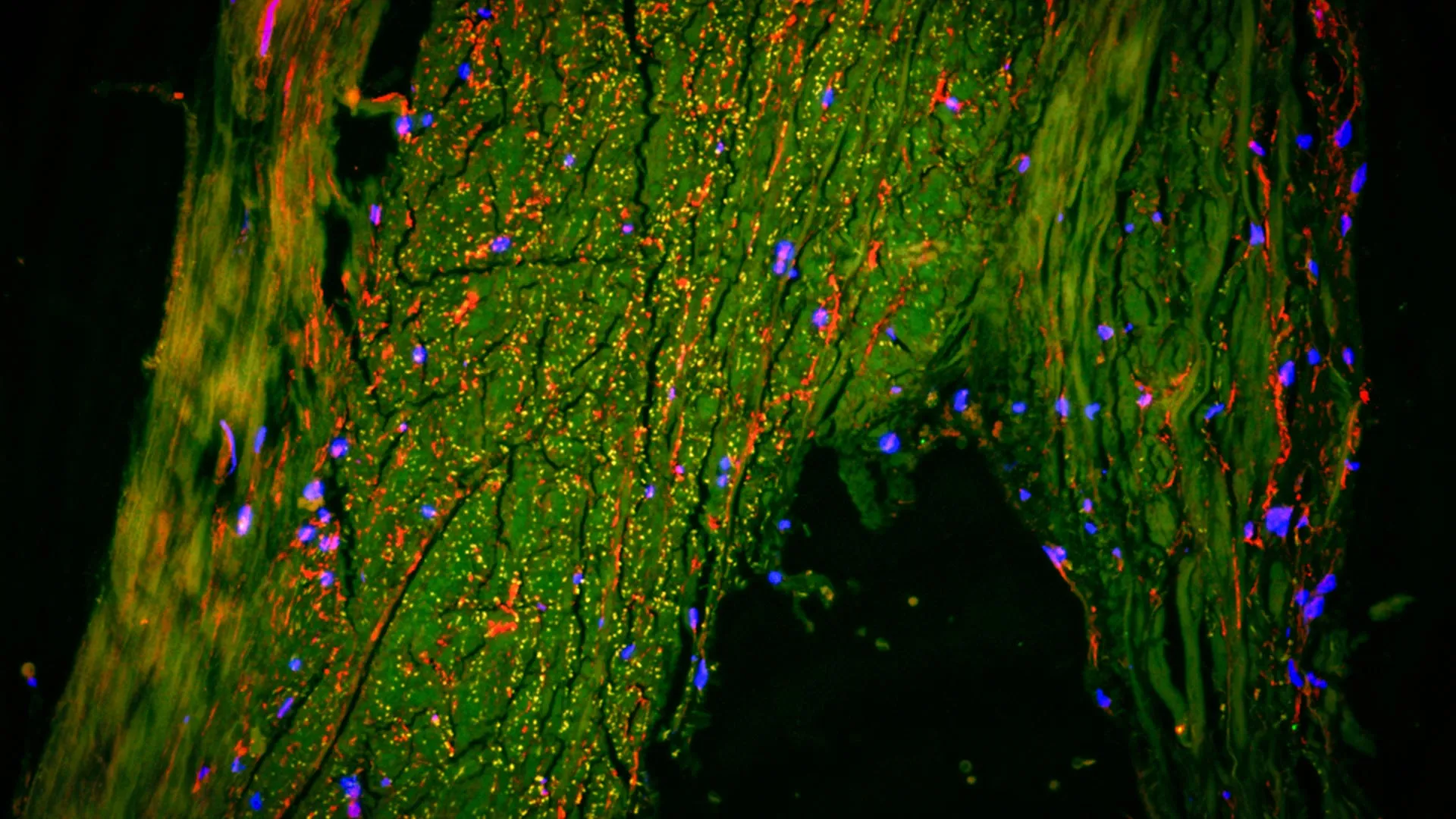
The human brain, a marvel of biological complexity, has long been understood to possess sophisticated mechanisms for self-maintenance. Among these, the efficient removal of metabolic waste and toxic byproducts is paramount to preserving cognitive function and overall neurological health. For decades, scientists have grappled with the intricate workings of the brain’s specialized drainage network, a system intricately linked to the body’s broader lymphatic system. In a groundbreaking study published in the prestigious journal iScience, researchers at the Medical University of South Carolina (MUSC) have provided the first direct human evidence of a previously unrecognized control point within this vital system: the middle meningeal artery (MMA). This discovery fundamentally shifts our understanding of how the brain manages fluid and waste clearance, pushing the boundaries of brain imaging technology to unprecedented limits.
The research, spearheaded by Dr. Onder Albayram, an associate professor in the Department of Pathology and Laboratory Medicine at MUSC, utilized cutting-edge real-time Magnetic Resonance Imaging (MRI) technology. These advanced imaging capabilities were made accessible through a unique collaboration with NASA, originally developed to meticulously study the effects of spaceflight on fluid dynamics within the human brain. By adapting these sophisticated tools, Dr. Albayram’s team was able to achieve a level of detail and temporal resolution previously unattainable for observing brain fluid movement.
Real-Time MRI Reveals Unexpected Fluid Dynamics
Over a six-hour period, the research team meticulously monitored the movement of cerebrospinal fluid (CSF) and interstitial fluid (ISF) along the course of the MMA in five healthy human volunteers. What unfolded was a revelation that challenged long-held assumptions about vascular flow in the brain. Unlike the rapid and dynamic pulsatile flow characteristic of arterial blood, the observed fluid exhibited a slow, steady, and continuous movement. This distinct pattern strongly suggested that the fluid was not part of the arterial circulatory system but rather an integral component of the brain’s lymphatic drainage pathway.
"We observed a flow pattern that did not behave like blood moving through an artery; it was slower, more akin to drainage, clearly indicating that this vessel plays a role in the brain’s cleanup system," stated Dr. Albayram in an interview. This observation was particularly significant because the MMA, a major artery supplying blood to the meninges—the protective membranes surrounding the brain and spinal cord—had not previously been implicated in direct lymphatic fluid transport.
A Shifting Paradigm: The Brain’s Interconnectedness with the Body
For a considerable period, the prevailing scientific consensus held that the meninges acted as a robust barrier, effectively separating the brain and spinal cord from the body’s intricate immune and lymphatic systems. This view posited a largely autonomous brain, shielded from the peripheral bodily functions. However, in the last decade, a growing body of research has begun to dismantle this notion, revealing a far more interconnected relationship.
Dr. Albayram’s own extensive research over several years has been instrumental in this paradigm shift. His previous work has focused on identifying and characterizing lymphatic vessels embedded within the meninges. These meningeal lymphatic vessels, he proposes, function as critical conduits, actively channeling waste products and metabolic byproducts away from the brain’s delicate tissues and directing them into the broader lymphatic network of the body for eventual elimination. This new finding concerning the MMA’s role in fluid flow directly supports and expands upon this revolutionary understanding.
The ability to accurately map and comprehend the movement of fluids between the brain and the rest of the body is not merely an academic pursuit; it holds profound implications for clinical practice. A deeper understanding of these pathways could pave the way for novel therapeutic strategies aimed at preventing and treating a wide spectrum of neurological and psychiatric disorders, many of which are increasingly being linked to impaired waste clearance mechanisms.
Imaging Prowess Confirms a True Lymphatic Pathway
This latest study builds upon prior investigative successes by Dr. Albayram and his team. In a seminal 2022 study published in Nature Communications, they successfully visualized meningeal lymphatic vessels in humans for the first time. The current research, however, takes this visualization a significant step further by capturing the real-time movement of fluids deep within these newly identified lymphatic structures.
To corroborate their real-time MRI findings, the researchers employed an additional, highly sophisticated methodology. They subjected human brain tissue samples to ultra-high-resolution imaging. This meticulous analysis was conducted in close collaboration with scientists at Cornell University, utilizing an advanced imaging technique that allows for the simultaneous visualization of multiple distinct cell types.
The detailed examination of the tissue revealed compelling evidence: the region surrounding the MMA is densely populated with cells that are characteristic of lymphatic vessels. These are the very same types of cellular structures that are known to be responsible for waste clearance throughout the body’s peripheral lymphatic system. When integrated with the MRI data, these tissue analyses provided irrefutable biological validation for the observed slow-moving fluid. The scans definitively showed that the fluid was traversing through bona fide lymphatic vessels, rather than blood vessels, thereby creating a direct bridge between advanced imaging observations and concrete biological evidence.
The Significance of Studying Healthy Brains
A cornerstone of this research methodology is its deliberate emphasis on studying healthy individuals as the primary subjects. This approach stands in contrast to many research endeavors that initiate investigations by examining animal models or individuals with existing pathologies. By establishing a clear and precise baseline of how the brain’s lymphatic system functions under normal, healthy conditions, scientists are empowered to more accurately identify deviations and abnormalities that occur in disease states.
This baseline understanding is critically important for deciphering the role of compromised drainage in various neurological conditions. For instance, disruptions in this intricate waste removal system are increasingly suspected to play a significant role in the pathophysiology of traumatic brain injury (TBI), where the brain’s ability to clear accumulated debris is severely tested. Furthermore, impairments in lymphatic drainage are also being investigated as potential contributing factors in the progression of neurodegenerative diseases such as Alzheimer’s and Parkinson’s.
Broader Implications for Neurodegenerative Diseases and Brain Health
The implications of this discovery extend far beyond the immediate understanding of fluid dynamics. The identification of the MMA as a key control point in the brain’s lymphatic system could revolutionize our approach to understanding and treating a wide array of debilitating conditions. This includes gaining deeper insights into the aging process, the complex mechanisms of brain inflammation, the consequences of brain injury, and the underlying pathologies of Alzheimer’s disease, Parkinson’s disease, and various psychiatric disorders.
Dr. Albayram and his team are already actively building upon these foundational findings. Their ongoing research is focused on investigating how this vital drainage system behaves in individuals diagnosed with neurodegenerative diseases. The ultimate long-term objective is to leverage this enhanced understanding to improve early diagnostic capabilities, develop more effective preventive strategies, and ultimately, design more potent and targeted therapeutic interventions for these challenging conditions.
"A major hurdle in brain research is our incomplete understanding of how a healthy brain functions and ages," Dr. Albayram commented. "Once we can definitively characterize what ‘normal’ looks like, we will be much better equipped to recognize the earliest signs of disease and to design more effective treatments that can intervene at critical stages." This sentiment underscores the profound impact that fundamental research into basic physiological processes can have on the future of human health. The meticulous work of Dr. Albayram and his colleagues at MUSC, in collaboration with NASA and Cornell University, represents a significant leap forward in our quest to unravel the mysteries of the brain and to combat the devastating effects of neurological disease.