Ronny Sianturi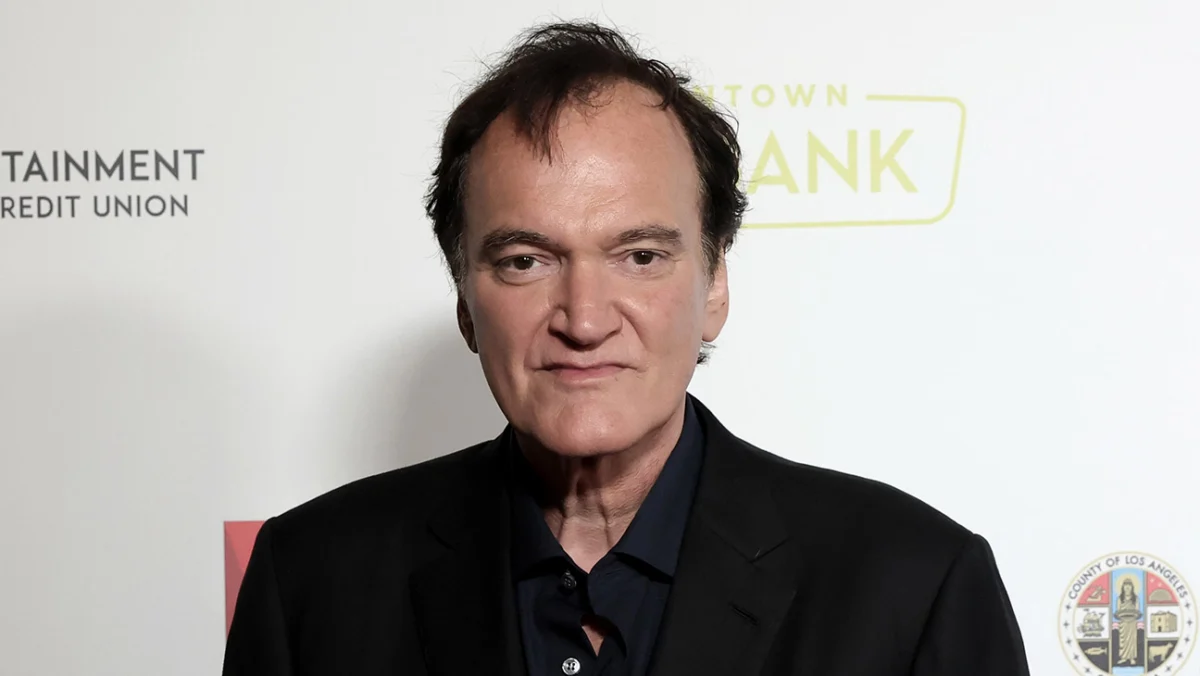
Renowned filmmaker Quentin Tarantino has publicly expressed a profound dissatisfaction with the current landscape of contemporary cinema, lamenting what he perceives as a pervasive decline in quality and creativity. In a recent, candid op-ed published in Sight and Sound magazine, the Oscar-winning director articulated a sharp critique of new films emerging from what he disparagingly termed the "flavorless sausage factory that used to call itself Hollywood." His assessment, particularly in the post-pandemic era, paints a grim picture of a cinematic industry struggling to capture his attention, often falling victim to "flaws, implausibilities, audience pandering, miscast performers or just plain stupid shit."
Tarantino’s disillusionment is not a recent development, but it appears to have intensified in recent years. He notes that since the global health crisis, he finds it "almost impossible for a new movie to come out that I don’t pick to death." This critical eye, while characteristic of a seasoned cinephile and filmmaker, underscores a broader sentiment among some industry observers and audiences regarding the perceived stagnation of original storytelling and bold artistic choices in mainstream filmmaking. The director’s statement implies a significant departure from the era when movies were a primary source of profound artistic engagement, stating, "These days the entire concept of what is a movie is more inclined to inspire contempt in me than generosity." He further contextualizes this sentiment by drawing a stark comparison: "by comparison the movies of the last six years make the 80s seem like the 30s," suggesting a dramatic regression in cinematic quality over a relatively short period.
A Difficult Landscape for a Discerning Viewer
The director, celebrated for his distinctive narrative styles and genre-bending approaches in films like Pulp Fiction, Kill Bill, and Once Upon a Time in Hollywood, confessed that finding new films that genuinely captivate him has become an increasingly rare occurrence. He admits to having seen movies he has "liked" since the pandemic, citing Steven Spielberg’s musical revival West Side Story (2021) and Kevin Costner’s ambitious Western saga Horizon: An American Saga – Chapter 1 & 2 (both 2024) as examples of films that garnered some level of his approval. However, he qualifies these acknowledgments with a notable caveat: "nothing that really held me in its grip and swept me away to the magical land of enjoyment that I used to visit and was the reason why I loved movies above all artforms."
This experience has led Tarantino to a personal preference for other forms of media. "These days I’d rather read a book," he stated, a sentiment that resonates with a growing segment of the population increasingly seeking deeper engagement through literature in an era of perceived superficial digital content. The comparison between the immersive experience of reading and the often-disappointing experience of watching contemporary films highlights a perceived deficit in cinematic storytelling’s ability to transport and profoundly affect its audience.
The Exception: Joe Carnahan’s "The Rip"
Amidst this backdrop of cinematic dissatisfaction, one film managed to break through Tarantino’s critical guard and hold his complete attention: Joe Carnahan’s recently released Netflix film, The Rip. Starring Matt Damon and Ben Affleck, this crime thriller appears to have succeeded where many others have failed in capturing Tarantino’s imagination. He described the film as an "exciting cop thriller with a novel premise that manages to deliver the goods in really clever ways."
Tarantino’s praise for The Rip extended to its various components, emphasizing the cohesive and effective execution of the project. He lauded "Carnahan’s direction, the splendid cast, the look of the film (courtesy of cinematographer Juan Miguel Azpiroz)," but ultimately singled out the screenplay by Carnahan and Michael McGrale as the "real powerhouse component." This commendation suggests that, for Tarantino, a strong, intelligent script remains the bedrock of compelling cinema, capable of elevating all other elements of production.
The success of The Rip in engaging a filmmaker of Tarantino’s caliber, known for his meticulous attention to craft and storytelling, could be interpreted as a significant endorsement. It suggests that films with strong narrative foundations, innovative concepts, and skillful execution can still emerge and resonate, even within a seemingly saturated and often criticized industry.
Background and Context of "The Rip"
The Rip, released on Netflix, is an original screenplay penned by Joe Carnahan and Michael McGrale. The film plunges into the world of high-stakes heists and the intricate planning involved. It features a star-studded cast, including Matt Damon and Ben Affleck, who also produced the film through their company, Artists Equity. The premise reportedly involves a team of thieves orchestrating a complex operation, with the narrative weaving together elements of suspense, action, and strategic maneuvering.
The film’s journey to release has not been without its controversies. The Rip has recently garnered significant media attention due to a defamation lawsuit filed by two Miami-Dade police officers. The officers allege that the movie has caused them reputational damage by blending fictionalized elements with details derived from their real-life experiences, thereby creating a false and damaging portrayal of their professional conduct. This legal challenge highlights the complex ethical considerations and potential repercussions that filmmakers face when drawing inspiration from real-life events and individuals, even within a fictionalized narrative. The lawsuit underscores the delicate balance between creative license and the responsibility to accurately represent or avoid misrepresenting real people and their experiences.
Broader Implications and Industry Analysis
Tarantino’s pronouncements, while highly personal, tap into a larger conversation about the state of Hollywood. The director’s critique of the "flavorless sausage factory" echoes concerns about the increasing reliance on sequels, remakes, and established intellectual property over original stories. Data from recent years has shown a significant trend towards franchise films dominating box office receipts, often at the expense of mid-budget, original productions. For instance, a report by the Motion Picture Association (MPA) consistently highlights the dominance of tentpole franchises in global box office revenue, while original IP-driven films often struggle to gain traction or significant financial returns.
The post-pandemic era has indeed presented unique challenges for the film industry. Shifting audience viewing habits, the rise of streaming platforms, and increased production costs have all contributed to a dynamic and often unpredictable market. Tarantino’s observation that "these days, the entire concept of what is a movie is more inclined to inspire contempt in me than generosity" could reflect a broader audience fatigue with formulaic storytelling and a yearning for more challenging, innovative, and emotionally resonant cinematic experiences. The rise of independent cinema and the critical acclaim often showered upon films from international markets or smaller studios suggests a discerning audience actively seeking out unique voices and perspectives.
The director’s preference for literature over cinema, as stated in his op-ed, is a telling indicator. Books, by their nature, require a more active and imaginative engagement from the reader, often fostering a deeper and more personal connection with the narrative. This suggests that contemporary films may be failing to provide the same level of immersive and thought-provoking experience that many audiences, including esteemed filmmakers, now seek.
Tarantino’s Next Chapter: A Stage Play
While Tarantino continues to dissect the cinematic world, he is also embarking on a new creative venture. The director is currently immersed in the development of his first stage play, titled The Popinjay Cavalier. Slated to open in London’s West End in 2027, the production is described as "a rambunctious comedy of deception and disguise inspired by the grand swashbuckling epics of stage and screen." This move into theatrical production marks a significant evolution in Tarantino’s career and offers a new platform for his distinctive storytelling sensibilities. His foray into theatre, a medium that demands a different kind of narrative construction and performance, could potentially yield fresh insights and artistic expressions, further distinguishing his work from the current cinematic trends he critiques. The success and reception of The Popinjay Cavalier will undoubtedly be closely watched by fans and critics alike, offering a glimpse into how his celebrated vision translates to the live stage.