Danny Garick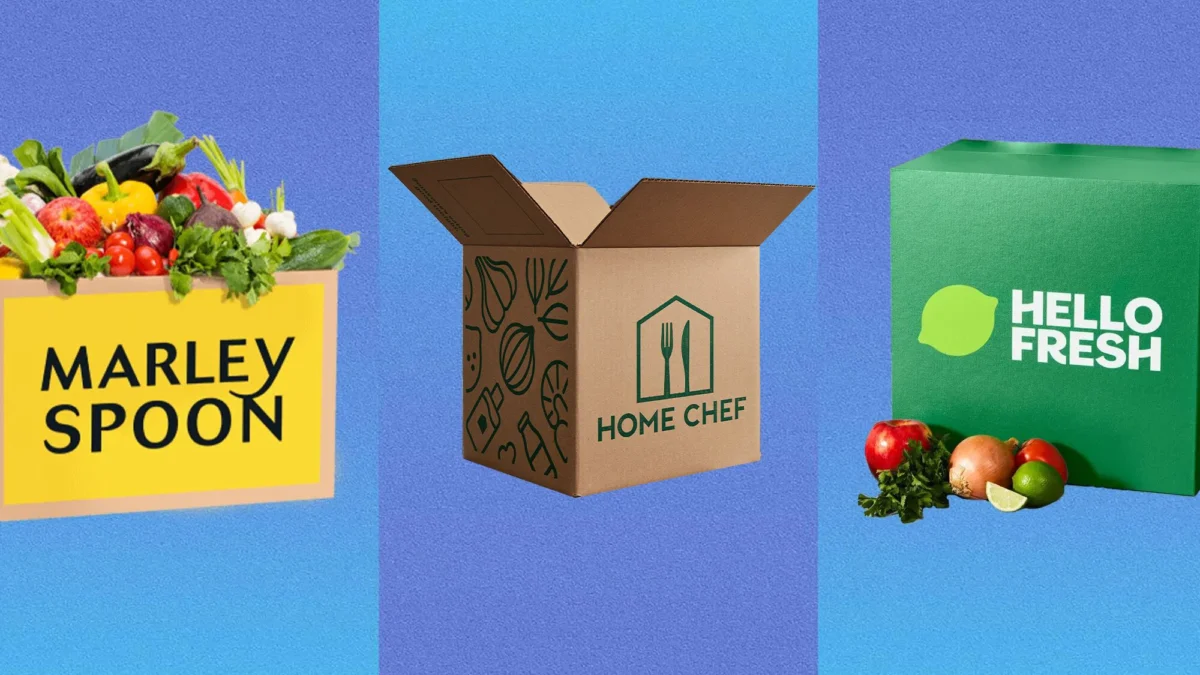
The landscape of American home dining has undergone a radical transformation over the last decade, transitioning from a reliance on traditional grocery shopping to a sophisticated ecosystem of subscription-based meal delivery services. What began as a niche convenience for urban professionals has evolved into a multibillion-dollar industry, with the global meal kit market size valued at approximately $15.21 billion in 2023 and projected to expand at a compound annual growth rate (CAGR) of 15.3% through 2030. This growth is driven by a fundamental shift in consumer behavior: the desire for high-quality, home-cooked meals without the logistical burdens of meal planning, ingredient sourcing, and extensive preparation.
The Evolution of the Meal Kit Industry: A Decade of Innovation
The chronology of the meal kit industry is marked by rapid expansion and subsequent consolidation. Blue Apron, founded in 2012, is widely credited with pioneering the model in the United States. Within years, competitors like HelloFresh entered the market, eventually securing a dominant 74% market share. By 2017, the industry saw significant shifts as major retailers took notice; that same year, Albertsons acquired Plated, and Amazon’s purchase of Whole Foods signaled a new era of grocery-tech integration.
The COVID-19 pandemic served as a massive catalyst for the sector. In 2020, as restaurant dining became restricted, meal kit subscriptions surged. This period also saw the rise of specialized services catering to specific dietary requirements, such as organic, keto, and plant-based diets. Today, the industry has matured into a three-tiered system: traditional ingredient-and-recipe kits, "heat-and-eat" prepared meals, and hybrid grocery services.
Market Leaders and the Pursuit of Culinary Excellence
Marley Spoon: The Culinary Standard
Marley Spoon has distinguished itself through a high-profile partnership with Martha Stewart, integrating her archived recipes into a weekly rotation of over 100 options. Industry analysts note that Marley Spoon targets a demographic that values the act of cooking but lacks the time for procurement. Unlike competitors that emphasize pre-chopped ingredients, Marley Spoon delivers whole vegetables and requires "real" techniques, such as searing and roasting.
Data from consumer testing suggests that this approach fosters a higher sense of accomplishment among home cooks. The service typically costs between $9 and $13 per serving, plus an $11.99 shipping fee, positioning it as a premium option for those who view cooking as a hobby rather than a chore.
Home Chef: The Versatility Choice
Voted "Best for Most People," Home Chef, owned by Kroger, offers the most significant degree of customization in the industry. The service allows users to swap proteins or double portions on nearly any dish. Its "Express" line addresses a critical consumer pain point: time. While traditional kits take 40 minutes, Home Chef’s 15-minute options and oven-ready tins have allowed it to capture a broad segment of the suburban family market. Pricing is competitive, ranging from $6.99 to $9.99 per serving.
HelloFresh: The Family Workhorse
As the market leader, HelloFresh relies on a massive logistical network to provide consistency. Its "Family-Friendly" and "Fit and Wholesome" plans are designed for high-volume households. Testing notes indicate that while HelloFresh recipes are professional and reliable, they often lean toward higher carbohydrate and sugar content to ensure broad palatability. The service remains a primary entry point for new subscribers due to its aggressive marketing and beginner-friendly instructions.
The Rise of the Prepared Meal Sector
As consumer "decision fatigue" increases, the industry has seen a pivot toward fully prepared meals. CookUnity and Factor (owned by HelloFresh) represent the vanguard of this shift.
CookUnity: Chef-Driven Prepared Dining
CookUnity functions as a platform for independent chefs, including renowned names like José Garces and Esther Choi. Unlike the "TV dinner" associations of the past, these meals are delivered fresh and utilize modified atmosphere packaging to maintain quality for up to seven days. Senior editors who tested the service noted that CookUnity’s portions—particularly protein counts—consistently exceed industry averages. At $11 to $15 per serving, it competes directly with mid-range restaurant takeout.
Factor: Dietitian-Approved Convenience
Factor targets the "wellness" and "performance" demographic. Its meals are designed around macros, with specific filters for Keto, High Protein, and GLP-1 support. Testing highlights that while the meals are highly seasoned and satisfying, the reliance on microwave heating can lead to repetitive textures, particularly in vegetable sides like broccoli and green beans.

Specialized Solutions: Organic, Vegan, and Budget Tiers
The diversification of the market has allowed for hyper-specialized services that address ethical and health-conscious consumer segments.
Green Chef: The Organic Authority
Green Chef is the first USDA-certified organic meal kit company. It appeals to consumers who prioritize sustainable sourcing and clean labels. The service streamlines prep by providing pre-mixed sauces and herb blends, though it remains one of the more labor-intensive kits, often requiring multiple pans for a single meal.
Purple Carrot: Plant-Based Innovation
Purple Carrot has successfully challenged the perception that vegan meals are unfulfilling. Its menu includes innovative use of mushroom-based proteins and international flavors, such as togarashi-spiced squash. However, logistical data shows that Purple Carrot’s inventory can be volatile; testers reported frequent meal substitutions due to ingredient quality issues at the shipping source.
Dinnerly: The Economic Alternative
Owned by Marley Spoon, Dinnerly is the industry’s primary "budget" kit. By utilizing digital recipe cards instead of printed ones and reducing the number of ingredients per dish, Dinnerly maintains a price point of approximately $8 per serving. Analysts suggest this is a vital segment as inflation pressures household food budgets.
Logistical Challenges and Environmental Impact
Despite the convenience, the meal kit industry faces ongoing scrutiny regarding its environmental footprint. A standard delivery includes an insulated cardboard box, plastic liners, and heavy-duty ice packs. While companies like Thistle have pioneered reusable bag programs on the West Coast, the majority of the industry still relies on single-use plastics for individual ingredient portions.
Furthermore, delivery reliability remains a variable factor. Industry testing across three-week periods often reveals at least one instance of delayed shipping or damaged produce. Most services have responded by implementing robust customer service credit systems, but the "last mile" of delivery remains the industry’s most significant logistical hurdle.
Comparative Data and Financial Analysis
| Service | Type | Avg. Price/Meal | Shipping | Unique Value Proposition |
|---|---|---|---|---|
| Marley Spoon | Kit | $9–$13 | $11.99 | Martha Stewart recipes |
| Home Chef | Hybrid | $6.99–$9.99 | $10.99 | High customization |
| HelloFresh | Kit | $9.99 | $10.99 | Massive variety |
| CookUnity | Prepared | $11–$15 | $10.00 | Restaurant-quality chefs |
| Dinnerly | Kit | $7.99 | $11.99 | Lowest price point |
| Hungryroot | Grocery | $9–$11 | $6.99* | Hybrid grocery/kit |
| Sakara | Prepared | $25–$35 | Included | Ultra-premium wellness |
*Free for orders over $70
The Future of Home Cooking: Implications and Trends
The trajectory of meal delivery services suggests a move toward "smart" integration. Tovala, which pairs a proprietary smart oven with its meal service, represents a new frontier where hardware and software eliminate the margin for human error in cooking. By scanning a QR code, the oven automatically sets the time and temperature for steam-baking or convection roasting, producing results that testers described as superior to standard microwave reheating.
Moreover, the line between grocery stores and meal kits continues to blur. Hungryroot’s credit-based system allows users to buy individual groceries alongside "recipe kits," effectively acting as a virtual pantry manager. This flexibility addresses a major criticism of traditional kits: the "locked-in" feeling that leads to food waste when a subscriber’s plans change.
Conclusion: A Sustained Shift in the American Kitchen
The best meal delivery services are no longer just about food; they are about time management and culinary education. By introducing home cooks to new ingredients like sunchokes, miso, or togarashi, these services have effectively democratized gourmet cooking. While the premium price point—ranging from $8 to $30 per serving—remains higher than traditional grocery shopping, the value proposition of reduced stress and eliminated food waste continues to resonate with a broad spectrum of the population.
As the industry continues to consolidate and innovate, the focus will likely remain on improving sustainability and expanding "heat-and-eat" options that do not sacrifice nutritional integrity. For the modern consumer, the "sad, empty fridge" is increasingly becoming a relic of the past, replaced by a box on the stoop that promises a chef-designed experience in 30 minutes or less.