Danny Garick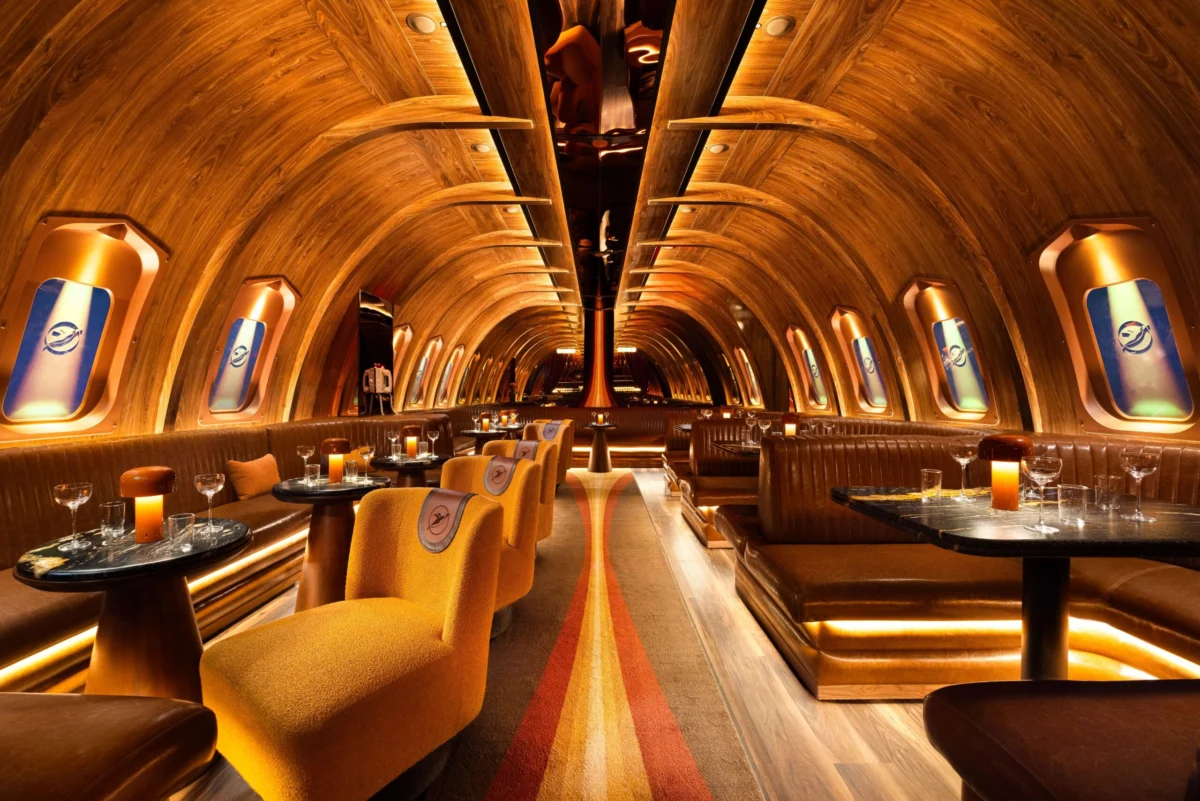
Phoenix, Arizona, a metropolitan expanse covering more than 517 square miles, is currently witnessing a significant transformation in its beverage landscape. Long defined by its relentless desert heat and sprawling suburban geography, the Valley of the Sun has transitioned from a region of hidden gems into a sophisticated hub for viticulture, craft brewing, and experimental mixology. This evolution is not merely a byproduct of urban growth—Phoenix has consistently ranked as one of the fastest-growing cities in the United States over the last decade—but rather a concerted effort by a new generation of artisans to channel the unique energy of the Sonoran Desert into liquid form. As the city’s footprint extends into adjacent municipalities like Scottsdale, Tempe, and Ahwatukee, the "drink landscape" has become a decentralized map of innovation, requiring enthusiasts to venture far beyond the traditional downtown hubs to find the most progressive offerings.
The Chronology of Phoenix’s Beverage Renaissance
To understand the current state of the Phoenix drink scene, one must look at the trajectory of the last ten years. Around 2014, the city began to see a surge in "third-wave" coffee and craft beer, led by pioneers who prioritized local sourcing and artisanal techniques. This period established the "stalwarts" of the industry, such as Arizona Wilderness Brewing Company and Wren House Brewing Company, both of which have recently expanded their operations to reach new demographics.
By 2018, the focus shifted toward high-concept cocktail programs. Mixologists began moving away from standard iterations of classics, instead embracing the "desert pantry"—using ingredients like prickly pear, mesquite, and agave to create a distinct regional identity. The post-pandemic era, beginning in 2021, has introduced a third phase: the "multi-sensory frontier." This current era is defined by immersive environments, high-tech preparation methods, and a deeper embrace of the city’s diverse cultural heritage, particularly Latin American and South Asian influences.

The New Vanguard of Phoenix Coffee Culture
The coffee scene in Phoenix has moved beyond the simple pursuit of a caffeine fix, evolving into a platform for cultural storytelling and environmental integration. This shift is most evident in the contrasting philosophies of Malegría Cafe and Wonderift Coffee.
Located on Grand Avenue—a historic thoroughfare known for its grit, neon signs, and thriving arts community—Malegría Cafe serves as a cultural bridge. Owner Melina Ruano Serrano has designed the space to reflect her heritage, featuring murals of the national birds of Mexico, El Salvador, and Guatemala. The menu is an exercise in "braiding" coffee traditions. Serrano’s signature Salvadorian lattes, specifically the horchata version, utilize a traditional "Salvi" blend of toasted rice, cinnamon, peanuts, and various seeds. This provides a complex, nutty foundation for espresso sourced from Condor Coffee, a local small-batch roaster. The inclusion of café de olla, seasoned with cloves and star anise, highlights a growing trend in the Valley: the elevation of traditional Latin American home-brewing methods into a professional café setting.
Conversely, Wonderift Coffee in Ahwatukee represents the intersection of Phoenix’s outdoor lifestyle and its burgeoning "experience economy." Situated near the trailhead of South Mountain Park and Preserve—the largest municipal park in the United States with over 16,000 acres—Wonderift was founded by Lauren Topor and Kyle Reichert. The shop’s ethos is rooted in the "mellowness and adventure" of their Hawaiian honeymoon, translated for the Arizona desert. The shop eschews the traditional "velvet couch" aesthetic for a minimalist, hiker-friendly environment. Technically, the program is adventurous; Topor emphasizes complex flavor profiles, such as a summer shakerato sweetened with agave rather than refined sugar, and a tonic-based espresso drink brightened with citrus-cardamom syrup. Their commitment to sustainability, including the recycling of all coffee grounds, reflects a broader industry move toward environmental accountability.
The Evolution of Craft Brewing: From Gose to Cask
The Phoenix beer scene, which contributed $1.4 billion to the state’s economy in recent years, continues to be anchored by two major entities that are currently redefining their missions.

Arizona Wilderness Brewing Company has moved its primary brewing operations to the "Miracle Mile" district. This area, once a thriving commercial hub in the mid-20th century, is undergoing a significant revitalization. Founders Jonathan Buford and Patrick Ware have built their reputation on the use of Sinagua Malt, a low-water-use grain grown in the Verde Valley specifically designed to preserve Arizona’s waterways. Their new 10,000-square-foot facility, located in a building that historically housed an illicit gambling den, operates as a "mothership" for experimental brewing. The program focuses on "arcane suds," such as beer-wine hybrids and sours infused with foraged spruce tips or prickly pear. By utilizing wild yeast culled from various Arizona micro-climates, Wilderness is creating a "terroir" for beer that is uniquely Arizonan.
In Paradise Valley, Wren House Brewing Company is taking a different approach by reviving the nearly lost art of cask-conditioned ale. Under the management of Mason Swierenga, the new Wren House outpost features four rotating cask engines. Unlike standard draft beer, which is forced through lines using CO2, cask ale is naturally conditioned and served via hand pumps. This results in a softer carbonation and a "plush" mouthfeel that allows the nuances of the hops and malts to emerge more clearly. This move toward traditional British "real ale" techniques, housed within a space that blends Southwest design with the aesthetic of a classic London pub, represents a sophisticated maturation of the local beer market.
High-Tech Mixology and the Produce-Forward Movement
The most radical changes in the Valley are occurring within the cocktail sector, where technology and culinary theory are merging. Two establishments, Legends Never Die and Indibar, exemplify this shift.
Legends Never Die, located on Roosevelt Row, operates under a "produce-first" philosophy. Founders Brenon Stuart and Sam Olguin have inverted the traditional mixology hierarchy, selecting seasonal fruits and vegetables before choosing a base spirit. The technical execution involves centrifuge clarification—a process that spins ingredients at high speeds to separate solids from liquids, resulting in perfectly clear juices with intense flavor—and sous-vide infusions. For example, their "green apple and snap pea" cocktail utilizes blanco tequila infused with snap peas and a custom "tree-fruit" acid blend. The bar’s minimalist, brutalist design is a deliberate departure from the "Instagram-friendly" aesthetics common in modern bars, focusing instead on the sensory experience of the drink itself.

In Scottsdale, Indibar represents the successful integration of modern Indian gastronomy with technique-heavy mixology. Beverage director Jonathan Rodrigues employs sophisticated methods such as ghee-washing whiskey and mustard-infusing tequila to create drinks that complement the kitchen’s rogan josh and papadum. The "Mango Lore," which combines mezcal with tropical fruits and finger lime caviar, illustrates the "multi-sensory frontier" by using texture and smoke to evoke cultural narratives. Co-owner and executive chef Nigel Lobo notes that the cocktails are intended to serve as "stories that connect us to our roots," highlighting a trend where the bar program is as conceptually rigorous as the food menu.
Immersive Environments and the Jet-Set Fantasy
The rise of "thematic mixology" is best represented by Carry On, a 1970s jet-set fantasy located in downtown Phoenix. This establishment capitalizes on the "experience economy" by providing a 90-minute immersive simulation of a mid-century luxury flight. The attention to detail is absolute: porthole-shaped windows display drifting clouds, and the room is engineered to simulate minor turbulence.
Beverage director Jax Donahue has structured the menu around "destinations," with cocktails reflecting the flavors of cities like Mexico City or San Francisco. The program includes a tableside Martini service conducted by staff in period-accurate airline uniforms, emphasizing the performative aspect of modern hospitality. This level of immersion reflects a broader consumer demand for "escapism" within the urban core, where the environment is as much a part of the product as the beverage itself.
Retail Innovation and the Democratization of Fine Wine
Finally, the wine sector in Phoenix is being reshaped by Jamie’s Bottle Shop in Old Town Scottsdale. Founded by Jack Borenstein and Jamie Hormel—the latter of whom oversees the renowned 16,000-bottle collection at the Wrigley Mansion—this venue merges a high-end retail environment with a casual bistro.

The shop addresses a gap in the market by offering more than 800 labels ranging from $15 to $15,000, focusing on "less expected" regions such as Etna, Le Marche, and Lombardia. By including a "Champagne Room" for specialized tastings and a climate-controlled "Reserve Room," the shop provides access to rare vintages while maintaining an approachable atmosphere. This hybrid model—part educational center, part retail hub, part social lounge—indicates a move toward the "democratization" of fine wine, where expertise is shared without the traditional barriers of snobbery.
Broader Impact and Economic Implications
The proliferation of these diverse drinking establishments has profound implications for the Phoenix metropolitan area. First, it serves as a catalyst for neighborhood revitalization. The movement of high-profile businesses like Arizona Wilderness into the Miracle Mile and Malegría into Grand Avenue attracts foot traffic and further investment into historically overlooked corridors.
Second, the emphasis on local sourcing—from Sinagua Malt to Sonoran produce—strengthens the regional supply chain and promotes environmental sustainability in a water-scarce environment. According to data from the Arizona Craft Brewers Guild, the industry supports thousands of jobs and contributes significantly to the state’s tax base.
Third, the maturation of the beverage scene enhances Phoenix’s status as a top-tier travel destination. As the city prepares for future large-scale events, its ability to offer world-class, culturally diverse, and technologically advanced beverage experiences positions it as a formidable competitor to traditional culinary capitals like Los Angeles or New York. The current landscape of Phoenix is no longer just about surviving the heat; it is about celebrating the unique, multifaceted identity of the desert through every pour.