Layla Zulfa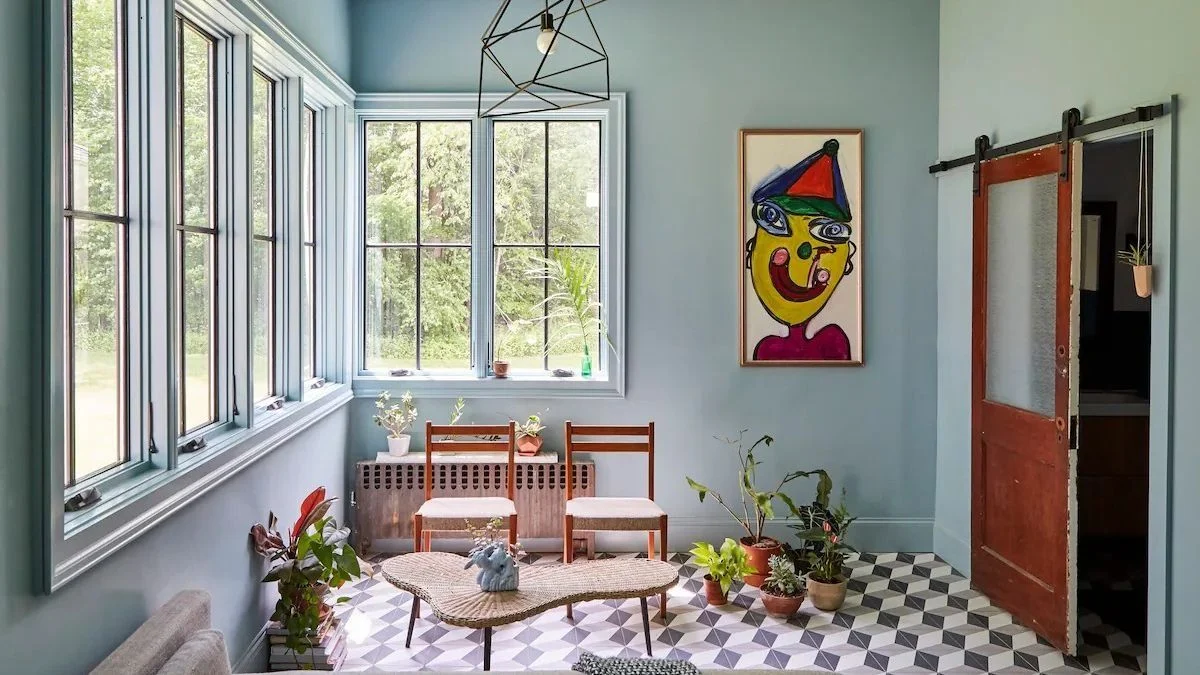
The landscape of American hospitality is undergoing a significant transformation as travelers increasingly prioritize architectural integrity and interior design over traditional hotel amenities. This shift has given rise to a new echelon of short-term rentals that serve not merely as lodging but as immersive galleries of design, ranging from Frank Lloyd Wright-designed masterpieces to avant-garde "Hobbitats" and sculptural A-frames. According to industry data from Airbnb, the "Design" category has become one of the platform’s most sought-after filters since its 2022 overhaul, reflecting a broader consumer desire for "architectural tourism." This movement emphasizes the "sense of place," where the structure itself dictates the tone of the travel experience.
The Evolution of Experiential Lodging in the United States
The transition from functional stays to design-centric experiences began in earnest during the mid-2010s, accelerated by the "Instagrammability" of unique structures. However, the current trend suggests a deeper appreciation for professional craftsmanship and historical preservation. Property owners are increasingly collaborating with renowned architecture firms and interior designers to curate spaces that blur the lines between private residences and high-concept boutiques. From the rugged coastlines of Maine to the arid canyons of Utah, these properties represent a cross-section of American architectural movements, including Midcentury Modernism, Usonian ideals, and contemporary sustainable minimalism.
Architectural Highlights: From Usonian Visions to Modernist Glass Houses
The portfolio of top-tier American Airbnbs is anchored by historically significant structures that were once inaccessible to the general public. In Michigan and Wisconsin, the legacy of Frank Lloyd Wright is preserved through the Goetsch-Winckler House and the Schwartz House. Built in 1940 and 1938 respectively, these homes represent Wright’s "Usonian" vision—a philosophy aimed at creating affordable, beautiful dwellings that exist in harmony with the native landscape. The Goetsch-Winckler House in Meridian Charter, Michigan, features original Wright-designed furniture and a single-level layout that utilizes natural materials to integrate the interior with the surrounding tree line. Similarly, the Schwartz House in Two Rivers, Wisconsin, showcases a 63-foot living room and trademark brickwork, offering guests a rare opportunity to live within a piece of architectural history.
In contrast to the organic warmth of Wright’s work, the "Modern Lakeside Oasis" in Sandpoint, Idaho, and the "Lakeview Home" in Crane Hill, Alabama, utilize glass and steel to frame the natural environment. These properties reflect the "Glass House" movement, where floor-to-ceiling windows act as living canvases. In Alabama’s Smith Lake region, the contemporary lake house utilizes blonde wood and nautical accents to create a space built for social gathering, while the Idaho retreat offers sweeping views of Lake Pend Oreille, emphasizing the restorative power of visual transparency.
The Rise of the Sculptural A-Frame and Tiny Home Movement
The A-frame, once a humble mid-century vacation staple, has been reimagined as a luxury architectural statement. Properties such as the "Garden Lane A-Frame" in Arkansas, the "Modern Luxury A-Frame" in Georgia, and the "Zion EcoCabin" in Utah demonstrate how geometric simplicity can be elevated through high-end materials and thoughtful placement. The Zion EcoCabin, located in Hildale, Utah, features a convertible window wall that opens the entire living space to the red rock cliffs of the surrounding desert. This integration of indoor and outdoor space is a hallmark of modern sustainable design.
In Warren, Vermont, a glass-clad tiny home further pushes the boundaries of the "less is more" philosophy. Despite its limited square footage, the property utilizes black steel framing and minimalist kitchens to ensure that the focus remains on the Green Mountains. This trend toward "luxe-minimalism" suggests that travelers are willing to trade space for high-quality design and environmental connectivity.
Urban Sophistication: Redefining City Stays
While remote retreats dominate the design category, urban centers like Chicago, Nashville, and New York are seeing a surge in "high-design" apartments and townhouses. The "Chic Penthouse Loft" in Chicago’s Fulton Market district preserves the industrial bones of the city—exposed brick, timber, and steel-framed windows—while layering in plush, modern decor. This juxtaposition of "hard" industrialism and "soft" luxury is a recurring theme in urban renovation.
In Brooklyn, New York, a professionally designed brownstone by Jarret Yoshida serves as a case study in color theory and curated art. By mixing midcentury, vintage, and antique furniture against bold, poppy-hued walls, the property moves away from the "gray-scale" minimalism often found in standard rentals, opting instead for a gallery-like atmosphere. Similarly, "The Josephine" in Nashville offers a faux-Parisian pied-à-terre aesthetic, using velvet upholstery and iridescent chandeliers to provide a sophisticated counterpoint to the city’s rustic music-row reputation.
Regional Diversity and the "Sense of Place"
A critical component of these high-performing Airbnbs is their adherence to regional architectural vernacular. The "Abiquiu Adobe" in New Mexico is a prime example, constructed in the traditional Santa Fe style with adobe bricks, stucco, and giant wooden beams. It sits on 12 acres in Georgia O’Keeffe’s native territory, utilizing thermal mass to regulate temperature without modern air conditioning—a nod to ancient sustainable practices.
In the South, properties like "The Monroe" in Charleston, South Carolina, and the "Rare Treme Jewel" in New Orleans, Louisiana, focus on historical restoration. These 19th-century homes preserve intricate woodwork and soaring ceilings while introducing contemporary bold touches, such as jewel-toned accents and locally sourced artwork. These stays provide a narrative of the city’s history, allowing guests to experience the evolution of Southern domestic architecture.
Supporting Data: The Economic Impact of Design
Market analysis indicates that design-centric properties outperform standard listings in both occupancy rates and average daily rates (ADR). A 2023 report on short-term rental trends noted that listings categorized under "Design" or "Unique Stays" often command a 25% to 40% premium over comparable listings in the same geographic area. Furthermore, these properties tend to have higher "wish-list" save rates, which Airbnb’s algorithms prioritize in search results.
The "wellness" sector of the rental market has also seen a boost from design. Properties like the "Nooq Mountain Chalet" in Montana and the "Mountain Retreat" in Virginia incorporate saunas, cold plunges, and hot tubs into their architectural floor plans, rather than adding them as afterthoughts. This integrated approach to wellness and architecture appeals to a demographic of travelers who view their accommodation as a primary component of their health and relaxation strategy.
Chronology of the Design-Driven Rental Market
- 2008–2012: The "Shared Economy" era. Airbnb focuses on affordability and the "couch-surfing" model.
- 2013–2017: The "Professionalization" era. Hosts begin to invest in professional photography and staging. The "A-frame" and "Tiny House" trends begin to surface on social media.
- 2018–2021: The "Experiential" era. High-end architects begin to see the value in the short-term rental market as a way to showcase prefab modules and sustainable builds.
- 2022–Present: The "Curation" era. Airbnb launches specific categories to highlight architectural merit. Properties like Frank Lloyd Wright’s homes become accessible for overnight stays, bridging the gap between museums and hospitality.
Broader Impact and Implications for the Future of Housing
The success of these design-minded Airbnbs has implications beyond the travel industry. It serves as a testing ground for innovative residential architecture. Prefabricated modules, such as the two-story unit in Lost City, West Virginia, demonstrate that high-quality design can be delivered efficiently and sustainably in remote locations. This could influence future residential developments as the demand for eco-friendly, aesthetically pleasing housing grows.
Furthermore, the "architectural forest retreat" in Olympia, Washington, and the "Zion EcoCabin" highlight a move toward "off-grid luxury," where technology (such as fast Wi-Fi and EV chargers) is integrated into remote, nature-focused structures. This allows for the rise of the "work-from-anywhere" professional who requires both inspiration and infrastructure.
Conclusion: The New Standard of American Travel
The best Airbnbs in the U.S. are no longer just places to sleep; they are destinations in their own right. By prioritizing architecture and interiors, these properties have created a new standard for what a "special" stay looks like. Whether it is a sculptural, freeform escape like "The Bloomhouse" in Austin or a historic estate reimagined with a contemporary edge, the common thread is an uncompromising commitment to great design. As travelers continue to seek out experiences that are both aesthetically inspiring and deeply rooted in their environment, the intersection of architecture and hospitality will likely remain one of the most vibrant sectors of the American economy.