Ronny Sianturi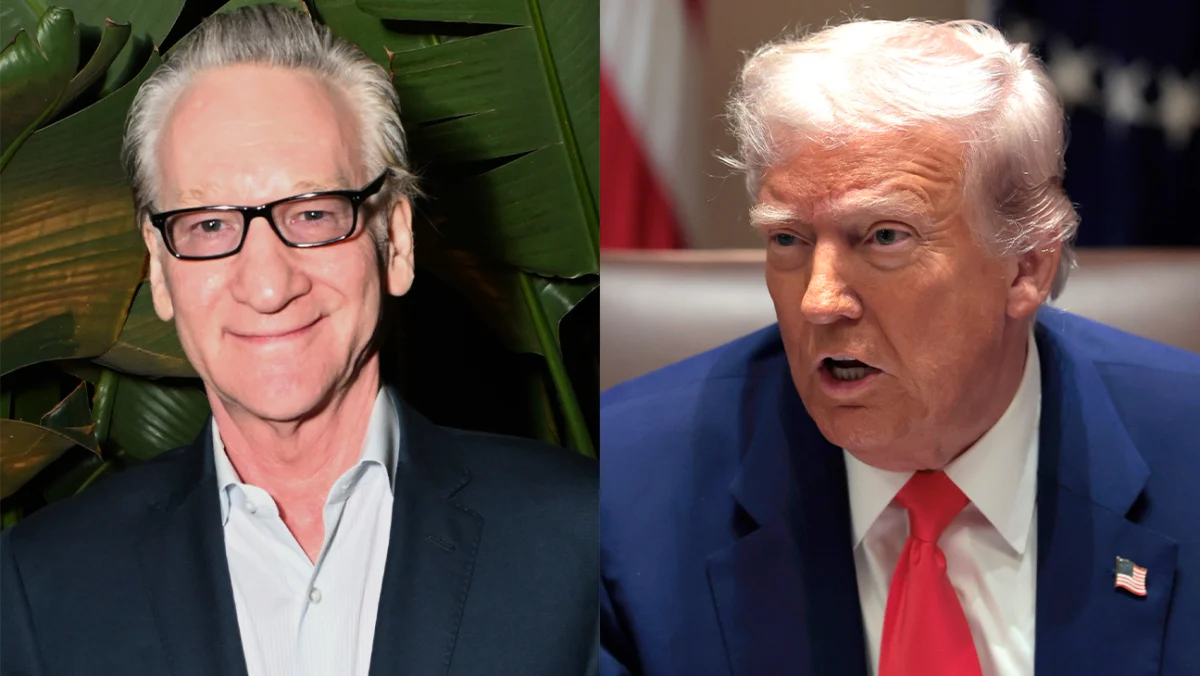
The ongoing exodus of musical artists from President Donald Trump’s planned Freedom 250 concert series, intended to celebrate the nation’s 250th anniversary, has become a subject of satirical commentary, most notably by comedian Bill Maher. During his Friday night monologue on HBO’s Real Time, Maher humorously dissected the growing list of performers who have publicly withdrawn from the event, highlighting the perceived challenges faced by the organizers in securing and retaining talent for the Trump administration-backed initiative. The situation underscores a broader trend of artists expressing reservations about participating in events associated with the current political climate, raising questions about the cultural resonance and potential impact of such patriotic celebrations.
The Unraveling Lineup: A Comedic Critique
Bill Maher, known for his sharp political and cultural observations, seized upon the Freedom 250 concert series as a prime target for his comedic critique. He began by sarcastically listing what he presented as the initial lineup, including names like Vanilla Ice, Milli Vanilli, Morris Day, and Bret Michaels. "I think this is very admirable about the president," Maher quipped, "it shows he’s concerned for the unemployed." His humor then shifted to the subsequent withdrawals, stating, "And then, after they announced this all-star lineup, a lot of them said, ‘No, what are you talking about? We’re not playing.’ That’s got to hurt a lot when you can’t close the deal with Milli Vanilli.” This jab at the famously lip-syncing duo aimed to underscore the perceived difficulty the concert organizers are having in assembling a credible and desirable roster of performers.
The essence of Maher’s commentary lies in the contrast between the ambitious nature of the Freedom 250 celebration and the apparent struggles in its execution, particularly concerning the musical component. By juxtaposing the celebratory intent with the unfolding disengagement of artists, he taps into a public narrative of the event facing significant hurdles, which are then amplified through the lens of humor.
Background of the Freedom 250 Initiative
The Freedom 250 is envisioned as a significant public-private partnership designed to commemorate the 250th anniversary of the United States, a milestone set to occur in 2026. The concert series, slated to run from June 25 to July 10, is planned to take place on the National Mall in Washington, D.C. This ambitious undertaking is backed by the Trump administration, aiming to foster a sense of national pride and unity through various cultural and celebratory events. The initiative is intended to be a broad-based celebration, encompassing historical retrospectives, patriotic displays, and, significantly, musical performances that reflect the diverse tapestry of American artistry.
However, the planning and execution of such large-scale patriotic events have often been complex, particularly when entwined with political administrations. Historically, presidential-backed celebrations have seen varying degrees of public and artistic engagement. The current political polarization in the United States has added a layer of complexity, making it challenging for any administration to rally broad, bipartisan support or universal artistic participation for events that could be perceived as partisan. The Freedom 250, in this context, is not merely a celebration of American history but also an event intrinsically linked to the current presidential term, thus inviting scrutiny and potentially influencing artistic decisions.
A Chronology of Departures
The unraveling of the Freedom 250 concert lineup has been a developing story, marked by a series of public announcements from artists and their representatives. The cascade of withdrawals began to gain significant traction in the days leading up to and following the initial announcements of performers.
Initial Lineup Announcement: The Freedom 250 organizers initially revealed a roster of artists intended to perform at the concert series. This announcement was met with both anticipation and, as it turned out, significant reservations from some of the listed musicians.
The First Wave of Withdrawals: Shortly after the lineup was made public, reports began to emerge of artists stepping away from the event. These early departures set a precedent and signaled potential underlying issues with the concert series.
Bret Michaels and The Commodores’ Public Statements: On Friday, both Bret Michaels, the lead singer of the band Poison, and The Commodores publicly announced their withdrawal from the Freedom 250 concert series. Michaels, in a detailed statement posted on his website, articulated his reasons for stepping back. He explained that the event, which was initially presented as a celebration of the country, had "evolved into something much more divisive than what I agreed to be a part of." Furthermore, Michaels cited concerns for the safety of his fans, band, crew, and himself, mentioning "threats that are completely unfounded and unforgivable." He emphasized that his decision was not about politics but about "staying true to what I’ve always believed in" and taking safety concerns seriously as a "father, friend and bandmate." The Commodores, while their specific reasons were not as extensively detailed in the original report, also joined the growing list of artists exiting the event.
Other Notable Departures: The list of artists withdrawing from the Freedom 250 extends beyond Michaels and The Commodores. Musicians such as Young MC, Morris Day, and Martina McBride have also publicly confirmed their decision to no longer participate. These departures collectively paint a picture of a significant challenge for the organizers in maintaining their advertised roster.
The Milli Vanilli Conundrum: Adding another layer of intrigue and, perhaps, humor to the situation, was the inclusion of Milli Vanilli on the initial lineup. Jodie Rocco, a member of the group, expressed her shock to the Associated Press, stating she was "shocked" to see the Milli Vanilli name on the list. This raised questions about the vetting process for the lineup and whether certain artists were aware of their inclusion or had indeed agreed to perform. Given Milli Vanilli’s history, their inclusion, whether by error or as a deliberate, albeit controversial, choice, further fueled the narrative surrounding the concert series’ disarray.
This chronological overview highlights a pattern of artists distancing themselves from the Freedom 250, often citing reasons related to the event’s perceived divisiveness, safety concerns, or a misalignment with their personal values and artistic integrity.
Supporting Data and Context of Artist Withdrawals
The phenomenon of artists withdrawing from politically charged events is not new, but the scale and context of the Freedom 250 withdrawals warrant examination. Several factors contribute to this trend:
-
Political Polarization: The current highly polarized political landscape in the United States means that association with any event, especially one directly linked to the President, can be perceived as a political endorsement. Many artists strive to maintain a broad appeal and avoid alienating segments of their fanbase, which can be a significant risk when participating in events tied to a specific administration. Data from public opinion polls consistently show deep partisan divides on various issues, making it challenging for any political figure or initiative to achieve universal public acceptance.
-
Artist Activism and Social Consciousness: A significant portion of the contemporary music industry has become increasingly vocal on social and political issues. Many artists actively engage in activism and use their platforms to advocate for causes they believe in. For these artists, participation in an event that they perceive as politically divisive or contrary to their values would be a direct contradiction of their public stance. Studies on the music industry have shown a growing trend of artists using their influence for social change, making them more selective about their public engagements.
-
Brand Management and Reputation: For artists and their management teams, brand management is crucial. Associating with controversial events can negatively impact an artist’s reputation, leading to potential loss of endorsements, decreased ticket sales, and damage to their public image. In an era where social media amplifies every public action, artists are often highly strategic about their appearances and associations.
-
The "Freedom 250" Branding: The name "Freedom 250" itself, while intended to be patriotic, could also be interpreted through various political lenses, especially in the current climate. Depending on an individual’s political perspective, the term "freedom" can evoke different meanings and associations. This ambiguity can lead to discomfort for artists who wish to remain neutral or avoid any perception of partisan alignment.
The collective decision of numerous artists to withdraw suggests that the perceived risks and ethical considerations associated with participating in the Freedom 250 concert series outweigh the potential benefits for them. This situation reflects a broader cultural moment where artistic expression is increasingly intertwined with political identity and social responsibility.
Official Responses and Rebuttals
While the original report focuses on the artists’ withdrawals and Bill Maher’s commentary, it is reasonable to infer that the organizers of the Freedom 250 concert series and the Trump administration would likely offer some form of response or attempt to manage the narrative surrounding these departures. Typically, in such situations, official statements might aim to:
-
Downplay the Significance of Withdrawals: Organizers might emphasize that the concert series will proceed as planned, with or without certain artists, and that a strong lineup will still be presented. They might highlight other artists who remain committed or mention that the event’s success is not solely dependent on a few individuals.
-
Attribute Withdrawals to Misunderstandings or External Pressures: It’s possible that organizers might suggest that artists withdrew due to misinformation about the event’s nature or because of pressure from external groups or political opponents. This would aim to deflect criticism from the event itself and place blame elsewhere.
-
Reiterate the Patriotic and Non-Partisan Intent: Officials might reiterate that the Freedom 250 is a celebration of American heritage and values, intended for all citizens, and not meant to be a partisan political rally. They might emphasize that the focus is on national unity and historical commemoration.
-
Address Safety Concerns Indirectly: Regarding safety concerns, organizers might issue statements assuring the public of comprehensive security measures in place for the event, without directly acknowledging or validating the specific threats mentioned by artists like Bret Michaels.
-
Engage with Media Critiques: While direct responses to comedic critiques like Maher’s are less common, there might be broader public relations efforts to counter negative media narratives and promote the event’s objectives.
Without explicit statements from the organizers in the provided text, these are logical projections of how such situations are typically managed in the public sphere. The silence from official channels, as presented, could also be interpreted as a strategy to avoid further amplifying the controversy.
Broader Impact and Implications
The ongoing saga of artist withdrawals from the Freedom 250 concert series carries several broader implications:
-
The Power of Artist Influence: The collective decision of numerous artists to disassociate from the event highlights the significant influence that musicians and entertainers wield in contemporary culture. Their choices can shape public perception and set a tone for national discourse. The ability of artists to publicly refuse participation underscores their agency and their role as cultural commentators.
-
Challenges for Politically Aligned Cultural Events: The difficulties encountered by the Freedom 250 concert series illustrate the challenges faced by any administration attempting to organize large-scale cultural events in a politically polarized environment. Such events risk being perceived as partisan rather than purely celebratory, alienating potential participants and audiences. This could lead to a future where politically aligned cultural initiatives struggle to gain widespread, apolitical support.
-
The Evolving Role of Entertainment in National Identity: The situation raises questions about how entertainment is being used to define and express national identity. As societal divisions deepen, events aiming for broad national unity through shared cultural experiences become more complex to execute. The Freedom 250 case suggests that a purely celebratory approach, without careful consideration of the prevailing political climate and the values of potential participants, may prove insufficient.
-
Media and Satire as Reflectors of Societal Sentiment: Bill Maher’s satirical take on the event serves as a barometer of public sentiment. His ability to find humor in the unfolding disarray reflects a portion of the public’s perception of the concert series as being poorly managed or facing significant challenges. This demonstrates the role of media, including comedic commentary, in reflecting and shaping public opinion on significant cultural and political events.
In conclusion, the Freedom 250 concert series, intended as a grand celebration of American independence, has become a focal point for artistic dissent and satirical commentary. The escalating number of artist withdrawals, coupled with public critiques, points to the complex intersection of politics, culture, and entertainment in contemporary America. The long-term impact of these developments on how national anniversaries are celebrated and how artists engage with politically charged events remains to be seen, but the current situation offers a compelling case study in the challenges of unifying a divided nation through shared cultural experiences.