Reynand Wu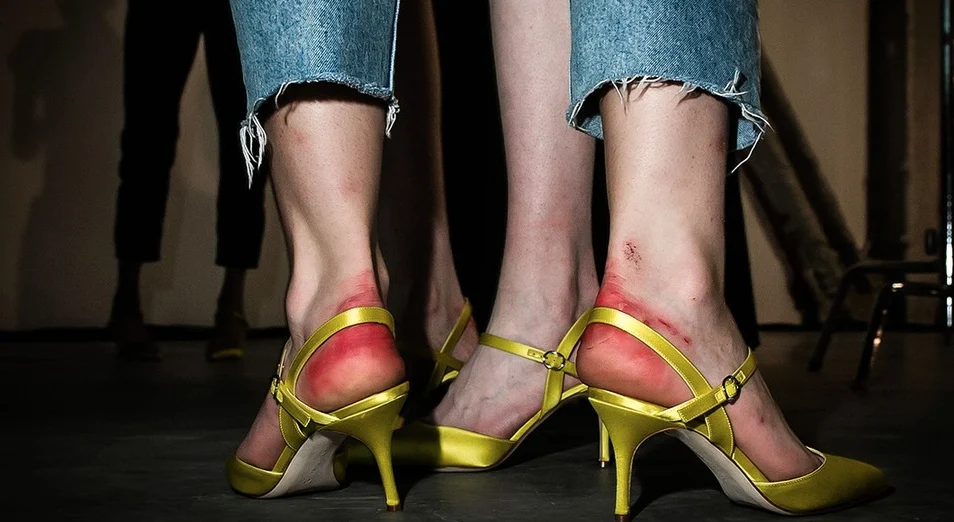
A recent photograph captured by Dina Litovsky, depicting a model’s visibly inflamed feet encased in slingback heels, has ignited a significant public discourse across social media platforms. The image, shared widely and garnering over 500,000 likes and numerous comments on platforms like Instagram, including reposts by prominent accounts such as National Geographic, has intensified scrutiny of the fashion industry’s demanding aesthetic standards and the physical toll exacted from its models. This incident is not an isolated one; it echoes a recurring pattern within the high-fashion world, bringing to the forefront long-standing concerns about the prioritization of artistic vision and commercial appeal over the well-being of those who embody these ideals.
A Recurring Narrative: A Chronology of Discomfort
The fashion industry has a documented history of presenting garments and footwear that, while visually striking, pose significant physical challenges to models. The 2012 Louis Vuitton show in Paris, for instance, drew considerable media attention when photographs circulated showing models’ feet that were battered, bruised, and swollen after enduring the runway. These images, much like Litovsky’s recent photo, served as stark reminders of the often-unseen sacrifices made in the pursuit of high fashion’s avant-garde.
Historically, fashion has frequently pushed the boundaries of human comfort and natural form. From the restrictive corsets of the Victorian era to the gravity-defying heels of contemporary runways, the concept of "beauty is pain" has permeated cultural ideals. While societal norms have evolved, the underlying pressure to conform to often-unrealistic aesthetic standards persists, particularly within the competitive and visually driven world of modeling. The rapid dissemination capabilities of modern social media, however, have fundamentally altered how these incidents are perceived and debated, transforming what might once have been confined to industry whispers into global conversations.
The Anatomy of a Runway: Demands on Aesthetic Laborers
Models, often lauded for their ethereal appearance and ability to embody diverse artistic visions, function as critical "aesthetic laborers" within a multi-billion-dollar global industry. The role demands not only physical attributes but also an extraordinary capacity for endurance, adaptability, and unwavering professionalism. The industry frequently praises models for their ability to sustain long hours, execute intricate poses—some overtly contortionist, others subtly uncomfortable—and navigate complex runway designs, often in footwear or garments that challenge basic ergonomics.
This expectation of endurance is deeply embedded in the professional culture of modeling. Models, particularly those early in their careers or lacking significant industry prestige, face implicit and explicit pressures to comply with demands, even when they involve discomfort or potential harm. Refusal to wear a particular item, such as an "outrageous" pair of shoes, can carry significant repercussions, potentially leading to being labeled "unprofessional," damaging their reputation, or even impacting future booking opportunities. This power dynamic underscores a toxic aspect of professional status, where one’s "value" is measured by a willingness to tolerate pain and suppress personal well-being for the sake of an image.
Behind the Seams: The Mechanics of High Fashion
High fashion, with its seasonal cycles and intense competition, thrives on innovation and spectacle. Designers are under immense pressure to create collections that are not only commercially viable but also conceptually groundbreaking and visually memorable. Footwear, in particular, often serves as a key element in defining a collection’s aesthetic and making a bold statement. Exaggerated heels, unconventional materials, and challenging designs are frequently employed to create a dramatic silhouette or convey a specific artistic narrative.
The creative process, however, sometimes overlooks the practicalities of human movement and comfort. While some designers meticulously craft wearable art, others prioritize form over function, viewing the model as a living sculpture whose primary role is to showcase the garment, regardless of the physical strain. The immense financial stakes involved in fashion week shows, which can cost millions to produce and generate billions in sales and brand visibility, further amplify the pressure to deliver an unforgettable spectacle, often at the expense of model welfare. This dynamic highlights a systemic issue where the perceived artistic integrity or commercial impact of a design can overshadow ethical considerations regarding the well-being of the individuals presenting it.
The Sociological Lens: Pricing Beauty and Optimization Culture
The "beauty is pain" adage, widely accepted within and beyond the fashion industry, is more than a mere phrase; it reflects deep-seated cultural norms. Sociologist Ashley Mears, in her ethnography Pricing Beauty, meticulously dissects how these ideals become prescriptive, shaping cultural expectations of appearance and behavior. Mears argues that the modeling industry commodifies the personhood of models, transforming them into "aesthetic laborers" whose bodies are instruments for conveying cultural ideals related to gender, race, class, and sexual identity. While seemingly empowering through its exclusivity and idealism, the high fashion industry often subjects models to grueling and isolating work conditions, where their agency is often curtailed.
This phenomenon extends beyond the runway into broader societal practices, particularly for women. Jia Tolentino, in her essay "Always Be Optimizing," brilliantly connects the pursuit of pain and suffering to the contemporary culture of self-optimization. Through her research and personal experiences with intense fitness regimens like Pilates and barre workouts, Tolentino reveals how gendered beauty ideals have morphed into a relentless pursuit of physical perfection, often masked as "self-care." The painful practices involved in achieving a "toned and sculpted body" are reframed as empowering choices, creating an illusion of agency. Phrases like "look good, feel good" and the pervasive belief that "beauty is pain" serve to justify the physical discomfort and financial investment in these optimization practices. Shoes, in this context, become more than mere accessories; they are powerful symbols and vehicles for upholding deeply ingrained gendered cultural expectations and ideals, often at the cost of genuine well-being.
Health and Wellness: The Silent Toll
The physical demands placed on models can lead to a range of health issues, both immediate and chronic. Beyond the visible bruising and inflammation highlighted by viral photos, models frequently contend with foot deformities, musculoskeletal problems, and chronic pain stemming from prolonged periods in ill-fitting or extreme footwear. The psychological toll is equally significant. The constant pressure to maintain an idealized physique, coupled with grueling schedules, lack of control over their work environment, and the public scrutiny amplified by social media, can contribute to stress, anxiety, eating disorders, and other mental health challenges.
While precise statistics on model injuries related to footwear are difficult to compile comprehensively across the global industry, anecdotal evidence and medical observations confirm a pattern of recurring issues. Podiatrists frequently caution against the long-term use of high heels, citing risks of bunions, hammertoes, nerve damage, and lower back pain. For models, who may spend hours or even days in such footwear during fittings, shoots, and shows, these risks are exponentially amplified. The industry’s focus on aesthetic outcomes often overshadows proactive measures for physical and mental health support, leading to a reactive approach once issues become critical.
The Digital Echo Chamber: Social Media’s Amplifying Role
The advent of social media has irrevocably altered the dynamic between the fashion industry and its audience. Platforms like Instagram, Twitter, and TikTok have become powerful conduits for both promotion and critique. A single image, like Dina Litovsky’s, can instantly bypass traditional media filters, reaching millions globally within hours. This unprecedented reach gives consumers and advocates a direct voice, enabling collective outrage, sparking widespread debate, and applying significant pressure on brands and designers.
The viral nature of these images means that issues previously discussed in niche forums or behind closed doors are now front-page news for a global, digitally connected audience. This heightened visibility forces brands to confront the ethical implications of their practices more directly. While social media can be a double-edged sword, also contributing to the pressure on individuals to conform to beauty standards, its role in shedding light on exploitative or unhealthy industry practices is undeniable. It provides a platform for models, stylists, and consumers to share their experiences and demand greater accountability and transparency.
Industry Dialogue and Calls for Change
In response to growing public scrutiny and internal advocacy, there have been some nascent efforts within the fashion industry to address model welfare. Initiatives by organizations such as the Model Alliance in New York have sought to establish better working conditions, advocate for fair compensation, and promote mental health support for models. Some fashion houses and designers have begun to incorporate more practical and comfortable footwear into their collections, or at least offer alternatives during fittings and rehearsals.
However, these changes are often incremental and inconsistent across the vast and fragmented industry. The allure of the avant-garde and the competitive drive for viral moments continue to exert significant influence. While some designers might express concern, the fundamental pressure to innovate and create visually arresting collections remains paramount. The challenge lies in striking a balance between artistic expression and ethical responsibility, ensuring that the pursuit of beauty does not come at an unacceptable human cost. Continued dialogue, transparent reporting, and stronger advocacy from within and outside the industry will be crucial for fostering lasting change.
Beyond the Catwalk: Societal Implications
The viral images of models’ injured feet are more than just snapshots of an industry’s excesses; they are powerful cultural artifacts that provoke broader societal reflection. They underscore how deeply ingrained the "beauty is pain" narrative is, not just in high fashion, but in everyday life. The extreme examples on the runway serve as a magnified reflection of the subtle and overt pressures individuals, particularly women, face to conform to often-unrealistic beauty standards.
These incidents compel a re-evaluation of what constitutes "professionalism" and "beauty." They challenge consumers to question the origins of the ideals they aspire to and the products they consume. As the global fashion industry continues to evolve, propelled by digital innovation and shifting consumer values, the conversation around ethical practices, model welfare, and the true cost of beauty will only intensify. The viral photos are not just about shoes or models; they are about the enduring tension between aesthetic aspiration and human well-being, prompting a collective re-assessment of the values we prioritize in our pursuit of idealized appearances.