
 Ronny Sianturi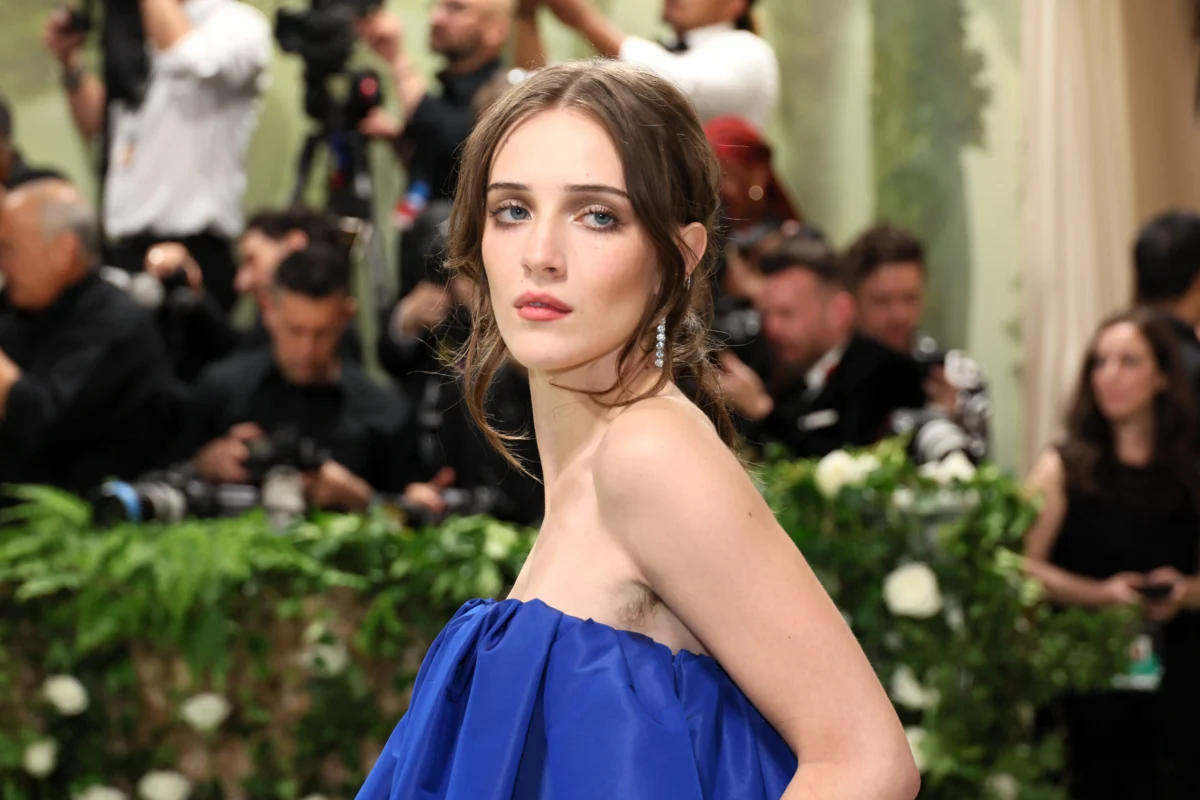
The cast for Sony Pictures’ highly anticipated biographical drama chronicling the life and legendary career of Hollywood icon Fred Astaire continues to expand with formidable talent. Rising star Talia Ryder has officially joined the ensemble, bringing her extensive background as a classically trained dancer to the prestigious project. Ryder is slated to portray June Allyson, the celebrated Metro-Goldwyn-Mayer actress and dancer who was originally slated to star opposite Astaire in the iconic 1951 musical film Royal Wedding.
Ryder joins a burgeoning cast already anchored by Tom Holland, who is stepping into the daunting tap shoes of Fred Astaire himself. The star-studded lineup further features Margaret Qualley as Adele Astaire, Fred’s older sister and early Broadway partner, and pop sensation-turned-actor Sabrina Carpenter, who has been cast as the effervescent Ginger Rogers, Astaire’s most frequent and celebrated silver screen co-star.
Behind the camera, the production boasts an equally impressive pedigree. Paul King, widely acclaimed for his universally adored work on the Paddington franchise and Warner Bros.’ recent whimsical hit Wonka, is set to direct the feature. King also co-wrote the screenplay alongside Tony Award-winning writer Steven Levenson. The narrative is adapted from Kathleen Riley’s critically acclaimed biographical work, The Astaires: Fred & Adele, which delves deep into the familial bond, rigorous work ethic, and professional evolution of the legendary sibling duo who conquered both Broadway and London’s West End before transitioning to cinematic royalty.
The production engine driving the film is equally robust. Amy Pascal and Rachel O’Connor are producing the picture under their Pascal Pictures banner. They are joined by Ben Holden and Josh Hyams representing Lightbulb Pictures, alongside leading man Tom Holland producing via his Billy17 production company. Crucially, the biographical project has secured the official backing and cooperation of the Astaire family. Ava Astaire McKenzie, Fred Astaire’s daughter, has thrown her support behind the film, while her son, Tyler McKenzie, remains actively involved as a consultant and co-producer, ensuring that the depiction of his grandfather remains authentic, respectful, and grounded in familial truth.
A Legacy of Golden Age Glamour and Dance Excellence
The cultural footprint of Fred Astaire remains towering within the cinematic landscape. Alongside his foundational partnership with Ginger Rogers across ten iconic RKO musical comedies—including Top Hat, Swing Time, and Shall We Dance—Astaire redefined how dance was captured on film. Eschewing the heavily edited, fast-paced fragmentation common in earlier cinematic choreography, Astaire famously insisted that camera angles remain wide and stationary, allowing audiences to witness full-body movement without interruption. His relentless perfectionism, elegance, and groundbreaking integration of song and dance into narrative storytelling set an unyielding standard for the genre.
By incorporating characters such as Adele Astaire, Ginger Rogers, and June Allyson, the upcoming Sony Pictures biopic promises to offer a comprehensive exploration of the era’s ecosystem. Adele and Fred formed a peerless vaudeville and Broadway act from childhood into adulthood, dazzling audiences with their sophisticated routines until Adele’s retirement in 1931 following her marriage to Lord Charles Cavendish. Meanwhile, June Allyson represents the later studio-system era of MGM musicals, where stars were under strict multi-picture contracts and participated in a tightly controlled factory of dream-making.
Chronology of Production and Development
Discussions surrounding a definitive Fred Astaire cinematic project have circulated within Hollywood for years, reflecting the enduring appeal of the Golden Age of Hollywood. Momentum for the current Sony iteration accelerated as high-profile creative forces aligned behind the scenes.
The project officially gained substantial traction when Tom Holland signed on to lead the feature, signaling a return to his performance roots—Holland famously began his career on the West End stage playing the title role in Billy Elliot the Musical. The subsequent attachments of Paul King as director and Steven Levenson as screenwriter solidified the artistic vision of the film, blending King’s proven capacity for heartfelt, family-friendly spectacle with Levenson’s razor-sharp dramatic structuring.
Casting announcements have steadily rolled out over recent months, beginning with the high-profile additions of Margaret Qualley and Sabrina Carpenter. Qualley, an accomplished dancer herself who previously starred in FX’s Fosse/Verdon, brings profound technical mastery to the role of Adele. Carpenter adds contemporary star power and musical expertise to the recreation of Rogers and Astaire’s legendary creative partnership. The integration of Talia Ryder into the cast further anchors the production in genuine dance credentials, bridging the gap between classical Hollywood history and modern cinematic talent.
Examining Talia Ryder’s Diverse Artistic Pedigree
Talia Ryder’s casting is uniquely suited to the physical demands of a Golden Age musical biopic. Unlike many contemporary actors who must learn choreography specifically for a role, Ryder possesses a deeply rooted, professional dance background. Her career notably commenced on Broadway, where she originated and performed the role of Hortense in the Royal Shakespeare Company’s production of Matilda the Musical.
Following her early stage success, Ryder transitioned seamlessly into feature films, scoring a breakout critical triumph with her role in the acclaimed Sundance independent drama Never Rarely Sometimes Always, directed by Eliza Hittman. Her ability to navigate complex, dramatic material alongside physically demanding performance styles quickly established her as one of her generation’s most versatile performers.
Her dance training came to the forefront when she appeared in Steven Spielberg’s grand-scale adaptation of West Side Story as a member of the Jets chorus line. Furthermore, Ryder recently collaborated with Margaret Qualley in Ethan Coen’s idiosyncratic feature Honey Don’t, establishing an existing on-screen and professional rapport between two of the biopic’s principal actors.
With representation spanning UTA, LBI, and Vainshtein Law, Ryder’s career trajectory points toward massive commercial and critical visibility. Alongside her upcoming role in the Fred Astaire biopic, her immediate slate includes Amazon MGM’s adaptation 4 Kids Walk Into A Bank and a prominent role in the highly anticipated second season of Amazon Prime’s hit spy series Mr. & Mrs. Smith.
Strategic Implications for the Modern Hollywood Musical
The greenlighting and aggressive development of a major, studio-backed Fred Astaire biopic signify a fascinating pivot in contemporary Hollywood intellectual property strategy. While cinematic adaptations of Broadway musicals and original jukebox films have experienced fluctuating box-office fortunes in recent years, biographical dramas focusing on mid-century cultural icons continue to command significant awards attention and demographic reach.
By assembling a creative team known for emotional resonance—most notably director Paul King—Sony Pictures is deliberately steering the project away from dry, encyclopedic hagiography. Instead, the production aims to capture the emotional highs and rigorous pressures of early twentieth-century performance culture. The involvement of the Astaire family further shields the project from common criticisms regarding unauthorized biographical adaptations, ensuring an unprecedented level of archival access and narrative authenticity.
Furthermore, casting actors with genuine, demonstrable dance backgrounds—such as Holland, Qualley, and Ryder—mitigates the stylistic limitations that have historically plagued Hollywood dance films, where directors must rely on close-ups and stunt doubles to simulate professional choreography. By casting performers capable of executing authentic, uninterrupted routines, the film positions itself as a technical showcase as well as a narrative drama.
As production preparations continue under the stewardship of Pascal Pictures and Lightbulb Pictures, industry analysts will closely monitor further casting announcements and potential release date allocations. The convergence of top-tier theatrical talent, familial endorsement, and a revered historical subject matter ensures that Sony’s Fred Astaire project will remain one of the most closely watched and eagerly anticipated motion pictures on the upcoming release calendar.








