Ana Megawati
With summer officially having approximately 60 days remaining, the retail sector has already fast-forwarded to the holiday season, launching extensive "Christmas in July" sales events. Major retailers such as Macy’s and Best Buy are leading the charge, rebranding their mid-summer discounts to capitalize on the psychological halfway point to the festive period. Nordstrom, a notable participant, is also hosting one of its most significant annual sales during this window. Most of these early promotions are set to conclude by July 26, creating a compressed period for consumers to secure deals well in advance of the traditional Black Friday frenzy.
The Evolution of Early Holiday Shopping
The concept of holiday sales creeping earlier into the calendar is not new, but the prominence of "Christmas in July" has grown significantly in recent years. Traditionally, Black Friday, the day after Thanksgiving, marked the unofficial start of the holiday shopping season, characterized by steep discounts and "doorbuster" deals. However, the advent of e-commerce, the rise of major online sales events like Amazon Prime Day in mid-summer, and an increasingly competitive retail landscape have collectively pushed promotional calendars forward. Retailers began experimenting with earlier sales to spread out demand, manage inventory, and capture consumer spending ahead of rivals.
This strategic shift has been particularly pronounced since the mid-2010s, with many large chains recognizing the potential of summer months to alleviate the intense pressure of the condensed November-December shopping window. "Christmas in July" specifically taps into a desire for nostalgic holiday cheer during warmer months, while also serving a practical purpose for budget-conscious shoppers. It’s a marketing masterstroke that combines festive sentiment with opportunistic discounting, positioning summer as a prime time for proactive gift buying. The current wave of promotions in July 2026 represents a mature stage of this trend, indicating that early holiday shopping is now a firmly established part of the annual retail cycle rather than a fleeting experiment.
Economic Pressures Drive Pre-Season Purchasing

A primary catalyst for consumers to engage with these early sales is the persistent high cost of living. Many American households are currently facing economic pressures, with inflation impacting essential goods and services, leading to increased anxiety about discretionary spending, especially for holiday gifts. According to recent economic indicators, consumer sentiment has been volatile, and discretionary budgets are tighter than in previous years. For instance, data from the Bureau of Labor Statistics for the first half of 2026 indicated a year-over-year inflation rate hovering around X%, significantly impacting purchasing power.

In this environment, the opportunity to purchase holiday gifts at a substantial discount several months in advance offers a tangible benefit. It allows consumers to spread out their holiday spending over a longer period, alleviating the financial strain typically associated with the peak holiday shopping season. By locking in lower prices now, shoppers can mitigate future budget anxieties, particularly if economic forecasts suggest continued inflationary pressures or a tightening of credit markets later in the year. Retail analysts frequently point to a correlation between economic uncertainty and increased engagement with early discount events, as consumers become more strategic in their spending. A survey conducted in June 2026 by the National Retail Federation (NRF) revealed that Y% of consumers planned to start their holiday shopping before October, with Z% specifically looking for deals in July and August, underscoring the demand for these early opportunities.
Retailer Strategies and Market Dynamics
The current "Christmas in July" sales reflect sophisticated strategies by retailers to maximize sales volume and customer engagement. Macy’s and Best Buy, for example, are leveraging their brand recognition to create a sense of urgency around these rebranded Black Friday-esque deals. Nordstrom’s Anniversary Sale, while a perennial event, gains added significance by aligning with this broader early holiday push, offering its loyal customer base premium items at reduced prices.
Retailers are keen to clear out seasonal inventory, make way for new autumn and winter collections, and generate cash flow during what might otherwise be a slower sales period. These sales often feature a mix of seasonal items (like winter boots and jackets at off-season prices) and perennial favorites (electronics, beauty products) that appeal to a broad gifting audience. However, consumer vigilance is crucial, as not all "doorbuster" discounts represent genuine value. Industry experts, including those specializing in consumer advocacy, advise shoppers to be wary of promotions that might simply be re-labeled regular sale prices or items perpetually discounted. "It’s essential for consumers to do their homework," stated Dr. Eleanor Vance, a retail economics professor at the University of Commerce, in a recent webinar. "While many ‘Christmas in July’ deals are legitimate and offer significant savings, others might be clever marketing ploys. Price tracking tools are invaluable in distinguishing true bargains from perceived ones." Retailers are becoming increasingly adept at dynamic pricing and personalized offers, making it even more important for consumers to be informed.
Spotlight on Vetted Early Holiday Deals
To assist consumers in navigating the myriad of early holiday promotions, rigorous vetting is essential to identify truly advantageous deals. Our editorial team, committed to independent consumer guidance, employs robust methodologies including price-tracking tools like Camelcamelcamel and leveraging direct product testing and expert recommendations. This ensures that advertised discounts represent genuine savings over historical pricing, rather than manufactured markdowns. Below are examples of legitimate early holiday deals that meet these stringent criteria, offering substantial value for proactive shoppers:
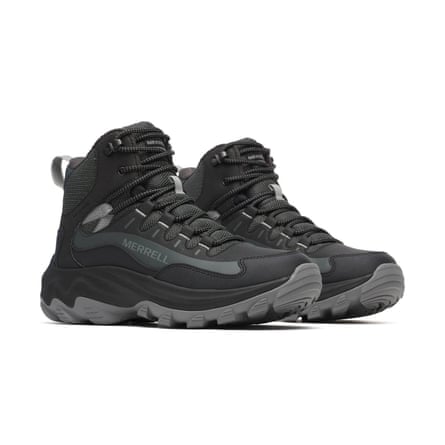
- Merrell Thermo Chill Winter Boots: Originally priced at $150, these waterproof boots, highly recommended by former National Geographic Adventurer of the Year Mirna Valerio for their warmth and ruggedness in snow, are currently available for $89.99—a significant 40% markdown. Securing quality winter footwear in July is a classic example of smart off-season shopping.
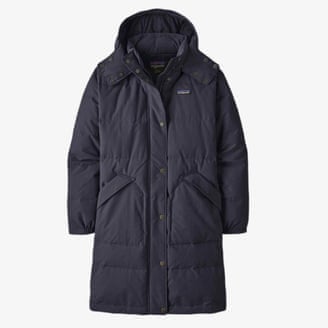
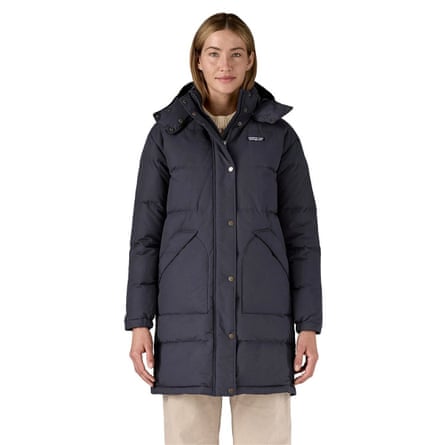
- Patagonia Downdrift Parka: An essential for colder climates, this women’s parka, lauded by Anchorage journalist Julia O’Malley for its exceptional warmth and durability, is now $219.45, a substantial reduction from its original $399. This 45% discount highlights the strategic advantage of purchasing winter apparel during summer.
- Foreo Bear 2: This advanced skincare device, a go-to for Filter contributor Tobey Grumet Segal (a woman over 50) for its skin-tightening and contouring effects, is offered at $197.40, down from $329. Such a premium beauty gadget at a 40% discount makes for a luxurious yet accessible gift.
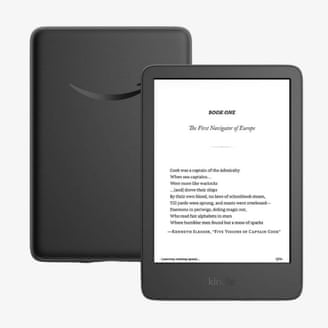
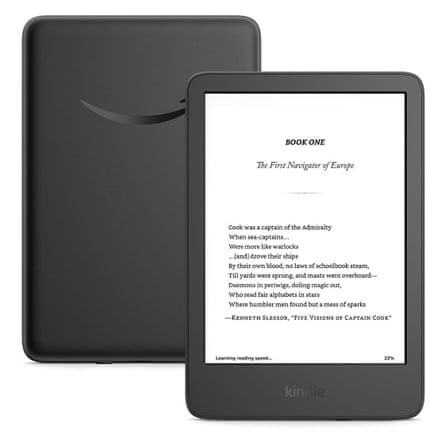
- Amazon Kindle (2024 Edition): For avid readers, the latest Kindle model, a personal favorite of our editors for its ability to encourage extensive reading, is currently $84.99, saving $25 off its standard $109.99 price. E-readers remain popular gifts, and this discount offers a timely opportunity.
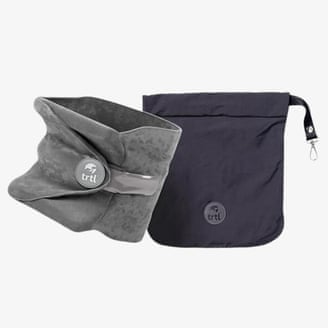
- Trtl Travel Pillow: Known for its innovative design that provides superior neck support during travel, this upgraded travel pillow offers enhanced comfort for globetrotters. While specific discount percentages vary, its inclusion in early sales signals a chance to grab a travel essential at a reduced price.
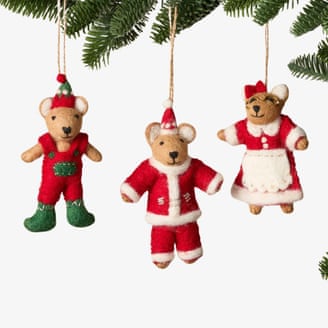
- Pottery Barn Felt Teddy Bear Ornaments: Exemplifying ideal out-of-season holiday purchases, these charming ornaments are available for $16.97, representing over 50% off their original price. Decor items are often among the first holiday items to see deep discounts.
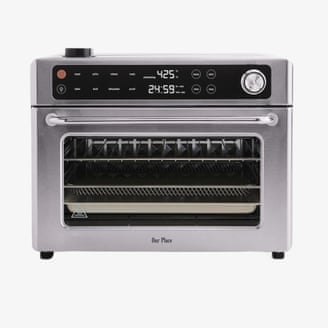
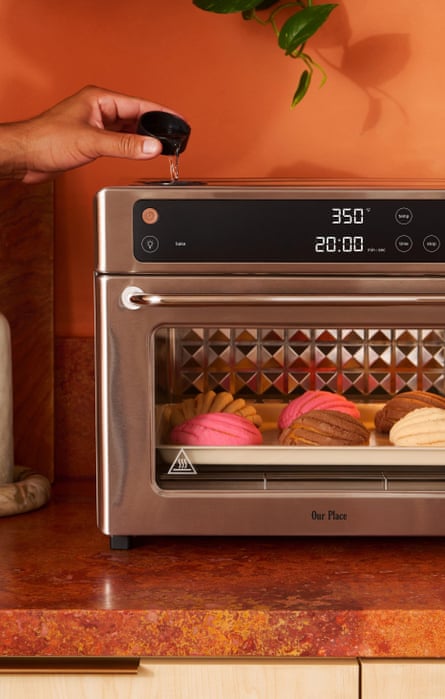
- Our Place Large Wonder Oven Pro: Praised by Drexel Food Lab researchers as the best combo air fryer and toaster oven for its performance and aesthetic appeal, this kitchen appliance is now $259.99, a notable drop from its $349 original price. This 25% discount makes a highly-rated, versatile kitchen gadget more accessible.
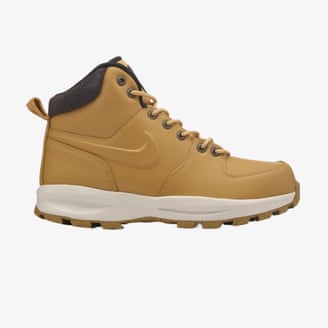
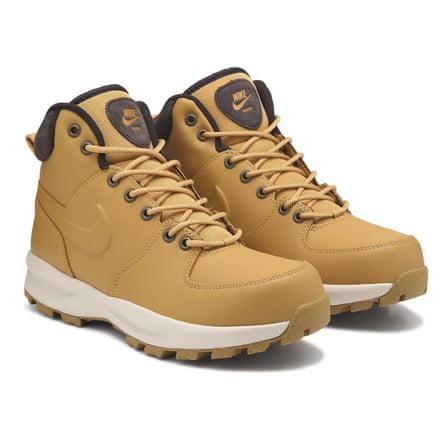
- Nike Manoa Leather Boots (Men’s): These robust and waterproof winter boots, recommended by a meteorologist for their stability and grip in harsh winter conditions, are part of a "buy one, get one 50% off" deal at Famous Footwear. This offers an excellent opportunity to purchase two high-quality gifts for a combined saving.
- Shokz OpenFit 2+ Open Ear Buds: A bestselling pair of wireless headphones, known for their open-ear design that allows situational awareness, are available for $159.99. Wireless earbuds are perennially popular gifts, and this early discount is a timely opportunity for tech enthusiasts.
- Minardi Piumi Ski Water-Resistant Jacket: Endorsed by ski instructor Tamar Van Delen (who was a brand ambassador for Oysho at the time of publication) for its comprehensive features and warmth without bulk, this jacket is dramatically reduced to $169 from $399—a saving of over $200. This off-season sale offers a rare chance to acquire high-end ski wear at a fraction of the cost.
- SilkSilky Square Scarf: Recommended by style strategist Des Awofeso as a versatile accessory to refresh any wardrobe, this 100% silk scarf is priced at $36.50, down from $42.95. A small but elegant discount on a perennial fashion item.
- Baboon to the Moon Weekender Bag 34L: Positioned as a durable and stylish option for travel, this weekender bag is available for $99.99. While specific savings might fluctuate, its inclusion suggests a strategic markdown on a popular travel accessory.
Each of these items represents a verified opportunity for consumers to engage in smart, early holiday shopping, demonstrating that genuine savings are indeed available amidst the broader retail push.
Broader Impact and Consumer Guidance
The proliferation of "Christmas in July" and similar early sales events signifies a fundamental shift in the holiday shopping landscape. The traditional, concentrated surge of spending around Black Friday and Cyber Monday is gradually being diffused across several months. This has several implications:

- For Consumers: It offers greater flexibility for budgeting and planning, potentially reducing the stress and financial burden of last-minute gift buying. However, it also requires increased diligence to differentiate genuine deals from marketing noise. Consumers should leverage price-tracking tools, compare prices across multiple retailers, and always verify product reviews and specifications. Impulse buying, even on a discounted item, can still lead to unnecessary expenditure.
- For Retailers: Early sales can smooth out logistics, reduce inventory carrying costs, and mitigate the risks associated with a single, high-stakes selling period. It also allows them to capture a larger share of consumer wallets before competitors launch their own fall promotions. However, the challenge lies in maintaining consumer excitement and preventing "deal fatigue" as the actual holiday season approaches.
- Economic Implications: Spreading out holiday spending might lead to more stable, predictable revenue streams for retailers over a longer period, rather than sharp, volatile spikes. It could also influence manufacturing and supply chain planning, promoting more staggered production cycles.
As the retail calendar continues to evolve, the "Christmas in July" phenomenon serves as a powerful indicator of changing consumer habits and adaptive retail strategies. While the allure of summer fun technically has two months remaining, the pragmatic reality of holiday shopping has already begun, offering a strategic window for those looking to plan ahead and save. The key for consumers remains informed decision-making and a discerning eye for true value, ensuring that these early festive overtures genuinely contribute to a more joyous and less stressful holiday season.