Reynand Wu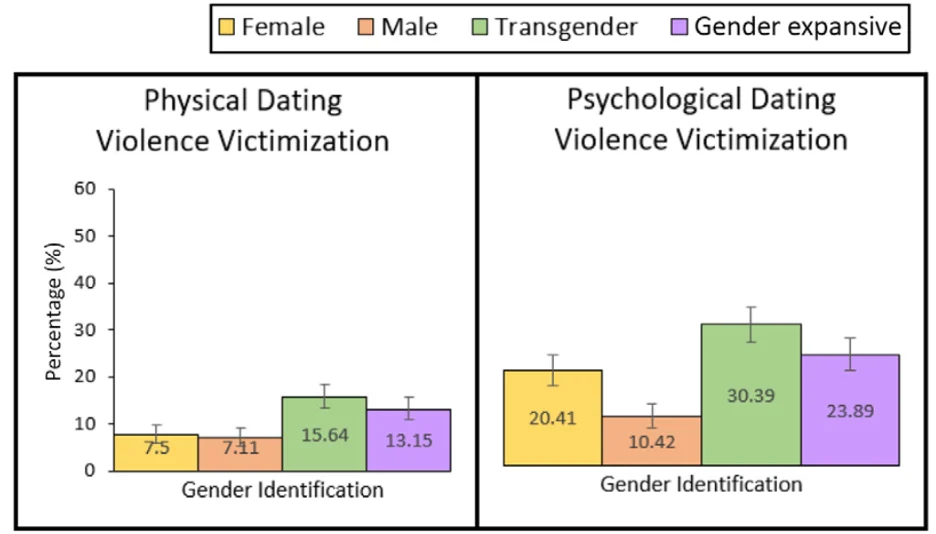
Sociological examinations of contemporary dating phenomena, including the pervasive "hookup culture" and the evolving landscape of romantic engagement, frequently fall short by overlooking the nuanced realities faced by transgender individuals. This oversight is compounded by an often-narrow focus on collegiate environments, neglecting the widespread adoption of dating applications across diverse age demographics and social strata. A comprehensive understanding of modern intimacy necessitates a deliberate centering of trans experiences, which are marked by unique vulnerabilities and systemic challenges often invisible in mainstream discourse.
The urgency of this focus is underscored by alarming statistics concerning violence. A landmark 2021 study, published in Pediatrics, revealed that transgender youth are twice as likely as cisgender women to endure physical dating violence and fifty percent more likely to experience psychological dating violence. These figures paint a stark picture of the heightened risks trans individuals confront when seeking connection. Beyond physical harm, the emotional and psychological toll is profound. A subsequent 2023 study delved deeper into common experiences, identifying fetishization and the constant burden of confronting preconceived notions about trans identity as prevalent themes. One participant, a trans woman, articulated this frustration, stating, "Because I’m a trans woman, people instantly assume that I must be this massive bottom." Similarly, a trans man recounted feeling invisible to potential partners, observing, "I just felt like they weren’t talking to me. They were talking to an idea they had about me." This illustrates a pervasive dehumanization, where individuals are reduced to stereotypes rather than being recognized for their authentic selves.
The Evolving Landscape of Modern Dating and Trans Experiences
The advent of dating applications has fundamentally reshaped how individuals meet and interact, expanding social circles and offering new avenues for romantic and sexual exploration. While these platforms promise greater access and choice, they simultaneously introduce a complex array of challenges for transgender users. For many, these apps represent a vital gateway to connection, especially for those in rural areas or with limited in-person social opportunities. However, the digital realm also becomes a new frontier for discrimination, harassment, and the manifestation of societal prejudices. The anonymous or semi-anonymous nature of online interactions can embolden individuals to express transphobic sentiments, engage in fetishistic behavior, or even pose direct threats.
Historically, LGBTQ+ individuals have navigated a dating landscape fraught with societal stigma, legal discrimination, and the ever-present threat of violence. For transgender people, this history is particularly acute, marked by medical gatekeeping, lack of legal recognition, and widespread misinformation. The increased visibility of trans individuals in media and public discourse in recent years, while a positive step towards recognition, has also paradoxically fueled an alarming backlash, leading to a surge in anti-trans legislation and hate crimes across various countries. This sociopolitical climate directly impacts the personal safety and mental well-being of trans individuals, casting a long shadow over their dating lives. Every encounter, particularly with strangers met online, carries an implicit risk assessment that cisgender individuals rarely have to consider.
The Perilous Path of Disclosure
A significant aspect of dating for transgender individuals revolves around the decision to disclose their trans identity to prospective partners. Research highlights this as a critical, often fraught, moment. A study published in Proceedings of the ACM on Human-Computer Interaction examined trans people’s strategies for identity disclosure on dating apps. Most participants opted for proactive and explicit disclosure, driven primarily by profound concerns about personal safety and the potential for violence. One genderfluid participant, residing in a rural area, articulated this stark reality when meeting someone face-to-face from a dating app: "that person could be the person that kills me." This chilling statement underscores the life-or-death stakes involved in what for many is a casual pursuit of companionship.
Conversely, some individuals employ "softer disclosure methods," subtly integrating facets of their identity into their profiles, such as showcasing diverse interests or presenting themselves in ways that implicitly convey their gender identity, particularly on platforms allowing multiple profile pictures. This approach attempts to vet potential partners for openness and acceptance without immediately putting themselves at risk, offering a degree of control over the narrative. However, even these methods carry inherent risks, as non-explicit disclosure can lead to misunderstandings, accusations of deception, and, in worst-case scenarios, violent reactions from partners who feel misled – a situation sometimes exploited by the "trans panic defense." The emotional labor involved in constantly managing disclosure, anticipating reactions, and preparing for potential rejection or hostility is immense, adding another layer of stress to an already complex process.
Intersectionality: Amplifying Vulnerability
Within the transgender community, vulnerability to dating violence is not uniformly distributed. Intersectional identities play a crucial role in magnifying risks. Another 2021 study, published in Social Sciences, identified Black, Indigenous, and People of Color (BIPOC), queer, and transfeminine individuals as the most likely to have experienced dating violence. This finding highlights how the intersection of racism, homophobia, and transphobia creates a compounded burden of discrimination and danger.
The experiences of BIPOC trans women are particularly acute. A 2022 study in the Journal of Interpersonal Violence meticulously explored the dating lives of BIPOC trans women, uncovering a disturbing pattern where their cisgender male partners frequently concealed their relationships from public view. This secrecy, often driven by the partners’ fear of social stigma or homophobic/transphobic backlash, had severe consequences, including physical violence and profound psychological trauma for the trans women involved. One participant powerfully articulated this dire reality: "We getting killed just because of the guys here were scared that they secret would come out." This statement reflects the brutal truth that for many trans women of color, their very existence can become a liability for their partners, leading to fatal outcomes.
In response to these pervasive threats, many BIPOC trans women developed sophisticated "survival strategies." These included hypervigilance in social interactions, meticulously planning their attire to avoid being "found out" or targeted, and actively avoiding certain men or situations perceived as high-risk. These strategies, while essential for self-preservation, come at a significant cost to mental health, fostering chronic anxiety, mistrust, and a diminished capacity for genuine intimacy. The constant need for self-monitoring and defense robs individuals of the joy and spontaneity that dating should ideally offer.
The Pervasive Threat of "Trans Panic Defenses"
A critical legal and ethical issue directly impacting the safety of transgender individuals in dating is the existence of "trans panic defenses." These controversial legal strategies allow perpetrators of violent crimes, including murder and assault, to argue that they lost control and reacted violently upon discovering their victim was transgender. This defense essentially attempts to justify violence by placing blame on the victim’s identity, effectively dehumanizing them and legitimizing transphobic prejudice. Historically, these defenses have been used to mitigate sentences or even secure acquittals for crimes against LGBTQ+ individuals, particularly in cases involving transgender victims.
The continued legality of "trans panic defenses" in many jurisdictions sends a dangerous message: that a person’s trans identity can be a justifiable provocation for violence. This directly undermines the safety of transgender people and creates a legal loophole that enables perpetrators to evade full accountability. Advocacy groups, including the American Bar Association, have actively campaigned for the prohibition of these defenses, arguing that they are rooted in bigotry and have no place in a just legal system. As of early 2024, several U.S. states have successfully banned the "trans panic defense," but many more still allow it, leaving transgender individuals vulnerable to this insidious form of victim-blaming. The psychological impact of knowing such a defense exists can amplify the fear associated with disclosure, making trans individuals even more hesitant to be open about their identities, thereby hindering their ability to form authentic connections.
Pathways Towards a Safer and More Inclusive Future
The authors of these pivotal studies, alongside broader advocacy efforts, propose several actionable remedies to address the systemic problems plaguing transgender dating experiences. These recommendations span educational, technological, and legal spheres, aiming to foster a safer and more affirming environment.
1. Comprehensive Trans-Inclusive Education:
A cornerstone of prevention is education. Implementing comprehensive trans-inclusive education across various platforms – from school curricula and sex education programs to broader violence prevention training – is crucial. Such education aims to demystify trans identities, challenge stereotypes, promote empathy, and equip both trans individuals and their cisgender peers with the knowledge and skills for respectful and safe interactions. Studies have shown that such inclusive education can significantly increase comfort levels for trans people and their partners, fostering healthier relationships built on understanding rather than assumption. This extends beyond basic awareness to include discussions on consent, healthy relationship dynamics, and the specific challenges faced by trans individuals, helping to dismantle the ignorance that often fuels prejudice and violence.
2. Enhanced Dating App Accountability and Features:
Dating apps, as prominent intermediaries in modern romance, bear a significant responsibility. Users have expressed a strong desire for improved filtering options and safety features. As one participant in a recent study articulated, "The majority of the interactions I have with cis men on dating apps are just shit, full stop . . . can I have less of them pop up?" This highlights the need for more granular control over who appears in one’s feed, allowing trans users to filter out individuals who might be fetishistic, transphobic, or simply not aligned with their dating preferences in a respectful manner. Beyond filtering, apps must invest in robust reporting mechanisms for harassment and discrimination, with clear policies and swift action against perpetrators. Features that promote respectful interaction, offer educational resources, and clearly define acceptable behavior could also contribute to a safer environment. Some apps have made strides by including more gender identity options, but further innovation is needed to truly support the trans community.
3. Legal Reforms and Protections:
Crucially, legal frameworks must evolve to protect transgender individuals. The prohibition of "trans panic defenses" is a paramount concern. By eliminating these defenses, legal systems would send a clear message that violence against transgender people is never justifiable and will be prosecuted with the full force of the law. This legislative change would not only provide justice for victims but also serve as a powerful deterrent, potentially reducing the incidence of such crimes. Beyond this, broader anti-discrimination laws that explicitly include gender identity in housing, employment, and public accommodations are essential, as socioeconomic stability and safety indirectly contribute to healthier dating experiences. Legal recognition of gender identity, including accurate identification documents, also plays a role in reducing vulnerability and ensuring dignity.
Broader Implications and The Path Ahead
The challenges faced by transgender individuals in dating are not isolated incidents but rather reflections of deeper societal issues: persistent transphobia, cisnormativity, and a lack of understanding. As trans people achieve unprecedented levels of visibility, this progress is met with a parallel surge in legislative attacks and social prejudice, creating a paradoxical environment of both recognition and heightened threat.
The findings from these sociological studies are not merely academic observations; they are urgent calls to action. They compel society to re-evaluate how it understands and supports its most vulnerable members in the pursuit of fundamental human needs like intimacy, companionship, and love. Creating a safer and less anxious future for transgender people in their search for romantic and sexual partners requires a multi-pronged approach involving education, technological innovation, legal reform, and a profound shift in societal attitudes. It demands that we move beyond simply acknowledging trans identities to actively fostering environments where trans individuals can thrive, free from fear, prejudice, and violence. This commitment is not just about dating; it’s about affirming the dignity, humanity, and right to self-determination of all people.