Ana Megawati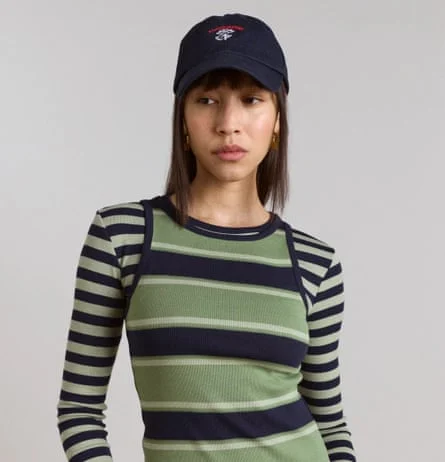
The fashion industry is grappling with its environmental footprint, a challenge that has spurred innovation and the re-evaluation of established practices. Among the emerging trends positioned as a solution is multi-way clothing – garments designed to be worn in multiple configurations, ostensibly extending their utility and reducing the need for new purchases. This concept, while appealing in its simplicity and promise of sustainability, is currently navigating a complex landscape of consumer behavior, marketing strategies, and the pervasive influence of fast fashion, prompting a critical examination of its true impact.
The Genesis and Evolution of Versatile Apparel
The notion of adaptable clothing is far from new. Historically, garments were often designed with versatility in mind due to practical constraints and resource scarcity. From ancient wraps that could be styled in numerous ways to functional military uniforms, utility has often dictated design. In more recent decades, multi-way clothing saw intermittent surges in popularity, often driven by pragmatic needs rather than explicit environmental concerns.
The early 2000s, for instance, witnessed the widespread adoption of zip-off trousers, favored by hikers, travelers, and even pop culture icons like the R&B group TLC. These trousers, which could transform from full-length pants to shorts, exemplified a functional approach to clothing adaptability. The 2010s introduced the "infinity" bridesmaid dress, a single garment that could be styled in dozens of ways, offering a flexible solution for bridal parties with diverse body types or style preferences. These earlier iterations, while practical, were largely disconnected from the broader discourse on fashion sustainability.
The Modern Resurgence: Sustainability as a Driving Force
Today’s renewed interest in multi-way clothing is deeply intertwined with the escalating global conversation around climate change and the fashion industry’s substantial contribution to environmental degradation. The sector is responsible for an estimated 10% of global carbon emissions, more than international flights and maritime shipping combined, and a significant portion of microplastic pollution in oceans. Moreover, every second, the equivalent of one garbage truck of textiles is either landfilled or incinerated, highlighting an urgent need for systemic change.
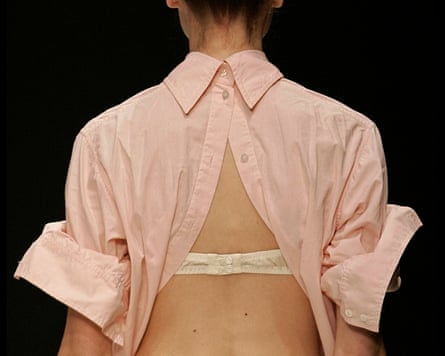
Against this backdrop, "slow fashion" and conscious consumption movements have gained traction, advocating for higher-quality garments, reduced purchasing, and extended wear. Multi-way clothing aligns superficially with these principles by offering perceived versatility and maximizing the utility of a single item. Contemporary brands, often self-proclaimed champions of slow and sustainable fashion, are at the forefront of this trend. Companies like BUCI NYC, Isabella Vrana, Damson Madder, and American brand SAUV are designing collections featuring reversible cardigans, blouses wearable front-to-back, necklines adjustable with hooks and eyes, and midi dresses that transform into minis through clever ribbon ties and loops.
SAUV, founded by sisters Margaux and Euxie, whose initial inspiration came from the necessity of sharing a wardrobe while at separate colleges, exemplifies this modular approach. Their core offering includes a 94% organic cotton popper-sleeved vest, which serves as a base onto which various detachable sleeves – from short-capped to flounced or basic long sleeves – can be added. This modular design encourages consumers to customize their garments, theoretically fostering a deeper connection to their clothes and extending their lifespan.

The Promise of "Doing More with Less"
The central tenet promoted by brands offering multi-way clothing is the idea of "doing more with less." By allowing a single garment to fulfill multiple stylistic or functional roles, the argument goes, consumers will be encouraged to purchase fewer items overall. This aligns with circular economy principles, which emphasize keeping products and materials in use for as long as possible. Brands often market these items as the "ultimate sustainable magic trick," transforming one piece into two or three, thereby combating the relentless cycle of fast fashion consumption.
Supporting data underscores the potential impact of extended garment life. Studies indicate that extending the active life of clothing by just nine months could reduce carbon, water, and waste footprints by 20-30%. If multi-way clothing genuinely leads to a significant increase in wears per item, its environmental benefits could be substantial. The aesthetic of adaptability is also touted as fostering creativity, inspiring wearers to personally adapt garments to fit individual needs, occasions, or evolving styles, moving away from prescriptive fashion trends.
Expert Scrutiny: Skepticism and the Fast Fashion Conundrum
Despite the optimistic framing by some brands, the efficacy and genuine sustainability of multi-way clothing are subject to considerable debate among industry experts and environmental advocates. Emily Chan, Senior Sustainability and Features Editor at British Vogue, expresses cautious optimism, stating that the idea is to be celebrated "if it encourages people to style their garments in different ways, get more wear out of them, and keep them for longer." Her emphasis on "if" highlights the conditionality of its sustainable impact, dependent on actual consumer behavior rather than mere design potential.
A more critical perspective comes from Orsola De Castro, co-founder of Fashion Revolution, a prominent movement advocating for a more sustainable fashion industry. De Castro dismisses multi-way clothing as largely a "marketing ploy" with "absolutely zero merit" from a sustainability standpoint. She argues, "They don’t discourage [consumers] from buying new things… It is a gimmick; just an added layer that makes you consider the longevity of your clothing but doesn’t necessarily dictate your behavior." Her concern lies in the potential for such innovations to be perceived as solutions without fundamentally altering the underlying consumption patterns that drive fashion’s environmental crisis.
This skepticism is amplified by the observation that fast fashion behemoths are quickly integrating multi-way designs into their collections. Retailers like ASOS are now offering multi-way tops with modifiable necklines for significantly lower price points (e.g., £24 for a 95% viscose top). Critics argue that when fast fashion brands adopt such trends, they dilute the original sustainable intent. Fast fashion’s business model relies on rapid production cycles, low costs, and high volume sales, often at the expense of ethical labor practices and environmental considerations. As Emily Chan points out, "If clothes are treated as throwaway items and not made with the environment or garment workers in mind, it’s not a sustainable choice," regardless of their multi-use design. This co-option raises concerns about "greenwashing," where brands leverage eco-friendly optics without genuinely committing to sustainable production methods.
Consumer Behavior and Economic Realities
The economic aspect of multi-way clothing further complicates its narrative. While the principle aims to reduce overall spending by maximizing existing items, many slow fashion multi-way pieces do not come cheap. SAUV’s base vest and short-capped sleeves set, for instance, costs around $135 (£101), with additional sleeve options purchased separately. This price point positions these items as a considered investment, potentially limiting their accessibility to a broader consumer base, especially amidst a global cost of living crisis.
The real-world impact on consumer purchasing habits also remains to be definitively proven. A social media manager, Jasmain Farara, who showcased her SAUV top on TikTok, marketed as "the last top you’ll ever buy," admitted to having purchased more tops since. This anecdotal evidence supports De Castro’s assertion that design features alone may not fundamentally alter deeply ingrained consumption patterns, which are often driven by novelty, social media influence, and the sheer volume of new items constantly pushed by the fashion industry.
The paradox inherent in multi-way clothing – "buy it so you buy less" – speaks to the difficulty of reconciling consumer desire for variety with the imperative for reduced consumption. The modularity, while intended to offer choice within a single garment, can also inadvertently encourage additional purchases of interchangeable components, subtly feeding the very "rabid appetite for new clothes" it purports to curb.
Beyond Pre-Designed Versatility: The Power of Organic Adaptation
Orsola De Castro emphasizes that consumers have always found creative ways to adapt their existing wardrobes without needing pre-designed multi-way features. "Who hasn’t worn a cardigan fastened at the back instead of at the front; who hasn’t pinched [their] skirt and somehow tucked it under [their] knickers to change its shape?" she posits. This highlights the inherent human creativity in personal styling, suggesting that pre-designed multi-way clothing might, paradoxically, be more restricting than liberating. When versatility is a built-in feature, it can guide or even dictate styling choices, potentially stifling more spontaneous and individual forms of expression.
The experience of the article’s initial narrator, struggling with tiny buttons and loops to attach detachable sleeves, underscores this point. The added "fiddliness" of complex multi-way mechanisms can detract from the user experience, leading to frustration and ultimately, the abandonment or return of the item. This practical barrier can undermine the intended goal of extended wear and enjoyment.
The Future of Fashion: A Holistic Approach Required
Multi-way clothing represents a fascinating intersection of design innovation, sustainability aspirations, and market realities. While it offers a glimpse into a potential future where garments are more adaptable and have a longer lifespan, its true impact hinges on several critical factors: the integrity of its production (especially when adopted by fast fashion), its ability to genuinely alter consumer behavior, and its practical usability.
For multi-way clothing to be more than just a fleeting trend or a marketing gimmick, it needs to be part of a larger, holistic shift within the fashion industry. This includes:
- Prioritizing Durability and Quality: Regardless of adaptability, garments must be made to last, using high-quality, sustainably sourced materials and robust construction.
- Ethical Production: The entire supply chain, from raw material sourcing to manufacturing, must adhere to ethical labor practices and minimize environmental harm.
- Consumer Education: Empowering consumers to understand the true lifecycle cost of their clothing and encouraging mindful purchasing, maintenance, and repair.
- Systemic Changes: Policy interventions and industry-wide commitments to reduce overproduction, improve recycling infrastructure, and embrace truly circular business models.
Ultimately, multi-way clothing, in its purest form, has the potential to contribute to a more sustainable fashion ecosystem by encouraging creativity and extending garment utility. However, its effectiveness is continually challenged by the industry’s pervasive culture of rapid consumption and the risk of greenwashing. True sustainability in fashion will likely emerge not from a single design innovation, but from a confluence of thoughtful design, responsible production, and a fundamental transformation in how society values and interacts with its clothes. The journey towards a truly sustainable wardrobe demands more than just detachable sleeves; it requires a detachable mindset from fast fashion’s endless cycle.