
 Ronny Sianturi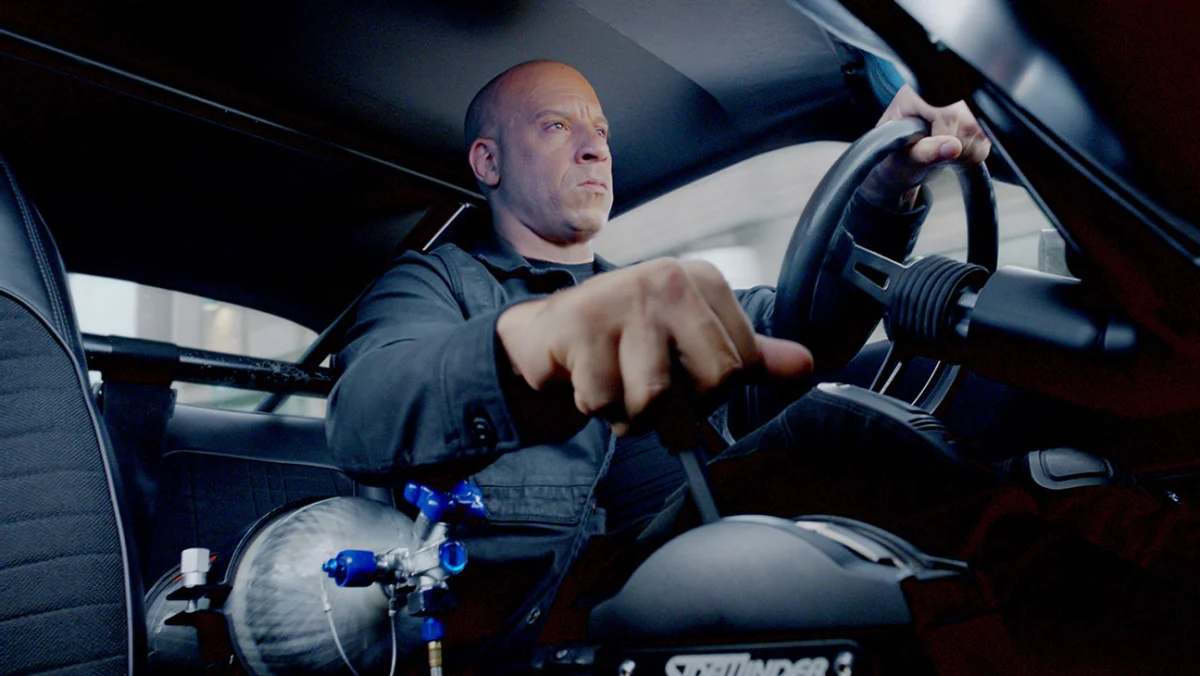
Streaming service Peacock has officially placed a series order for a live-action television adaptation based on Universal Pictures’ multi-billion-dollar Fast and Furious franchise. The greenlight formalizes development plans that were initially teased earlier this year by franchise anchor and producer Vin Diesel during NBCUniversal’s annual upfront presentations. With a targeted premiere window of 2028, the upcoming episodic expansion aims to align strategically with the theatrical release of the franchise’s next major cinematic installment, Fast Forever, slated to arrive in movie theaters on March 17, 2028.
The announcement underscores NBCUniversal’s ongoing strategy to leverage its most lucrative intellectual properties across both theatrical and streaming mediums. As Hollywood studios increasingly lean into interconnected cinematic and episodic universes to drive platform subscriber retention, the Fast and Furious television series represents one of the most ambitious expansions of a legacy action franchise in recent years.
Creative Leadership and Production Team
The development of the series brings together a seasoned roster of television creators and veteran film producers. Mike Daniels, whose previous credits include Sons of Anarchy and NBC’s upcoming adaptation of The Rockford Files, has been tapped alongside Wolfe Coleman (911: Lone Star) to write the pilot episode. The duo will also serve as co-showrunners, steering the narrative direction of the project.
Behind the scenes, the production brings together the core architects of the cinematic franchise. Vin Diesel will executive produce through his One Race banner, working alongside Sam Vincent. They are joined by veteran franchise producers Neal H. Moritz and Pavun Shetty of Original Film, along with producer Jeff Kirschenbaum and longtime franchise writer-producer Chris Morgan. The involvement of Original Film and key creative stakeholders who have shepherded the property over its 25-year history signals a deliberate effort to maintain the stylistic continuity, high-octane action set pieces, and thematic focus on "family" that have defined the film series.
While specific plot details, casting information, and the official title of the series remain strictly under wraps, network executives and producers have indicated that the show will expand the expansive lore of the cinematic universe rather than simply retreading established narratives.
Chronology and Development Timeline
The path to a Fast and Furious television series has been a long-term aspiration for NBCUniversal, punctuated by brief spin-off experiments and years of conceptual planning.
The first notable extension of the cinematic universe occurred in 2019 with the release of the theatrical spin-off Hobbs & Shaw, starring Dwayne Johnson and Jason Statham, which grossed over $760 million globally. That same year, DreamWorks Animation and Netflix debuted Fast & Furious Spy Racers, an animated children’s series that ran for six seasons through 2021. However, a live-action television series set squarely within the primary continuity of the mainline films had remained elusive until recently.
The momentum shifted significantly in May during NBCUniversal’s upfront presentations in New York City. Taking the stage at Radio City Music Hall, Vin Diesel surprised industry insiders and fans by announcing that as many as four different television projects within the Fast universe were actively in development. While network representatives later clarified that only one primary series had reached the formal active development stage, Diesel’s announcement laid the groundwork for the official greenlight that Peacock has now confirmed.
The targeted 2028 premiere date places the television launch in direct coordination with the broader corporate rollout of the next feature film, Fast Forever. By synchronizing the release of a high-end streaming series with a major cinematic event, NBCUniversal is employing a cross-platform release strategy designed to maximize marketing synergy and audience engagement across linear, theatrical, and subscription-based digital ecosystems.
Economic Footprint and Franchise Legacy
The greenlighting of the television project comes as the Fast and Furious property maintains its status as one of the most valuable and enduring assets in the entertainment industry. Spanning eleven feature films over a quarter of a century, the franchise has accumulated more than $7 billion at the worldwide box office.
Beginning modestly in 2001 with a street-racing thriller directed by Rob Cohen, the property underwent a massive stylistic evolution with 2011’s Fast Five, pivoting into a globe-trotting heist and espionage saga. This reinvention not only revitalized the box office performance of subsequent sequels but also transformed the brand into a global pop culture phenomenon. Beyond ticket sales, the franchise has successfully expanded into ancillary revenue streams, including theme park attractions at Universal Studios theme parks, video games, consumer products, and extensive digital merchandising.
Industry analysts note that translating a high-budget, action-heavy film franchise to a television format presents unique budgetary and narrative challenges. Television productions must sustain viewer engagement over a multi-episode arc while delivering the large-scale vehicular stunts, practical effects, and high-stakes action sequences that audiences have come to expect from the brand. The attachment of experienced television showrunners like Daniels and Coleman, combined with the oversight of franchise veterans like Moritz and Diesel, suggests that Peacock is allocating the necessary resources to meet these production standards.
Broader Industry Context at Peacock
The formal order for the Fast and Furious series arrives during a broader period of strategic announcement and programming expansion for Peacock. Simultaneously, the streaming platform revealed that it is developing a high-profile drama series titled The Chairman, starring Eddie Murphy and created by Mad Men mastermind Matthew Weiner. The project marks Murphy’s first ongoing series role since his departure from Saturday Night Live in 1984.
By pairing a legendary comedy icon in a prestigious auteur-driven drama with a massive, globally recognized action property like Fast and Furious, Peacock is signaling a dual-pronged content strategy. The platform is simultaneously targeting prestige-seeking adult audiences with auteur-led drama while courting younger, action-oriented demographics with globally established intellectual property.
Implications for the Streaming and Theatrical Landscape
The convergence of television and cinematic releases within major franchises reflects a broader industry shift toward unified storytelling universes. As traditional broadcast and cable viewership continues to migrate toward subscription video-on-demand services, media conglomerates are increasingly utilizing streaming platforms to deepen audience investment in legacy intellectual properties between theatrical windows.
For NBCUniversal, the 2028 timeline provides ample runway for the creative team to build a sophisticated production infrastructure capable of matching the visual fidelity of the films. As pre-production ramps up over the coming months, attention will naturally turn toward casting announcements, potential crossover appearances from film stars, and details regarding how the series will fit chronologically alongside the events of Fast Forever.
Ultimately, the greenlight represents a major vote of confidence in the enduring commercial viability of the Fast and Furious brand. Twenty-seven years after Dominic Toretto and his crew first raced through the streets of Los Angeles, the franchise shows no signs of slowing down, preparing to burn rubber on both the big screen and the television monitor in the years ahead.








