Ronny Sianturi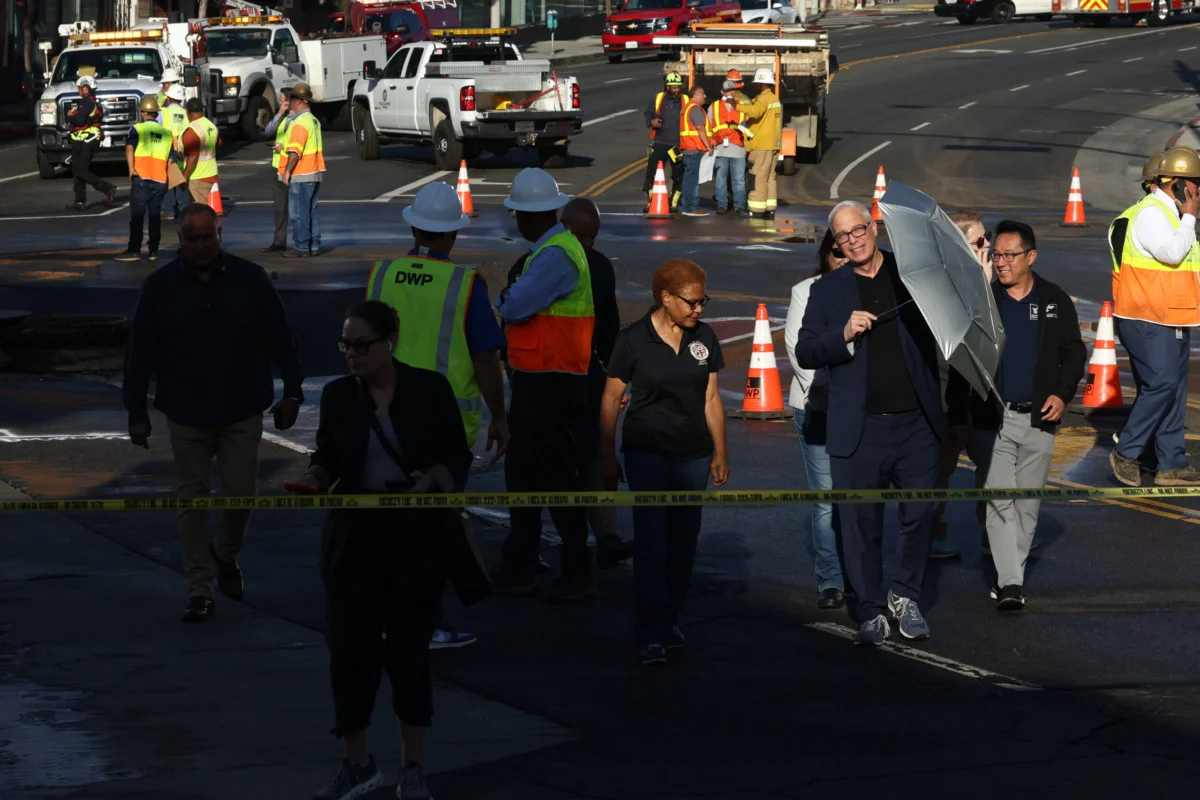
The Los Angeles Department of Water and Power (LADWP) is currently grappling with the aftermath of a catastrophic rupture in a 110-year-old, 36-inch steel main buried deep beneath the iconic Sunset Boulevard in West Hollywood. The early Thursday morning incident unleashed a deluge of thousands of gallons of water, transforming normally bustling streets into a chaotic watercourse, forcing significant road closures, and prompting urgent calls for water conservation among residents and businesses. The dramatic event has not only disrupted daily life but also highlighted critical questions about the aging infrastructure underpinning one of the nation’s most vital metropolitan areas.
The Genesis of the Deluge: A Midnight Rupture
The crisis began to unfold around 2:30 a.m. on Thursday, when the massive water main, a relic of a bygone era of urban development, gave way. The precise cause of the rupture is still under investigation by LADWP engineers and public works officials. However, the sheer volume of water that subsequently flooded the streets of West Hollywood, a district renowned for its vibrant nightlife, celebrity haunts, and high-end businesses, was immediate and overwhelming. Water rapidly inundated the thoroughfares, creating a scene of disarray that greeted early morning commuters and residents.
By approximately 7:30 a.m. local time, LADWP confirmed that water flow to the ruptured section had been successfully shut off. This critical step was facilitated by the swift deployment of personnel from the city’s Department of Public Works, who worked diligently to contain the escalating situation. Despite the immediate cessation of the main flow, the damage was already extensive, with water continuing to pour from the broken pipe and spread across the surrounding landscape.
Immediate Response and Containment Efforts
In the immediate aftermath, LADWP crews embarked on a monumental task: the removal of approximately 195,000 gallons of water from the compromised 0.7-mile isolated section of the pipe and the adjacent flooded areas. This extensive dewatering operation is a prerequisite for securing the rupture site and conducting a thorough assessment of the damage. Engineers are employing shoring techniques to stabilize the ground and ensure the safety of the excavation zone before any digging can commence.
While the primary 36-inch main remains offline, LADWP has assured the public that water service to residents and businesses in West Hollywood is being maintained through an alternative 8-inch pipe. However, this diversion is not without its consequences. Many customers, particularly those in multi-story buildings on higher floors, have reported experiencing reduced water pressure. The department is actively working to recalibrate water operations to restore adequate pressure without exacerbating the existing challenges or risking further infrastructure damage.
Official Reactions and Public Appeals
Mayor Karen Bass, a prominent figure in Los Angeles’s response to the crisis, was on the scene early Thursday morning, observing the unfolding situation firsthand. Later in the day, she issued a public statement relaying the critical information and appeals to West Hollywood residents and the wider public.
"As LADWP crews continue to work urgently to remove water to repair the pipe rupture in West Hollywood, people should avoid the area and conserve water as some may experience a loss of water pressure," Mayor Bass stated. She reiterated that while water to the main has been shut off, individuals who have suffered property damage are encouraged to engage with LADWP personnel stationed on the ground to document their claims.
To facilitate direct communication and address concerns, LADWP has established a dedicated presence in front of 1010 Palm Avenue, with staff available daily until 7 p.m. This outreach aims to provide a direct channel for residents and business owners to ask questions regarding property damage and the claims process.
The Unfolding Chaos: Sinkholes and Traffic Gridlock
The sheer force of the water escaping the ruptured main led to the formation of a significant sinkhole on a West Hollywood sidewalk near Sunset Boulevard. The ground, saturated and destabilized by the relentless flow, gave way, creating a hazardous chasm. Reports emerged of two individuals who narrowly avoided falling into the newly formed sinkhole, underscoring the unpredictable dangers posed by the flooding.

As the morning rush hour commenced, the impact on traffic became acutely apparent. Sunset Boulevard, a major artery through the heart of the Sunset Strip, experienced severe disruption. Major road closures were implemented, creating gridlock and forcing commuters and residents to seek alternative routes. The affected sections include Sunset Boulevard between Larrabee Street and La Cienega Boulevard, along with several adjacent streets. These closures are deemed essential for public safety and to facilitate the unimpeded work of repair crews.
Broader Impact: Businesses and Displacement
The flooding has had a significant economic and operational impact on businesses in the vicinity. Many establishments were forced to close their doors, not only due to the immediate disruption but also to assess and mitigate the damage to their premises. Dialog Cafe, a popular spot frequented by influencers and locals alike, announced on its Instagram page that it would remain closed indefinitely as it focuses on recovery.
"Right now, our entire focus is on cleaning up, assessing the damage and doing everything we can to restore the space that has been home to so many memories over the past 15 years," the cafe’s statement read, with the team expressing uncertainty about their reopening date. This sentiment is likely shared by numerous other businesses grappling with the costly and time-consuming process of recovery.
Detailed Traffic Restrictions and Displacement Assistance
The West Hollywood Sheriff’s Station has provided detailed information regarding the hard street closures, emphasizing that there is no through access in the affected zones. These include:
- Horn Avenue at Sunset Boulevard
- San Vicente Boulevard and North Clark Street at Sunset Boulevard (with no eastbound traffic permitted on Sunset Boulevard from San Vicente Boulevard/Clark Street)
- Larrabee Street at Sunset Boulevard (on both north and south sides) and at Santa Monica Boulevard
- Palm Avenue at Santa Monica Boulevard
Authorities are urging the public to avoid the area for the next several days to ensure that repair crews and emergency services can operate efficiently. For residents needing to pass through any "soft closure" points, having identification or proof of residency readily available is advised.
In a gesture of community support, several local hotels are offering discounted rates to West Hollywood residents displaced by the flooding. These accommodations include the Ziggy Hotel (25% off best available rate), the West Hollywood Edition (20% off retail rate), and The London Hotel (40% off best available rate), among other special offers designed to assist those affected by the water main break.
Historical Context and Infrastructure Concerns
The rupture of a 110-year-old water main raises broader concerns about the state of Los Angeles’s aging infrastructure. The city, like many older urban centers, relies on a complex network of pipes and conduits that have served for decades, often exceeding their intended lifespans. The sheer scale of the water system, coupled with the constant pressure and environmental factors, makes maintenance and replacement a formidable and ongoing challenge.
The 36-inch steel main that failed on Sunset Boulevard is part of a critical trunk line, a major conduit responsible for distributing water across significant portions of the city. The failure of such a substantial pipe can have cascading effects, impacting water pressure and supply, and, as demonstrated, causing extensive physical damage to the urban environment. While LADWP invests in infrastructure upgrades, events like this underscore the persistent need for proactive maintenance, systematic replacement programs, and potentially the acceleration of these efforts to prevent future catastrophic failures. The long-term implications for public safety, economic stability, and the city’s ability to deliver essential services are significant and warrant continued attention and resource allocation.
The Road Ahead: Repair, Recovery, and Resilience
As crews continue their painstaking work to repair the damaged infrastructure, the focus remains on restoring normalcy to the affected areas. The timeline for full restoration is yet to be determined, as engineers must meticulously assess the extent of the damage to the pipe and the surrounding underground infrastructure. The process of excavation, repair, and backfilling will likely be a protracted one, requiring significant resources and coordinated effort.
The incident serves as a stark reminder of the hidden, yet vital, systems that underpin modern urban life and the vulnerability of these systems to the ravages of time and environmental stress. The resilience of Los Angeles and West Hollywood will be tested in the coming days and weeks as residents, businesses, and city officials work collaboratively to overcome this significant challenge and rebuild. The lessons learned from this subterranean collapse will undoubtedly inform future infrastructure planning and investment, aiming to safeguard against similar events in the future.