Nila Kartika Wati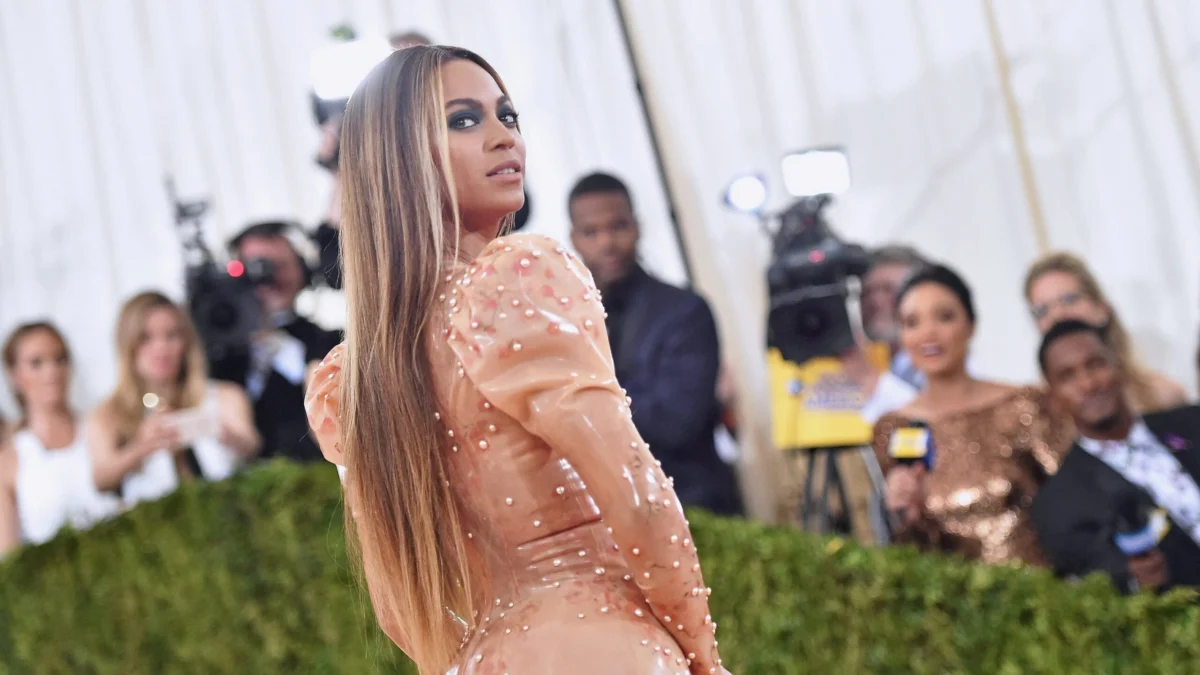
The highly anticipated Met Gala of 2026 is already a focal point of public and industry discussion, not only for the potential return of global music icon Beyoncé after a decade-long absence but, more significantly, for the controversial appointment of Amazon founder Jeff Bezos and his partner Lauren Sánchez Bezos as honorary chairs. Their involvement has ignited a firestorm of debate, casting a shadow of contention over what is traditionally the fashion industry’s most celebrated night.
A Decade of Absence and a Blockbuster Return
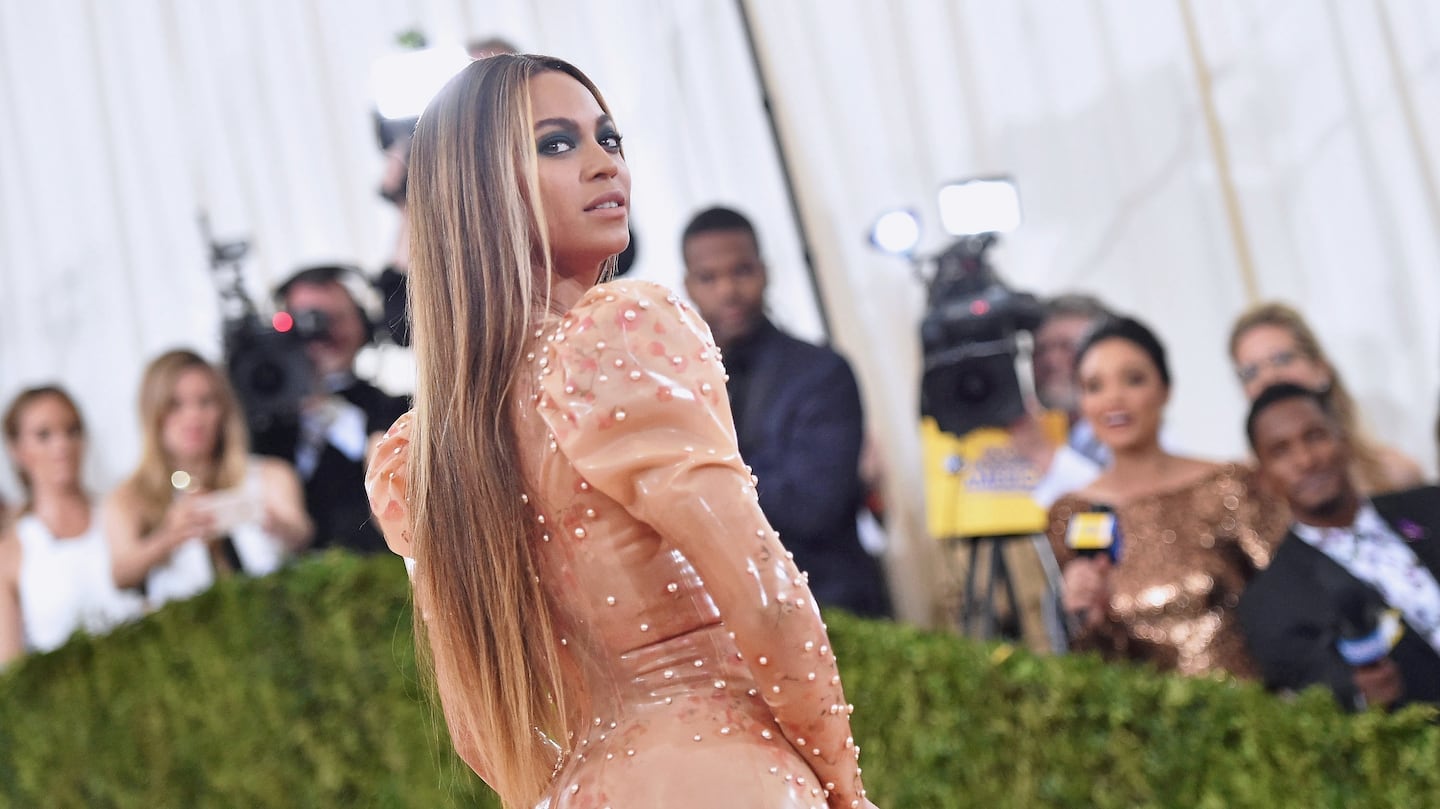
Beyoncé’s last appearance at the Met Gala was in 2016, a year marked by her show-stopping, intricately detailed yellow gown by designer Peter Dundas for the "Manus x Machina: Fashion in an Age of Technology" theme. Her return, if confirmed, would represent a significant moment for the event, drawing immense media attention and likely influencing fashion trends and public engagement. The Met Gala, officially known as the Costume Institute Gala, is an annual fundraising event for the Metropolitan Museum of Art’s Costume Institute in New York City. It marks the opening of the Institute’s annual fashion exhibition. The event is renowned for its elaborate themes, celebrity attendees, and astronomical ticket prices, with proceeds directly benefiting the Costume Institute’s acquisitions, exhibitions, and staff.
The Bezos Factor: Power, Philanthropy, and Public Scrutiny
The decision to name Jeff Bezos and Lauren Sánchez Bezos as honorary chairs has been met with a mixed, and often critical, reception. Bezos, the founder of Amazon and one of the world’s wealthiest individuals, commands significant influence across various sectors, including technology, commerce, and increasingly, media and philanthropy. Sánchez Bezos, a former television anchor and helicopter pilot, has also become a prominent figure in philanthropic circles, particularly through their joint initiatives focused on environmental sustainability and space exploration.
However, their association with the Met Gala is not without its complexities. Critics have pointed to Amazon’s labor practices, its environmental footprint, and the vast wealth disparity associated with individuals like Bezos. Some argue that associating the Met Gala, an event that celebrates artistry and culture, with figures whose business practices have faced substantial criticism sends a contradictory message. The event, while a bastion of high fashion, has also increasingly grappled with questions of accessibility, exclusivity, and the ethical considerations surrounding the fashion industry.
Historical Context of Met Gala Chairmanships
The role of honorary chair at the Met Gala is typically bestowed upon individuals who embody the spirit of the event or have a strong connection to the fashion world. Past chairs have included prominent figures from the arts, entertainment, and fashion industries, such as Anna Wintour (editor-in-chief of Vogue and the event’s long-standing chair), who has wielded considerable influence over the selection of co-chairs and guests. The honorary chairs often play a significant role in guiding the overall theme and guest list, though the ultimate curatorial direction remains with the Costume Institute and its leadership.
The selection of Bezos and Sánchez Bezos marks a departure from the traditional profiles, signaling a potential shift in the Gala’s strategic partnerships or a deliberate attempt to broaden its appeal and fundraising base. This move could be interpreted as an effort to attract a new demographic of donors or to leverage the immense public platforms of the honorary chairs to amplify the event’s reach and impact.
The Theme and Its Implications
While the official theme for the 2026 Met Gala has not yet been fully unveiled, the choice of honorary chairs often hints at the underlying narrative. Given Bezos’s extensive interests in space exploration through his company Blue Origin, and Sánchez Bezos’s involvement in environmental advocacy, it is plausible that the theme might lean towards themes of innovation, humanity’s future, or perhaps the intersection of technology and nature.
The selection of Bezos, whose net worth has been a subject of continuous public fascination and debate, also raises questions about the event’s perceived exclusivity. Ticket prices for the Met Gala are notoriously high, often ranging from $30,000 to $50,000 per person, with tables costing significantly more. The involvement of billionaires as honorary chairs, while potentially bringing in substantial donations, can also reinforce the perception of the event as a playground for the ultra-wealthy, detached from broader societal concerns.
Industry Reactions and Expert Analysis
The fashion industry, a complex ecosystem of designers, brands, retailers, and influencers, is watching this development closely. Anna Wintour, the Met Gala’s formidable host and a key decision-maker, has a history of navigating the intersection of fashion, celebrity, and commerce with shrewd precision. Her endorsement of the Bezos appointment suggests a strategic calculation aimed at bolstering the event’s financial standing and cultural relevance.
However, not all industry insiders are likely to share the same enthusiasm. Designers who have previously spoken out about sustainability and ethical production within the fashion world may find themselves in a difficult position. Public relations experts suggest that the organizing committee will need to carefully manage the narrative surrounding the honorary chairs, potentially highlighting their philanthropic endeavors and their commitment to innovation and progress.
"The Met Gala is a unique platform that blends high art with celebrity culture and significant fundraising," noted Dr. Evelyn Reed, a fashion historian and cultural analyst. "The appointment of Jeff Bezos and Lauren Sánchez Bezos as honorary chairs is undoubtedly a bold move. It signals a recognition of their immense global influence and their capacity to draw attention. However, it also presents a significant challenge in terms of public perception. The fashion industry, in particular, is increasingly under scrutiny for its environmental and social impact. Aligning with figures who represent immense wealth and the complexities of modern corporate power requires a delicate balancing act."
Broader Societal and Economic Considerations
The Met Gala, beyond its fashion-forward façade, serves as a vital financial lifeline for the Metropolitan Museum of Art. In recent years, cultural institutions have faced increasing pressure to diversify their funding sources. The involvement of titans of industry like Bezos could be seen as a pragmatic approach to securing long-term financial stability. Data from previous years indicates that the Met Gala consistently raises millions of dollars, with the 2023 event reportedly generating over $20 million for the Costume Institute. The potential for the 2026 gala to surpass these figures, with the influence of its honorary chairs, is a significant consideration for the museum.
Furthermore, the choice of honorary chairs can reflect broader societal trends. The increasing prominence of technology moguls in cultural and philanthropic spheres is a testament to their growing influence beyond their original industries. The Met Gala, as a barometer of cultural trends, is reflecting this shift, albeit with potential controversy.
Timeline of Key Developments (Inferred)
- Late 2025/Early 2026: Initial discussions and invitations for honorary chairs are extended. The selection process likely involves extensive consultation with the Costume Institute, Anna Wintour, and potentially other key stakeholders.
- Mid-2026 (leading up to the event): Announcement of honorary chairs, Jeff Bezos and Lauren Sánchez Bezos, and the potential return of Beyoncé. This announcement is expected to generate significant media buzz and initial reactions.
- Weeks preceding the Gala: Thematic reveals and guest list confirmations. Speculation intensifies regarding the fashion choices of attendees and the overall narrative of the event.
- First Monday in May 2026: The Met Gala takes place, marking the culmination of months of planning and anticipation. Public and industry analysis of the event’s success, its fashion, and the impact of its key figures begins.
Navigating the Controversy
The controversy surrounding the Bezos appointment is unlikely to deter the event from proceeding. Instead, it places a greater onus on the organizers to engage in thoughtful communication. This may involve emphasizing the philanthropic aspects of their involvement, showcasing their personal commitment to causes that align with the Costume Institute’s mission, and ensuring that the event itself remains a celebration of artistic expression and fashion innovation.
The 2026 Met Gala promises to be an event of considerable intrigue, not just for its sartorial displays but for the complex interplay of celebrity, wealth, and cultural influence. The return of Beyoncé, juxtaposed with the controversial yet powerful presence of Jeff Bezos and Lauren Sánchez Bezos as honorary chairs, sets the stage for a gala that will undoubtedly be dissected and debated long after the final red carpet moments fade. The challenge for the organizers will be to steer the conversation back to the artistry and the enduring mission of the Costume Institute, amidst the undeniable power and polarizing presence of its most talked-about guests.