Nila Kartika Wati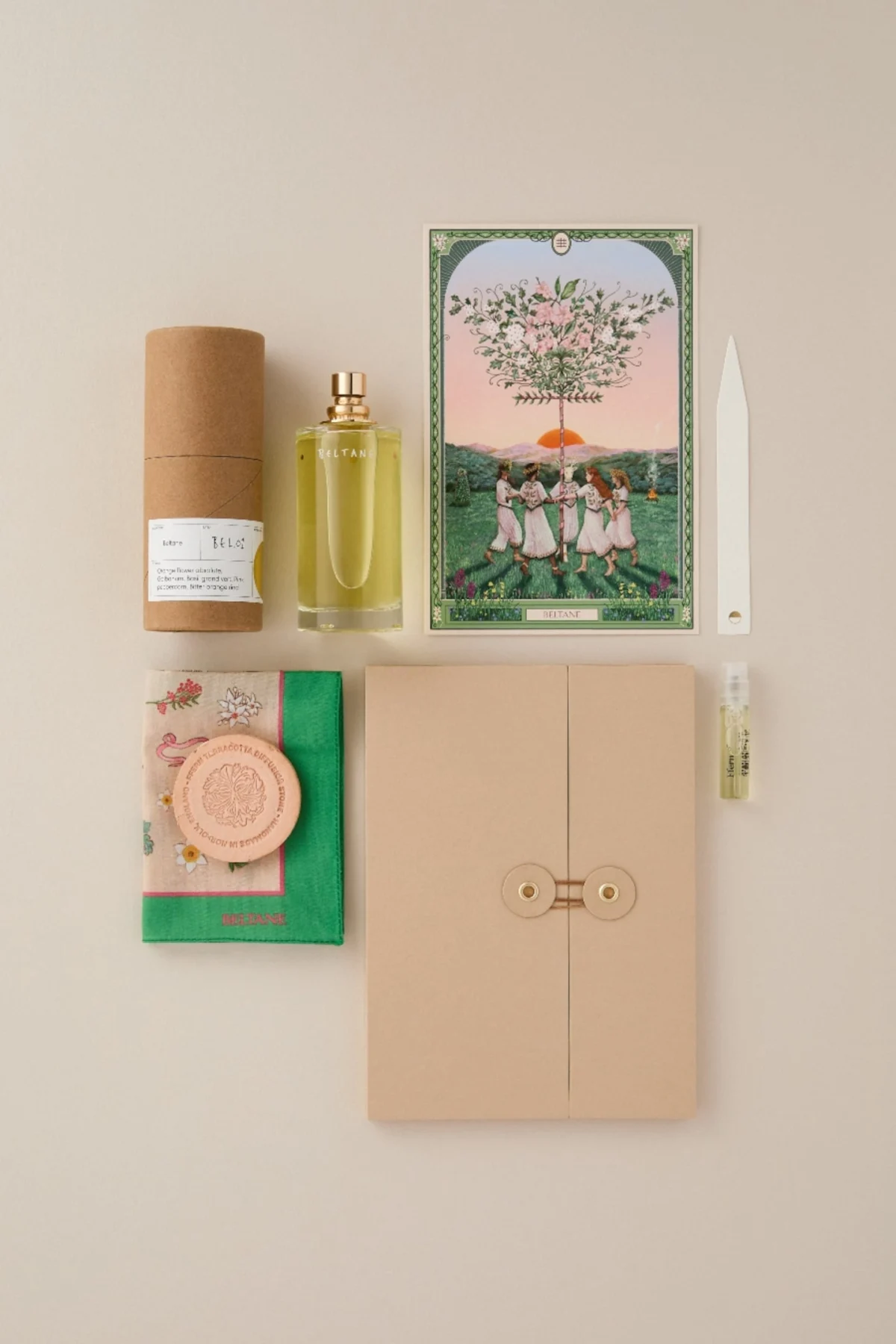
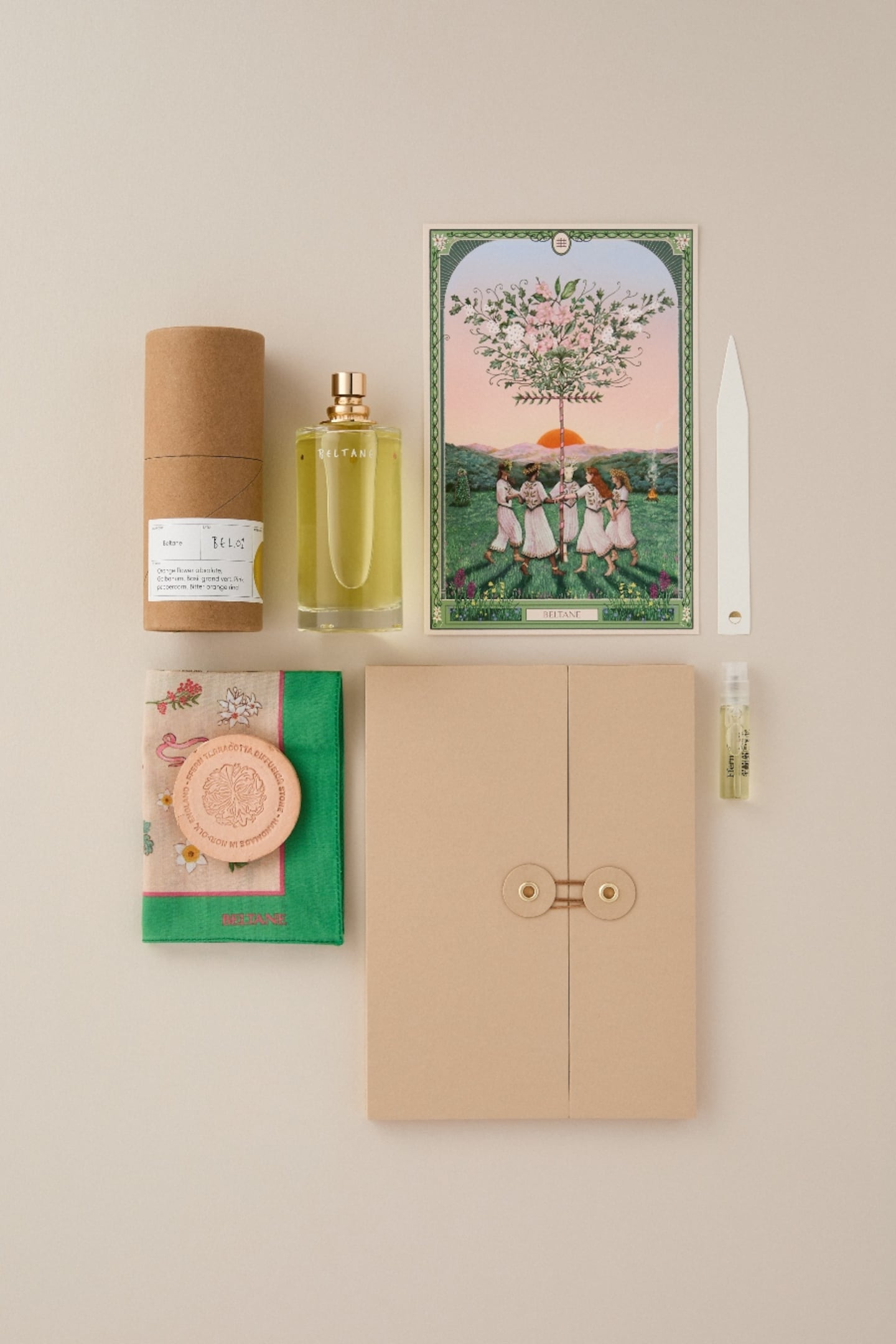
In a significant shift for its exclusive customer base, membership-based fragrance house Ffern has opened its coveted product offerings to the general public for the first time. This strategic move, coinciding with a broader surge in the "product drop" experiment across the beauty industry, marks a pivotal moment for the niche brand, potentially expanding its reach while navigating the delicate balance of maintaining its curated appeal. The brand’s latest release, "Beltane," is the first fragrance made available for direct purchase beyond its established "ledger" of members, albeit for a strictly limited duration.
A New Era for Ffern: From Exclusive Ledger to Public Access
Ffern, known for its artisanal approach to perfumery and its unique membership model, has cultivated a loyal following through a system that prioritizes exclusivity and a sense of community. Traditionally, obtaining Ffern fragrances required prospective customers to join a waiting list and gain entry into a membership "ledger." This model fostered anticipation and a deep appreciation for the brand’s carefully crafted scents, which are released in small batches and often sell out rapidly. The decision to open orders to the wider public represents a departure from this established practice, signaling a potential scaling of operations and a desire to capture a larger market share.
The "Beltane" release, named after the ancient Celtic festival celebrating the beginning of summer, offers a glimpse into Ffern’s seasonal fragrance collections. These limited-edition releases are a cornerstone of the brand’s strategy, generating buzz and encouraging repeat engagement from its members. By making "Beltane" accessible to non-members, Ffern is testing the waters of broader market appeal and assessing the demand for its exclusive creations outside of its established community. The limited-time availability of this particular fragrance suggests a controlled experiment, allowing the brand to gauge public reception without permanently altering its core membership structure.
The Rise of the Product Drop: A Beauty Industry Phenomenon
Ffern’s strategic pivot aligns with a growing trend within the beauty industry: the "product drop." This model, popularized by streetwear and luxury fashion brands, leverages scarcity and urgency to create hype and drive sales. Instead of traditional, continuous product availability, brands release limited quantities of new items for a specific, often short, period. This approach has proven highly effective in generating excitement, fostering a sense of urgency among consumers, and maximizing sales within a concentrated timeframe.
Several beauty brands have successfully adopted this strategy. For instance, Glossier, a pioneer in the direct-to-consumer beauty space, has frequently utilized product drops to launch new items, creating significant online buzz and immediate sell-outs. Similarly, brands like Rare Beauty by Selena Gomez and Fenty Beauty by Rihanna have incorporated limited-edition releases and "drop" mechanics into their marketing strategies, capitalizing on celebrity influence and the desire for unique, sought-after products.
The success of these drops is often attributed to several factors:
- Exclusivity and Scarcity: Limited availability creates a perception of high value and desirability. Consumers are more motivated to purchase when they believe an item is rare and may not be available again.
- Urgency and FOMO (Fear of Missing Out): Defined release windows and limited stock encourage immediate purchasing decisions, playing on consumers’ fear of missing out on a coveted item.
- Community Building: Product drops can foster a sense of belonging among customers who are "in the know" and manage to acquire the limited items. This can translate into stronger brand loyalty.
- Marketing Efficiency: A well-executed product drop can generate substantial earned media and social media attention, acting as a powerful and cost-effective marketing campaign.
Ffern’s entry into this space, albeit with its own nuanced membership history, suggests a recognition of the potent consumer psychology that drives the product drop model.
Background and Chronology of Ffern’s Approach
Founded in 2019 by Amy Christiansen, Ffern emerged with a vision to redefine the relationship between brands and consumers in the fragrance world. The brand’s inception was rooted in a desire to move away from the fast-paced, often disposable nature of mainstream beauty products. Instead, Ffern committed to a slower, more deliberate approach, focusing on high-quality ingredients, artisanal craftsmanship, and a sustainable production cycle.
The membership model was central to this philosophy. By capping its customer base, Ffern aimed to ensure that every member received a personalized and attentive experience. This also allowed the brand to meticulously plan its production, minimizing waste and maintaining a consistent level of quality. The "ledger" system, while initially creating a barrier to entry, fostered a dedicated community of enthusiasts who appreciated the brand’s commitment to its ethos.
The timeline of Ffern’s operations can be broadly understood as:
- Pre-Launch (Prior to 2019): Development of brand philosophy, sourcing of ingredients, formulation of initial fragrances, and planning of the unique membership model.
- Launch and Membership Growth (2019 onwards): Introduction of the membership-based model, opening the "ledger" to initial members, and steady release of seasonal fragrances. Focus on building a strong community and brand loyalty.
- The "Beltane" Public Offering (Current): The decision to open orders for a specific fragrance to the general public for a limited time. This represents a significant experimental phase for the brand.
This transition, from a strictly closed system to a partially open one, is a carefully considered step, likely influenced by market dynamics and a desire for controlled expansion.
Supporting Data and Market Context
The global fragrance market is a substantial and growing sector. According to Statista, the fragrance market is projected to reach a revenue of $62.42 billion in 2024, with an expected annual growth rate of 3.64% (CAGR 2024-2029). This growth is driven by increasing consumer demand for personal care products, a rising disposable income in emerging markets, and the influence of social media and celebrity endorsements.
Within this broader market, niche and artisanal fragrances have carved out a significant segment. Consumers are increasingly seeking unique, high-quality scents that reflect their personal style and values, moving away from mass-market options. This trend has benefited brands like Ffern, which prioritize craftsmanship, ingredient transparency, and a distinctive brand narrative.
The success of the product drop model in beauty can also be quantified by various market analyses. While specific data for Ffern’s public offering is not yet available, industry reports consistently highlight the efficacy of limited-edition releases in driving engagement and sales. For example, a study by Nielsen found that limited-edition products can drive a significant uplift in sales compared to standard product offerings, often by as much as 20-30%.
Ffern’s decision to test the public market with a limited drop is strategically sound within this context. It allows them to:
- Tap into a larger customer pool: Potentially attract new buyers who may have been hesitant to join the membership ledger or unaware of Ffern’s existence.
- Generate immediate revenue: Capitalize on the heightened demand associated with a limited release.
- Gather valuable market intelligence: Understand the purchasing behavior and preferences of a broader consumer base.
- Maintain brand mystique: By limiting the drop to a specific product and timeframe, they can mitigate the risk of diluting their core membership exclusivity.
Inferred Statements and Reactions
While direct quotes from Ffern’s leadership regarding this specific public offering are not available in the provided text, the strategic decision itself speaks volumes. It suggests a calculated risk taken by a brand that has built its reputation on a foundation of exclusivity.
One can infer that the decision was likely a collaborative one, involving the brand’s founders and marketing teams. The primary motivation would be to balance growth ambitions with the preservation of Ffern’s core identity. The limited nature of the "Beltane" offering indicates a cautious approach, aiming to test the waters without fundamentally altering the membership experience for existing patrons.
From the perspective of existing Ffern members, this move could elicit a mixed reaction. Some may appreciate the opportunity to share their beloved brand with friends and family, potentially expanding the community. Others might view it as a dilution of exclusivity, a concern that Ffern would likely seek to address through transparent communication and by reinforcing the unique benefits of continued membership.
Industry observers would likely see this as a progressive step for Ffern, demonstrating adaptability in a competitive market. It signals that even niche brands with established models can explore innovative strategies to achieve sustainable growth.
Broader Impact and Implications
Ffern’s move to open its orders to the general public has several broader implications for the fragrance and broader beauty industry:
- Democratization of Niche Luxury: By making its products accessible, Ffern could be seen as democratizing a segment of the luxury fragrance market. This could encourage other niche brands to reconsider their exclusivity models and explore avenues for broader reach.
- Evolution of Membership Models: This experiment could serve as a case study for other membership-based businesses. It suggests that a hybrid approach, combining exclusivity with occasional public access, might be a viable strategy for balancing growth and brand integrity.
- The Power of Controlled Scarcity: Ffern’s limited-time offering reinforces the efficacy of scarcity as a marketing tool. It highlights that even without the traditional "product drop" fanfare of some streetwear brands, controlled availability can drive significant consumer interest.
- Consumer Expectations in the Digital Age: Consumers today are accustomed to both instant gratification and exclusive access. Brands that can successfully navigate these competing expectations are likely to thrive. Ffern’s approach, offering a taste of exclusivity through a limited drop, caters to this evolving consumer landscape.
- Sustainability and Production: Ffern’s commitment to sustainable practices remains a critical aspect of its brand identity. The success of this public offering will also be a test of whether their production capabilities can scale to meet increased demand without compromising their ethical and environmental standards.
In conclusion, Ffern’s decision to open its fragrance orders to the public for the "Beltane" release is a significant development. It represents a calculated evolution for the brand, strategically leveraging the popular product drop phenomenon to explore new market horizons. This move, while potentially broadening its customer base, will also be closely watched as it navigates the delicate balance between maintaining its esteemed exclusivity and embracing opportunities for growth in an ever-evolving beauty landscape. The outcome of this experiment could offer valuable insights for other brands seeking to innovate within the competitive and dynamic world of luxury fragrances.