Ronny Sianturi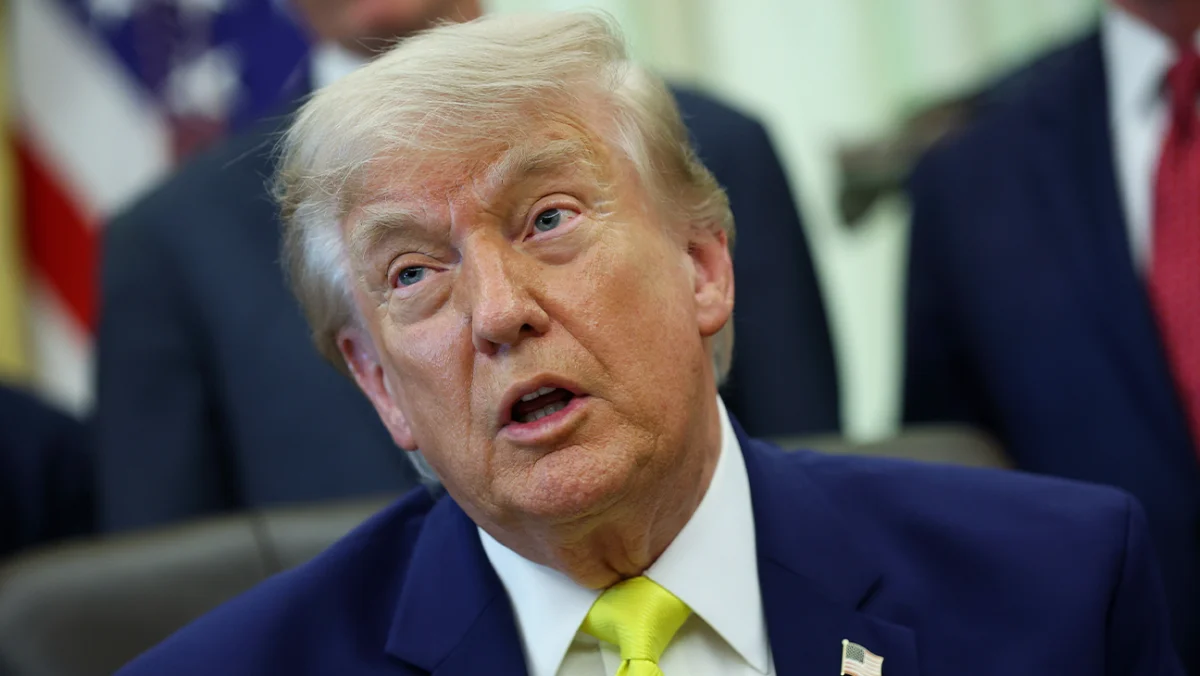
Donald Trump’s highly anticipated primetime address on Thursday night offered a stark illustration of his evolving relationship with traditional broadcast media, a relationship seemingly more fractured than the unsubstantiated claims of election fraud he reiterated within the speech. While the former president’s rhetoric focused on allegations of electoral malfeasance, the most significant takeaway from the evening was not the content of his claims, but the conspicuous absence of his voice from significant portions of the American television landscape. In a move that underscored a growing trend of network selectivity regarding presidential addresses, two of the four major broadcast networks, NBC and ABC, opted to maintain their regularly scheduled programming rather than preempt for Trump’s remarks. This decision, a departure from decades of precedent, signals a complex recalibration of how presidential communication is disseminated and received in the contemporary media environment.
The former president, accustomed to commanding extensive airtime, found his address relegated to a partial broadcast. NBC chose to air a rerun of its nature documentary series, The Americas, while ABC, a network that has seen a surge in popularity for its unscripted programming, broadcast a new episode of the popular game show Press Your Luck. Hosted by Elizabeth Banks, the show’s premise involves contestants navigating a board game with the risk of encountering a cartoon character, the "Whammy," who can derail their progress. The juxtaposition of Trump’s serious allegations with the lighthearted nature of a game show highlighted the networks’ decision to prioritize entertainment over the former president’s political messaging. Trump himself acknowledged this perceived slight during his speech, framing it as part of a larger "plot" against him, a sentiment likely to be amplified across his social media platforms.
A Divided Airwave: Fox and CBS Offer Partial Support
While NBC and ABC largely abstained, the other two major networks offered a more accommodating platform. Fox News, a consistent ally of the former president, carried the majority of Trump’s speech live. Similarly, CBS, now under the influence of David Ellison, son of Trump ally Larry Ellison, and with Bari Weiss as editor-in-chief of CBS News, preempted a rerun of the popular Young Sheldon spinoff, Georgie and Mandy’s First Marriage, for a special report anchored by Tony Dokoupil, which provided coverage and analysis of the address. This varied reception across networks underscores the increasingly fragmented media ecosystem and the strategic choices made by individual outlets in response to political events.
Historical Precedent: The Evolution of Presidential Airtime
Historically, presidential addresses delivered during times of national significance were treated as non-negotiable events by the broadcast networks. Such occasions were considered a public service, an obligation to inform the citizenry directly from the nation’s highest office. Iconic moments, like President Ronald Reagan’s somber address following the Challenger space shuttle disaster in 1986, President George H.W. Bush’s wartime address at the commencement of the Gulf War in 1991, or President Jimmy Carter’s introspective "malaise" speech, known officially as the "Crisis of Confidence" address in 1979, invariably commanded full network preemptions. These instances demonstrate a long-standing tradition where the gravity of a presidential message outweighed the economic or scheduling considerations of entertainment programming. The networks, in essence, served as a unified conduit for the President’s voice to reach the broadest possible audience.
A Shifting Landscape: Network Selectivity in the Digital Age
However, the media landscape has undergone a profound transformation, and with it, the protocols surrounding presidential broadcasts have become less rigid. In recent years, networks have exhibited a greater degree of selectivity, a trend that became particularly evident during the Obama administration. In 2014, all four major networks declined to air President Barack Obama’s address on immigration reform. The justification provided was that the speech was deemed too political to warrant preempting popular prime-time shows like Grey’s Anatomy and The Biggest Loser. This decision marked a significant departure from previous norms, signaling a growing reluctance to grant automatic airtime to presidential speeches, particularly those perceived as politically charged.
Interestingly, a mere five years later, the same networks adopted a different stance when President Trump delivered his address concerning border wall funding. In 2019, all four networks carried Trump’s speech, a move that led to the preemption of beloved programs such as Black-ish and FBI. This apparent inconsistency highlights the complex calculus networks employ, weighing factors such as the perceived urgency of the message, the political leanings of the administration, and the potential audience engagement. The decision-making process appears to be less about an inherent obligation to broadcast presidential addresses and more about a strategic assessment of the event’s news value and its impact on viewership.
Unconventional Approach: The White House’s Communication Strategy
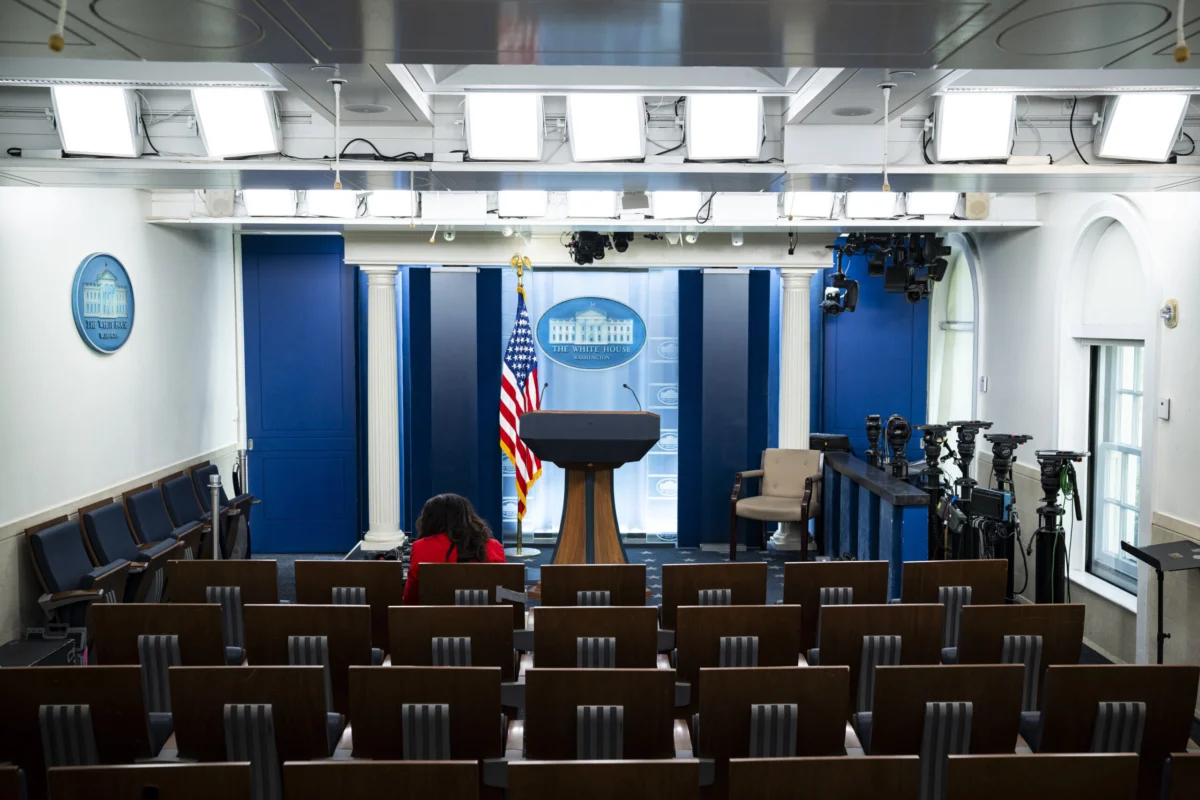
Adding another layer of complexity to Thursday night’s event was the apparent lack of a formal request from the White House for network airtime. Unlike traditional presidential addresses, which are typically coordinated well in advance through established protocols, President Trump announced his intention to deliver "really big news" without apparently engaging in the customary communication channels with the broadcast networks. This unconventional approach suggests a belief, on the part of the former president, that his pronouncements would automatically command the attention of the networks, leading them to adjust their schedules accordingly. The absence of a formal request may have contributed to the networks’ less accommodating responses, as they were not operating under the expectation of a pre-arranged broadcast.
Cable News Coverage: A Predictable Divide
While the broadcast networks navigated a more nuanced approach, cable news coverage offered a predictable reflection of the partisan media divide. CNN, under the guidance of anchor Kaitlan Collins, assembled a panel of pundits to analyze and dissect the speech as it unfolded, often off-screen. MSNBC, meanwhile, aired the initial 17 minutes of Trump’s address before cutting away to facilitate an "outraged discussion," a common practice for the network when covering content deemed controversial or inflammatory. This stark contrast in cable coverage underscores the partisan framing that often accompanies political discourse on these platforms, providing viewers with interpretations that align with their existing viewpoints.
The Unwavering Support: Fox News’s Exclusive Broadcast
In a clear demonstration of its editorial alignment, Fox News remained steadfast in its commitment to carrying President Trump’s entire address. The network provided live, uninterrupted coverage, offering a consistent platform for the former president’s message. This unwavering support from Fox News contrasts sharply with the decisions of NBC and ABC, further illustrating the splintering of media outlets and their varying approaches to political coverage. The "livid color" mentioned in the original text likely refers to the vividness of the broadcast, but it also subtly hints at the charged emotional and political atmosphere surrounding such events.
Analyzing the Implications: A New Era of Presidential Communication
The events of Thursday night are more than just a footnote in the ongoing political discourse; they represent a significant inflection point in how presidential communication is managed and received. The diminished automaticity of broadcast network coverage for presidential addresses suggests a new era where presidents must actively compete for airtime, even for speeches delivered from the White House. This shift has several implications:
- Increased Reliance on Digital Platforms: Presidents may increasingly leverage their own digital platforms, social media, and directly broadcast channels to disseminate their messages, bypassing traditional gatekeepers. This allows for greater control over the narrative and a direct connection with supporters.
- Heightened Importance of Cable News: With broadcast networks becoming more selective, cable news channels that are either aligned with or opposed to the president’s political agenda will likely see their influence grow as primary conduits for political messaging and analysis.
- Fragmented Public Discourse: The selective broadcast of presidential addresses can contribute to a more fragmented public discourse. When audiences are divided by which networks they choose to watch, the potential for a shared national conversation diminishes.
- Strategic Communication by the White House: Future administrations will need to develop more sophisticated strategies for securing network airtime, potentially involving more direct engagement with network executives or leveraging moments of undeniable national urgency.
- Evolving Role of Broadcasters: The decision by NBC and ABC to prioritize their regular programming over a presidential address reflects a business model increasingly driven by ratings and the need to maintain consistent advertising revenue. This economic reality shapes their editorial decisions regarding political content.
The days when a presidential address automatically commanded the attention of the entire nation via the major broadcast networks appear to be waning. The choices made by NBC and ABC on Thursday night are not isolated incidents but rather indicative of a broader trend. As the media landscape continues to evolve, the ways in which presidents communicate and the extent to which their messages reach the American public will undoubtedly continue to be a subject of significant interest and analysis. The ability to "hack into" an audience’s attention is no longer solely dependent on the power of the office, but on a complex interplay of media strategy, public perception, and the ever-shifting dynamics of the modern media ecosystem.